MONTH BY MONTH GUIDE
Best Time to Visit Malta
300+ days of sunshine — but the season you choose changes everything
SUNSHINE DAYS
300+
BEST MONTHS
May & Oct
BEACH SEASON
May–Oct
WINTER TEMP
14–18°C
MALTA WEATHER & SEASONS
Malta basks as a year-round Mediterranean jewel, boasting over 300 days of sunshine that illuminate its ancient streets and azure waters. Each season unveils a distinct charm, from the gentle warmth of spring to the vibrant energy of summer, the golden hues of autumn, and the tranquil serenity of winter. Whether you seek cultural immersion, beach relaxation, or culinary adventures, Malta's temperate climate ensures an unforgettable experience regardless of when you choose to explore this timeless archipelago.

Spring — April & May
April and May paint Malta in breathtaking splendor as wildflowers carpet the countryside in vibrant hues. With temperatures hovering between 20-24°C, spring offers perfect conditions for leisurely exploration of historical sites without the summer crowds. Easter celebrations infuse the islands with religious fervor and traditional pageantry, while the gentle sea breezes create an idyllic atmosphere for discovering Malta's rich heritage and charming coastal villages at a relaxed pace.
Summer — June to September
June through September transforms Malta into a sun-drenched paradise, with temperatures ranging from 28-35°C perfect for beach enthusiasts. The iconic Blue Lagoon beckons with its crystalline waters, while lively festivals celebrate the islands' vibrant culture throughout the season. Summer nights come alive with open-air dining and entertainment, though visitors should book accommodations well in advance to secure the best waterfront views and experience Malta at its most animated and exuberant.
Where Mediterranean charm meets eternal sunshine, Malta offers a perfect season for every traveler's dream.
Autumn — October & November
October and November offer a golden interlude in Malta's calendar, with warm seas cooling gently as autumn air brings refreshing crispness to the islands. Fewer crowds allow for more intimate experiences at archaeological sites and coastal viewpoints, while favorable rates present exceptional value for discerning travelers. The underwater world remains accessible for diving enthusiasts, with excellent visibility revealing ancient wrecks and marine life against the backdrop of Malta's dramatic underwater topography.
Winter — December to March
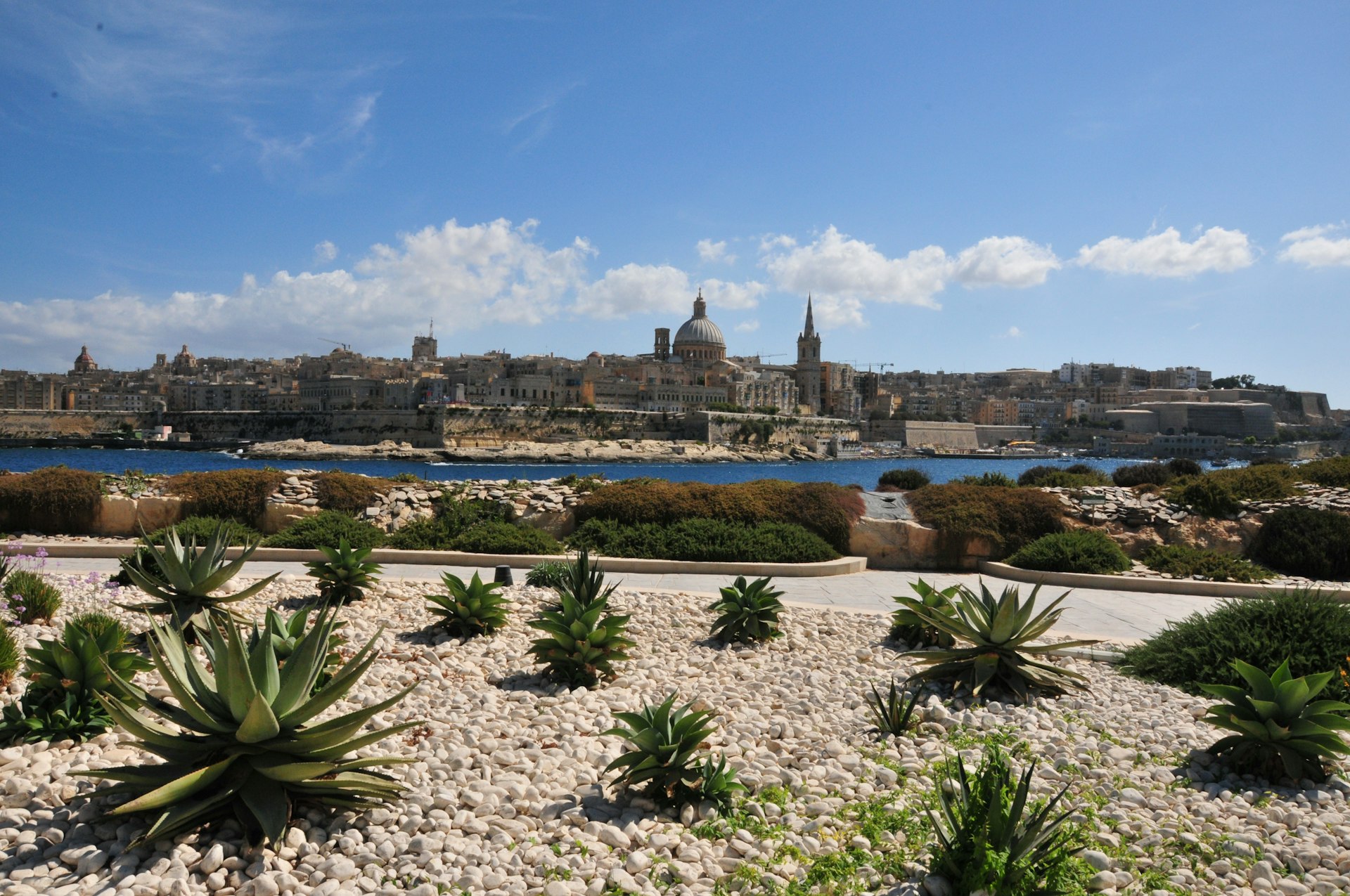
Winter unveils Malta's sophisticated side with mild temperatures of 14-18°C, perfect for exploring the UNESCO-listed city of Valletta without summer's oppressive heat. February's Carnival explodes with colorful parades and masked revelry, while December's festive markets add a magical ambiance to the islands' historic streets. Lowest accommodation rates and fewer visitors make this ideal for those seeking authentic experiences, with cozy cafés and restaurants offering respite from occasional winter showers while maintaining the islands' characteristic Mediterranean warmth.
Frequently Asked Questions — When to Visit Malta
Frequently Asked Questions
What is the best month to visit Malta?
May and October are the best months to visit Malta. Both offer temperatures of 22–24°C — warm enough for beach days and comfortable outdoor dining, cool enough for extended sightseeing in Valletta and the ancient temples. Visitor numbers are significantly lower than July and August, beaches are uncrowded, and hotel rates are 20–40% below peak season. The sea is warm enough for swimming from May through November.
Is Malta hot in October?
October is one of Malta's best months — temperatures average 23–25°C in early October dropping to 20–22°C by month's end. The sea remains warm at 24–25°C, ideal for swimming. Rain increases in October but typically as short sharp showers rather than sustained periods. Crowds thin dramatically from September, meaning popular attractions like the Blue Lagoon and Valletta's museums are noticeably quieter. October offers excellent value with lower hotel rates.
What is Malta like in winter?
Malta's winter from December to February is mild and rewarding for non-beach travel. Temperatures average 14–18°C — cold enough for a coat in the evening but warm enough for outdoor café dining at lunchtime. Valletta is at its quietest and most atmospheric, with locals reclaiming the streets from tourist traffic. Malta Carnival in February brings colour and celebration. Hotel rates reach their annual minimum, making winter the best value time to visit.
Is Malta good in April?
April is excellent in Malta. The island is at its most verdant after winter rains, with wildflowers carpeting the countryside and fields. Temperatures average 18–22°C — ideal for walking, sightseeing, and early beach days. Easter Week brings processions and religious celebrations of genuine cultural significance. April crowds are manageable and hotel rates remain well below summer peak. Sea temperatures reach 18–19°C in April — cool but swimmable for those prepared.
When should I avoid Malta?
July and August present the most challenging conditions for first-time visitors. Temperatures regularly reach 32–35°C with high humidity, making extended outdoor sightseeing uncomfortable in the middle of the day. The Blue Lagoon becomes extremely crowded with waiting times for boats. Valletta and major attractions are packed by 10am. Hotel rates and flight prices peak significantly. If visiting in summer, plan sightseeing for early morning and late afternoon, rest during the hottest hours, and book everything well in advance.
FLY DIRECT FROM LONDON
Plan Your Malta Holiday with KM Malta Airlines
KM Malta Airlines flies direct from London Heathrow and London Gatwick year-round. Approximately 3 hours. ATOL-protected packages available.
Search Malta Holiday Packages