Why Malta Is the Mediterranean's Best-Kept Secret
Malta is one of those rare destinations that exceeds every expectation you bring to it, and most British travellers arrive with surprisingly modest ones. Around 3 hours 20 minutes from London yet genuinely Mediterranean. Smaller than the Isle of Wight yet home to three UNESCO World Heritage Sites. An island that has absorbed Phoenicians, Romans, Arabs, Knights of St John, Napoleon, and the British across 7,000 years of continuous habitation, and somehow fused them all into something entirely, distinctively its own. For British travellers seeking quality, culture, and value in one destination, Malta is the Mediterranean's smartest choice.
The result is an island of staggering depth. Golden limestone cities that glow at sunset. A cuisine that fuses North African spice with Italian soul. And a people so naturally warm and fluent in English that the island never feels foreign, even on a first visit.
For British travellers, Malta delivers the sweet spot that most Mediterranean destinations have long since priced themselves out of: genuine quality without the premium. Around 3 hours 20 minutes on a direct KM Malta Airlines flight from London. No language barriers, English has been an official language since 1964 and is spoken natively across the island. No currency confusion, Malta adopted the euro in 2008 as an EU member state. A climate that delivers proper Mediterranean sunshine from April through November, with warm seas for swimming from about June to October.
And whether you are after baroque cities, hidden coves, world-class diving, exceptional food, energetic nightlife, or simply doing nothing particularly well in the sun, Malta delivers all of it, simultaneously, and makes it look effortless.
6 Reasons to Visit Malta
What makes Malta special? Here's why so many visitors return.
300+ Days of Sunshine
Malta is one of Europe's sunniest destinations with over 300 days of sunshine annually. Even winter months average 15°C with plenty of clear days, significantly milder and sunnier than the UK. Summer temperatures reach 32°C, 35°C, making Malta ideal for beach holidays, diving, and outdoor exploration from April through November.
Around 3 hours 20 minutes from London
KM Malta Airlines operates direct flights from London Gatwick and Heathrow to Malta International Airport year-round, with flight times of around 3 hours 20 minutes. Multiple daily departures mean convenient scheduling. No visa is required for UK citizens, passport control is straightforward and arrivals into Malta are efficient.
100% English Speaking
English is an official language of Malta alongside Maltese, used in government, education, business, and daily life. Everyone speaks it fluently, from taxi drivers to waiters to doctors. Road signs, menus, and museum displays are all in English. For British families and older travellers, this eliminates language barriers entirely.
15-25% Cheaper
The euro makes budgeting straightforward with no exchange rate confusion or unfamiliar currency.
Safe & Stable
Malta is generally a safe destination for visitors. The island is politically stable, economically prosperous, and has been an EU member since 2004. Streets are safe to walk at night, healthcare is excellent, and the Maltese attitude towards visitors is genuinely welcoming.
Rich History
Malta's history spans 7,000 years of continuous human habitation. The island contains three UNESCO World Heritage Sites: the baroque city of Valletta, the underground Hal Saflieni Hypogeum, and the Megalithic Temples, the oldest freestanding stone structures on earth, predating Stonehenge and the Egyptian pyramids. The Knights of St John ruled Malta for 268 years, Napoleon occupied it briefly in 1798, and the British governed from 1800 until independence in 1964.
What Makes Malta Different from Other Mediterranean Destinations?
Malta occupies a unique position in the Mediterranean that no other destination replicates. Unlike Greece, it is English-speaking as a first official language, not widely spoken as a second language, but natively embedded in daily life since British rule established English in education, law, and government. Unlike Spain or Portugal, Malta is one hour ahead of the UK all year. Unlike the Amalfi Coast or Santorini, it is accessible on a direct flight of around 3 hours 20 minutes from London, no connections, no complexity.
Physically, Malta is extraordinary in its density. The entire island is 27 kilometres long and 14 kilometres wide, smaller than the Isle of Wight, yet contains three UNESCO World Heritage Sites, 365 churches, the oldest freestanding stone structures on earth, and a coastline that ranges from the sandy family beach at Mellieħa Bay to the legendary turquoise waters of the Blue Lagoon at Comino. No destination is more than 45 minutes from any hotel base, meaning families and couples can explore the entire island without the logistics that Greek island-hopping or Spanish coastal touring require.
The island receives 2.5 million visitors annually, testament to a destination that delivers consistently across every measure British travellers care about: weather, safety, food, culture, value, and accessibility. For a Mediterranean holiday that combines genuine depth with effortless logistics, Malta is the destination most British travellers discover too late, and then return to repeatedly.
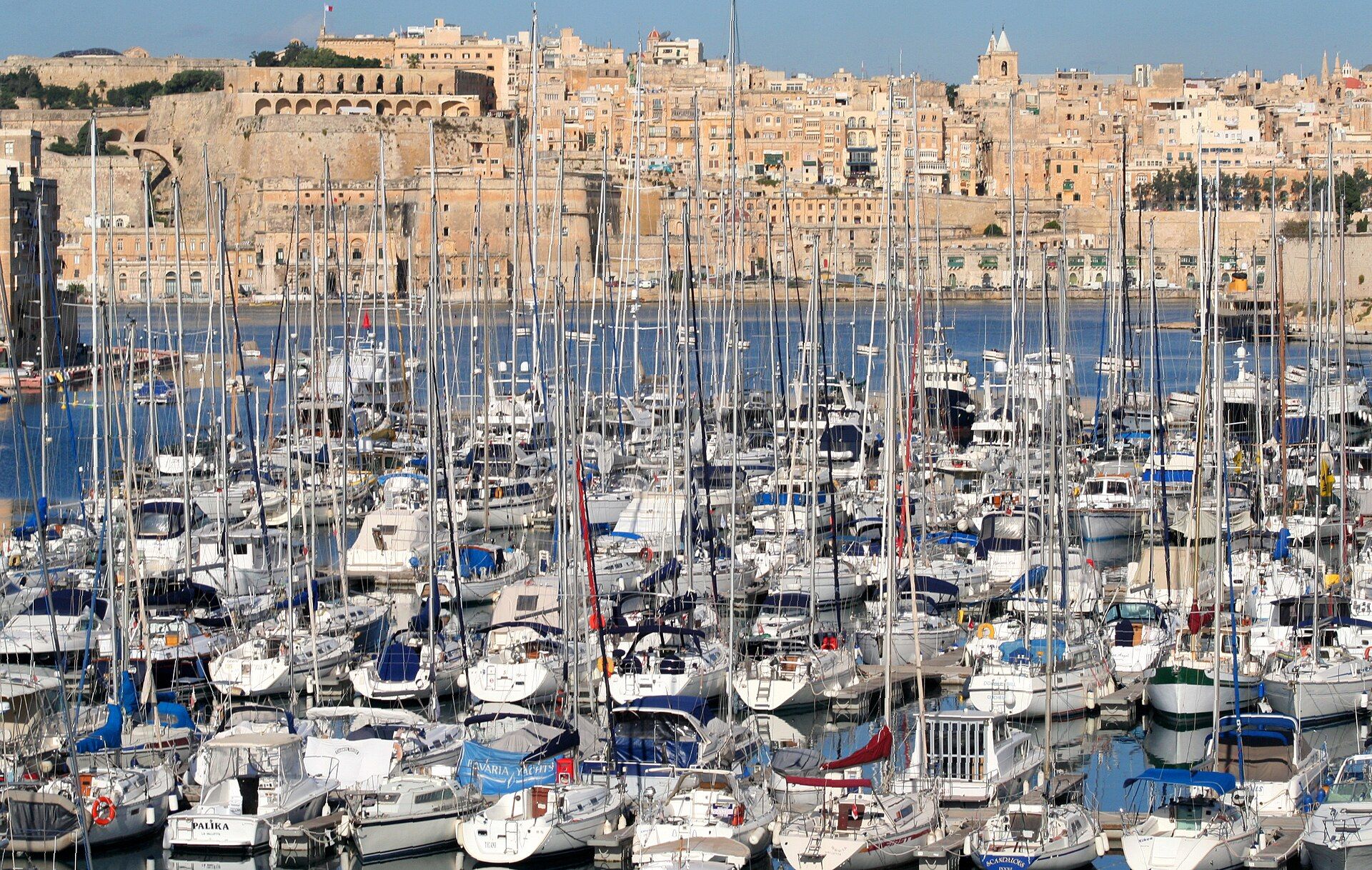
Getting to Malta from the UK
KM Malta Airlines Malta's national carrier, operates direct flights from London Gatwick and London Heathrow. Flight time is around 3 hours 20 minutes.
Award-winning service and comfort
The official UK holiday website of KM Malta Airlines
Convenient schedules year-round
Flight Information
What Can You Actually Do in Malta?
The question with Malta is not "what is there to do?" but rather "how do I choose between everything Malta offers?" Here is what makes the island genuinely distinctive.
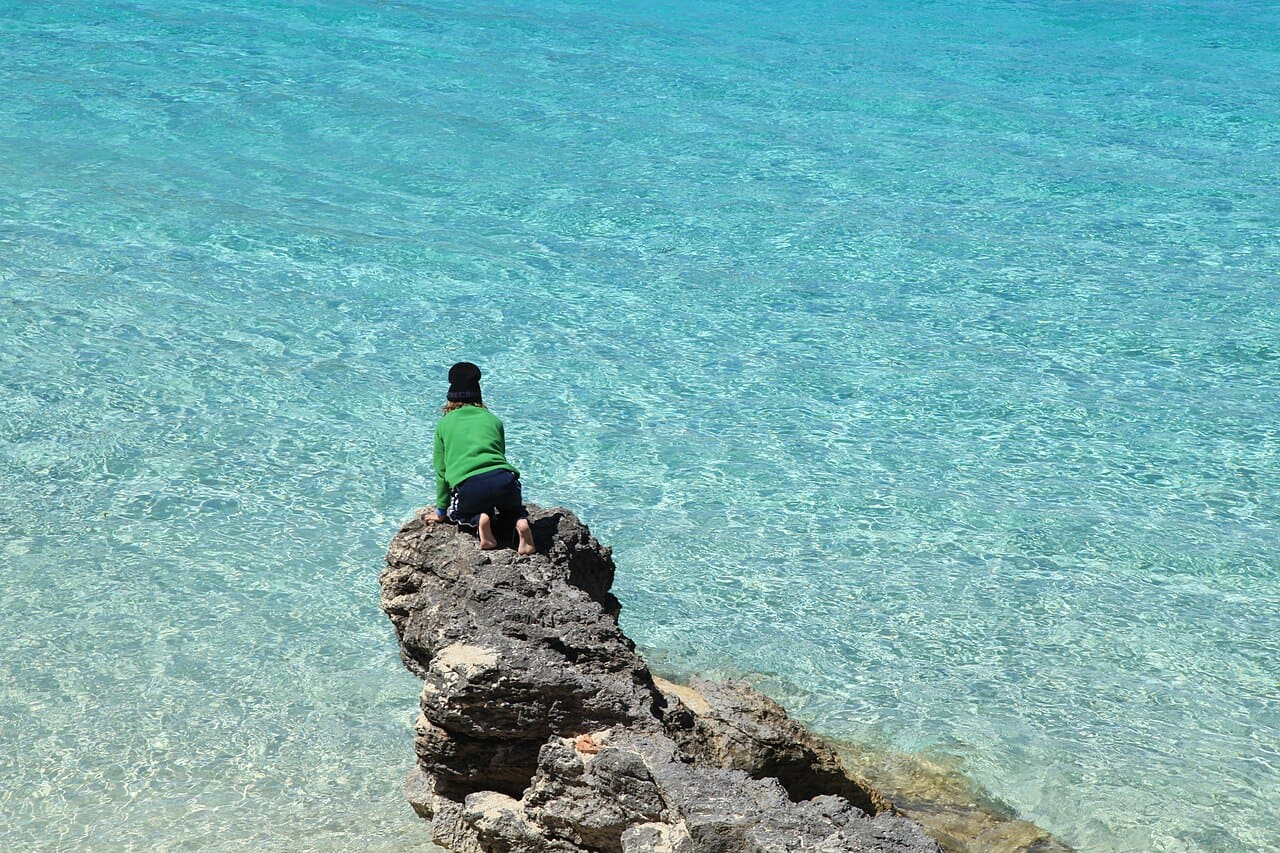
Beaches & Crystal-Clear Water
Malta's coastline offers some of the clearest water in the Mediterranean, visibility regularly exceeding 30 metres makes the island one of Europe's premier diving and snorkelling destinations. The Blue Lagoon at Comino is the most photographed location in Malta for good reason: turquoise water of extraordinary clarity above white sand. Mellieħa Bay offers Malta's longest sandy beach with shallow calm water safe for young children. Golden Bay, Għajn Tuffieħa, and the southern coast's rocky coves provide variety for swimmers and snorkellers of all levels.
Explore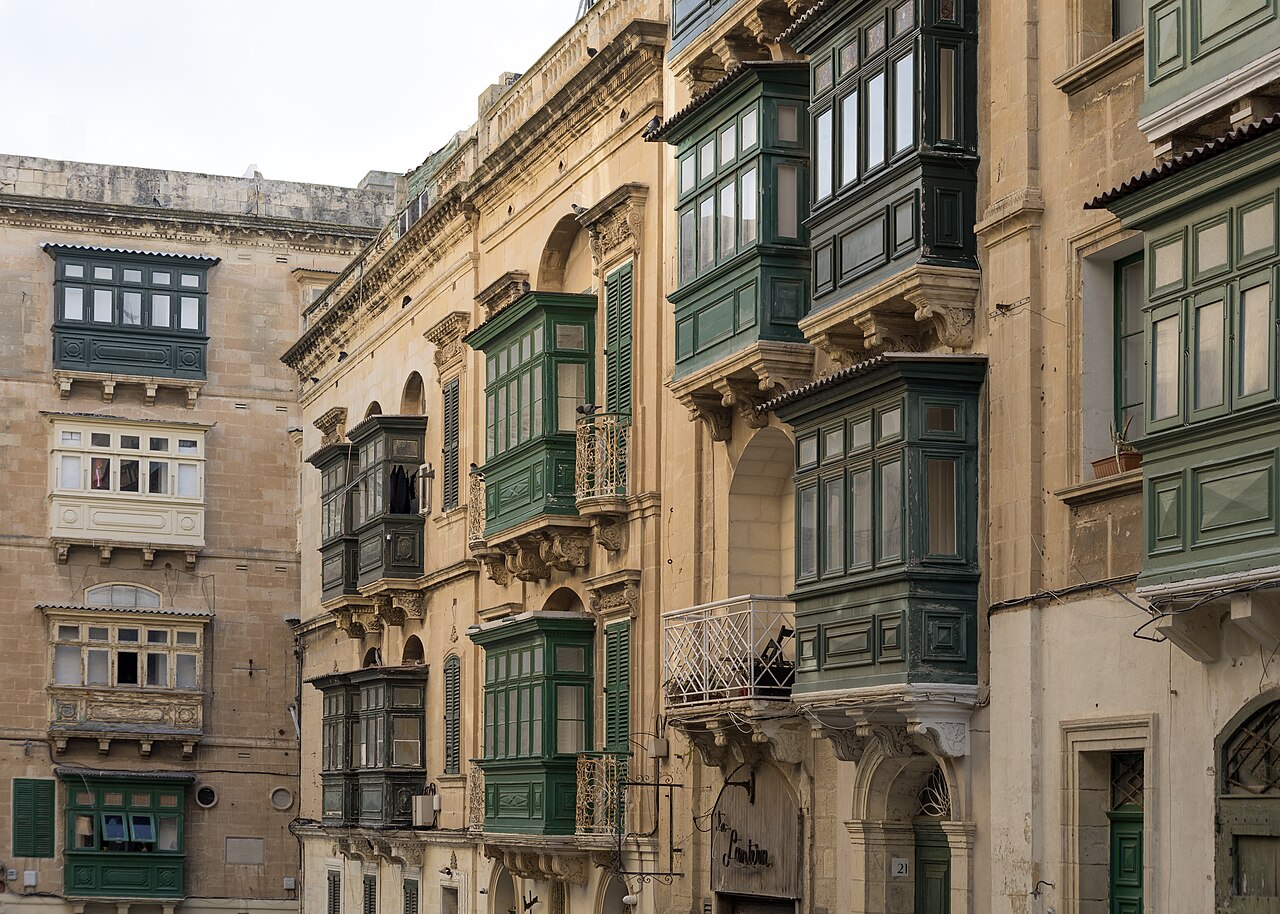
7,000 Years of History & UNESCO Sites
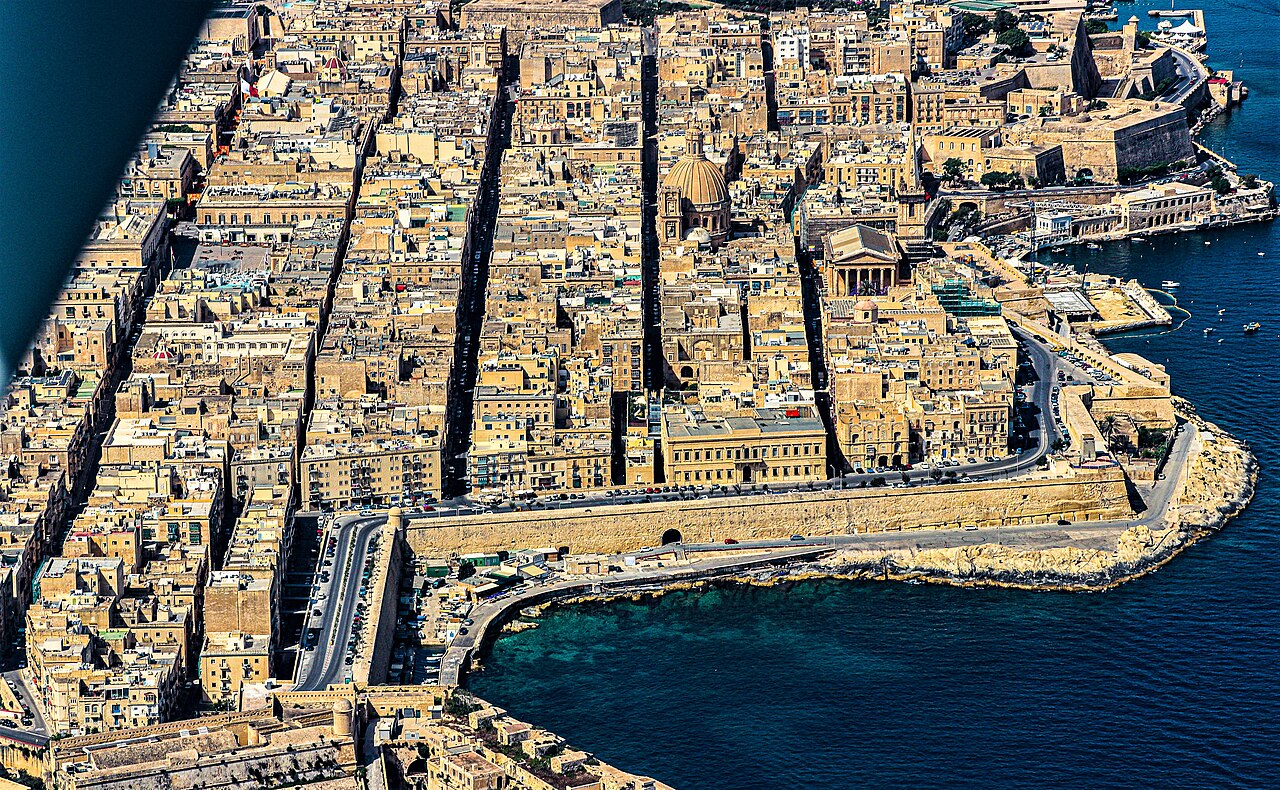
Valletta, Europe's smallest capital city and a UNESCO World Heritage Site, is a baroque masterpiece built by the Knights of St John following the Great Siege of 1565. The ancient walled city of Mdina, perched on a hilltop in Malta's interior, has barely changed since medieval times and empties of tourists after 6pm to become one of Europe's most atmospheric evening destinations. The Megalithic Temples, older than Stonehenge and the pyramids, and the underground Hal Saflieni Hypogeum showcase a prehistoric civilisation that flourished 5,000 years ago. Malta's history spans Phoenicians, Romans, Arabs, Knights, Napoleon, and the British, all absorbed into an island culture entirely its own.
Explore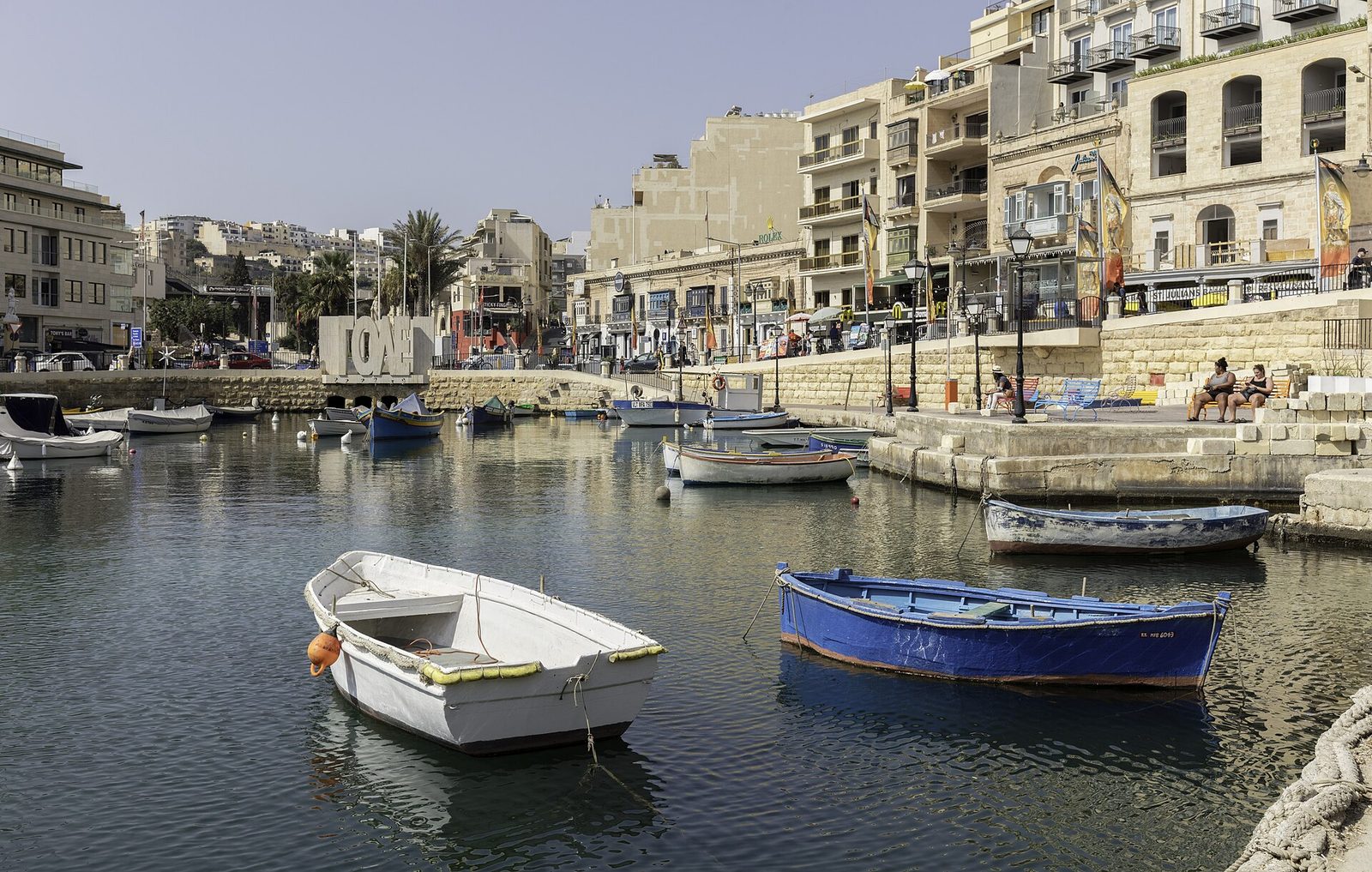
Exceptional Food & Mediterranean Nightlife
Maltese cuisine fuses Italian, North African, and Middle Eastern influences into something distinctive: rabbit stew, ftira bread, pastizzi pastries, and seafood caught that morning and grilled that evening. Valletta's restaurant scene has transformed over the past decade, Michelin-recommended restaurants sit in baroque palazzos serving modern Mediterranean cuisine at prices significantly lower than London equivalents. St Julian's around Spinola Bay offers Malta's most active nightlife and bar scene, while the Sliema waterfront provides a more relaxed evening promenade. Fresh seafood, Italian influence, local specialities, and genuine warmth combine to create a food culture that surprises visitors consistently.
Explore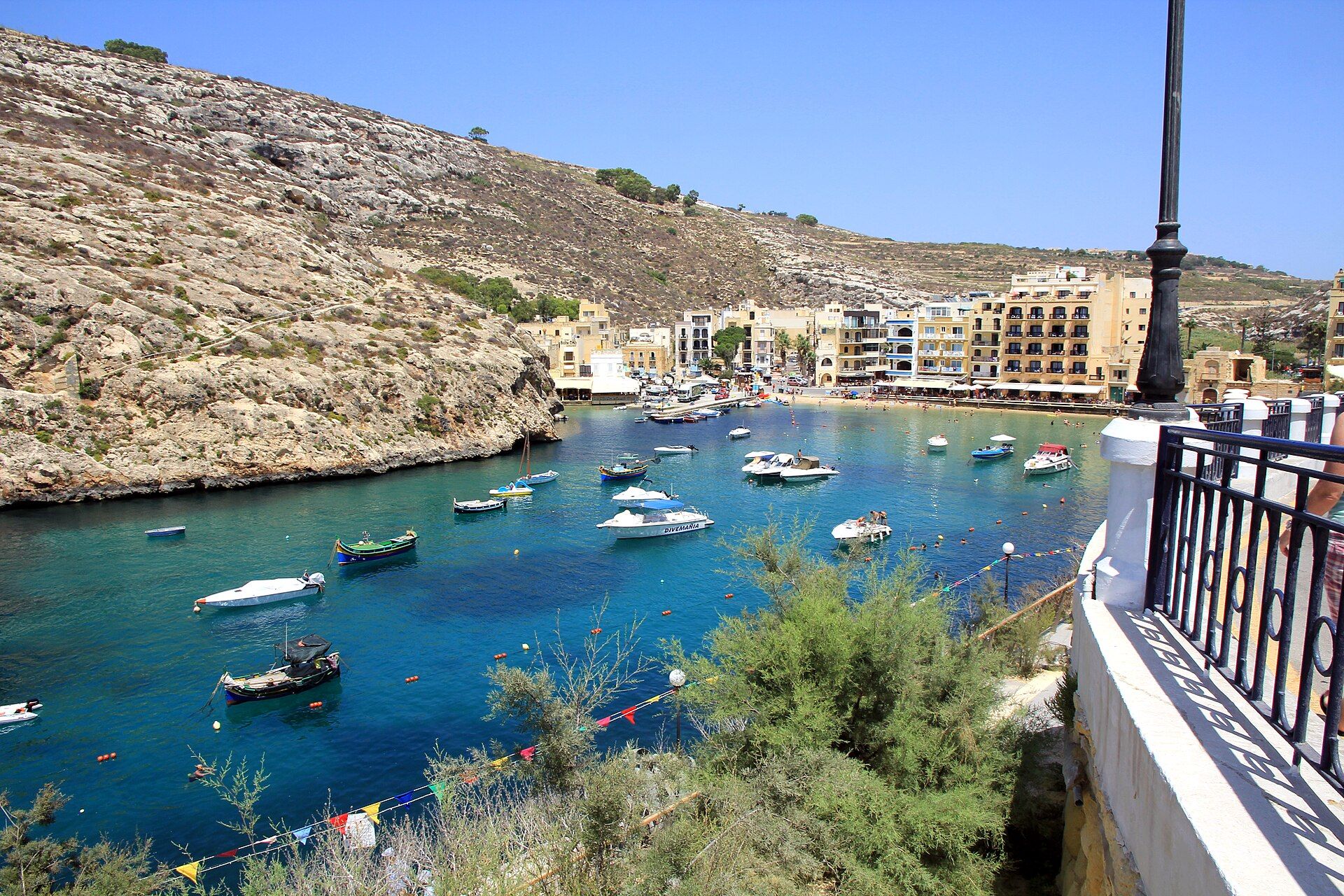
Three Islands, Three Distinct Characters
Malta, Gozo, and Comino form an archipelago of three inhabited islands, each with its own distinct character. Malta is the main island, home to Valletta, the international airport, and most hotels. Gozo, reached by a 25-minute ferry from Ċirkewwa, is greener, quieter, and slower, an agricultural island of stone farmhouses, dramatic cliffs, and the kind of pace that reminds you what Mediterranean holidays used to feel like. Comino, the smallest island, is virtually uninhabited and home to the Blue Lagoon. Together, the three islands offer variety within a compact area that makes exploration straightforward and rewarding.
ExploreWho is Malta For?
Malta appeals to many different types of travellers. Here's who'll love it most.
Couples
Valletta's baroque palaces and boutique hotels, candlelit dinners in Mdina's medieval streets, private boat charters to the Blue Lagoon at dawn, and Gozo's luxury farmhouses with private pools combine to create one of Europe's most underrated romantic destinations. Malta offers the full couples experience, from sophisticated city romance to complete rural escape, at prices 30 to 40% lower than Santorini or the Amalfi Coast.
Families
Malta is one of the best family holiday destinations in the Mediterranean for British families. English is an official language eliminating all barriers, Malta ranks in the top five safest European countries, the beaches at Mellieħa Bay and Golden Bay offer safe shallow swimming for young children, and the history, Knights of St John, underground temples, the George Cross island story, captivates teenagers who normally roll their eyes at museums.
History Buffs
Three UNESCO World Heritage Sites, 7,000 years of continuous history, temples older than the pyramids, a baroque capital city built by warrior monks, a wartime story that earned the George Cross, and museums that span Phoenician, Roman, Arab, and British rule. For anyone fascinated by European history, Malta offers depth that few Mediterranean destinations can match, concentrated in an area small enough to explore thoroughly in a single week.
Divers
Some of the Mediterranean's clearest water with good visibility, dramatic limestone caves and caverns, numerous wrecks including deliberately scavenged WWII aircraft and ships, warm sea temperatures from May through November, and dive schools across the island operating to PADI and BSAC standards. Malta consistently ranks among Europe's top dive destinations.
Foodies
A cuisine that fuses Italian, North African, and British colonial influences into something distinctive. Fresh seafood caught daily, traditional Maltese rabbit stew, pastizzi pastries sold from hole-in-the-wall bakeries, Italian-influenced restaurants, and a Valletta fine dining scene that has genuinely surprised the European food press. Wine is affordable, local specialities are everywhere, and the Maltese welcome around food is warm and genuine.
Business Travellers
Malta offers an EU base with English as an official language, a 5% effective corporate tax rate through the refund mechanism, excellent international connectivity through Malta International Airport, a thriving financial services and iGaming sector, political stability, and a business culture that operates in English with British legal traditions. For entrepreneurs, digital nomads, and businesses seeking a Mediterranean EU base, Malta delivers the infrastructure without the bureaucracy.
Why Do So Many British Travellers Return to Malta?
Many British visitors to Malta come back again and again. Santorini, Mykonos, and the Amalfi Coast draw enormous numbers of first-time visitors attracted by social media and bucket lists, but relatively few return repeatedly. Malta does the opposite. It exceeds expectations so consistently that couples who visit for a romantic break return with their children. Families who visit once return every two years. Retirees winter in Malta annually.
The reason is simple: Malta delivers genuine quality across every dimension that matters. The 300 days of annual sunshine are measurable and reliable. The direct flight of around 3 hours 20 minutes from London makes weekend breaks viable and family holidays straightforward. The English language means grandparents travel confidently and teenagers can navigate independently. The safety allows parents to relax and couples to walk Valletta's streets at midnight without concern. The food consistently surprises. The history genuinely fascinates. And the value, 15 to 25% cheaper than equivalent quality in western Europe, means your money stretches further without compromising on experience.
For British travellers who have done Greece, Spain, Portugal, and Italy, and are looking for something genuinely different without sacrificing the reliability that Mediterranean holidays demand, Malta is the destination that should have been at the top of the list from the beginning.
Is Malta worth visiting from the UK?
Yes, Malta is one of the best-value, highest-quality Mediterranean destinations accessible from the UK. It offers 300 days of annual sunshine, three UNESCO World Heritage Sites, world-class diving, safe family beaches, and exceptional food at prices 15 to 25% cheaper than equivalent quality in western Europe. The direct flight of around 3 hours 20 minutes with KM Malta Airlines from London, the English official language, and Malta's EU membership eliminate the barriers that make other Mediterranean destinations more complex for British travellers.
What makes Malta different from Greece or Spain?
Malta's key differentiators are: (1) English is an official language spoken natively, not a second language, (2) the island's compact size means no destination is more than 45 minutes away, eliminating inter-island logistics, (3) Malta contains three UNESCO World Heritage Sites in a smaller area than the Isle of Wight, and (4) prices are 15 to 25% lower than comparable quality in Greece or Spain. For British families and older travellers, the English language and cultural familiarity make Malta significantly easier to navigate.
Is Malta too small for a week's holiday?
No, Malta's small physical size (316 square kilometres) works to its advantage. The island contains enough to occupy two full weeks: Valletta requires two to three days to explore properly, Gozo is a distinct island experience reached by a 25-minute ferry, the Blue Lagoon, Mdina, Marsaxlokk fishing village, beach time at Mellieħa Bay or Golden Bay, diving or snorkelling, and the prehistoric temples and museums all combine to create genuine variety. The compact size means you spend time experiencing rather than travelling between destinations.
When is the best time to visit Malta?
The best time to visit Malta from the UK is April to May or September to October, the shoulder seasons offer warm temperatures (22°C, 27°C), swimmable seas (20°C, 26°C), significantly lower prices than peak summer, and fewer crowds at major attractions like the Blue Lagoon. July and August offer guaranteed heat (32°C, 35°C) and are excellent for beach holidays but are more crowded and expensive. Direct KM Malta Airlines flights operate from London year-round.
Is Malta good for families with children?
Yes, Malta is one of the best Mediterranean family destinations for British families. English is an official language, Malta ranks in the top five safest European countries, Mellieħa Bay offers Malta's longest sandy beach with shallow safe water for young children, and the combination of beaches, history (Knights of St John, underground temples), and activities (Blue Lagoon, Popeye Village, Malta Aquarium) works for all ages simultaneously. The flight of around 3 hours 20 minutes is short enough for young children to manage comfortably.
Ready to Discover Malta?
Book your trip with KM Malta Airlines. Direct flights from London Gatwick and Heathrow.
Explore Malta
Valletta Guide
Europe's smallest capital and a UNESCO World Heritage baroque masterpiece, grand palazzos, harbour views, and streets built by the Knights of St John.
Best Beaches
From the famous Blue Lagoon to Mellieħa Bay's long sandy beach and hidden southern coves, Malta's coastline offers clarity exceeding 30 metres.
Sliema & St Julian's
Malta's most active resort area, waterfront promenade dining, boutique hotels, and the island's best nightlife around Spinola Bay.
Gozo Island
Malta's greener, quieter sister island, stone farmhouses, dramatic cliffs, and the slow Mediterranean pace that the main island lost decades ago.
Continue Exploring Malta
Malta Holiday Ideas
Everything you need to plan the perfect Malta trip.
Read Guide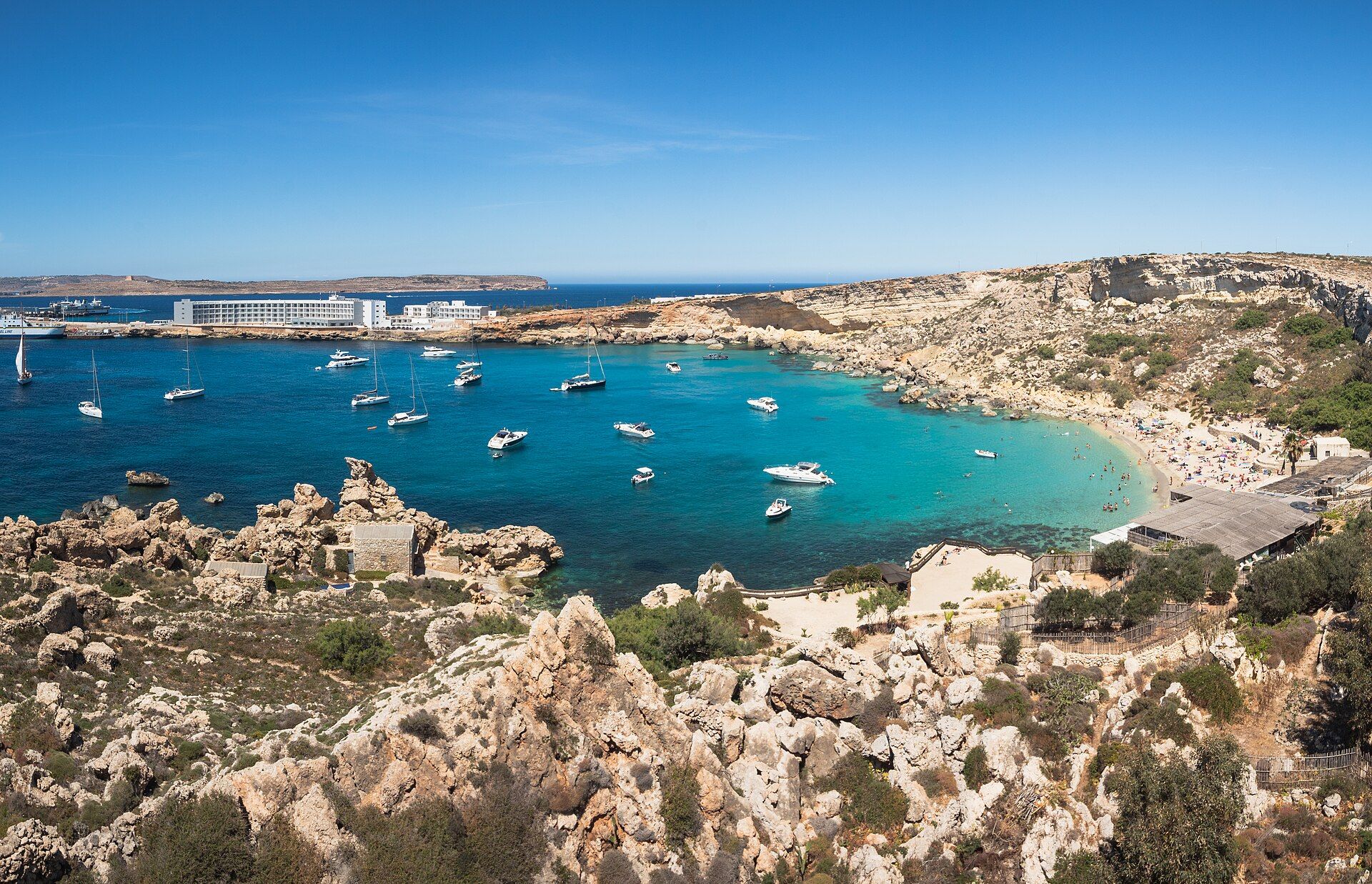
Best Time to Visit Malta
Month-by-month guide to Malta's weather, events, and best travel seasons.
Read Guide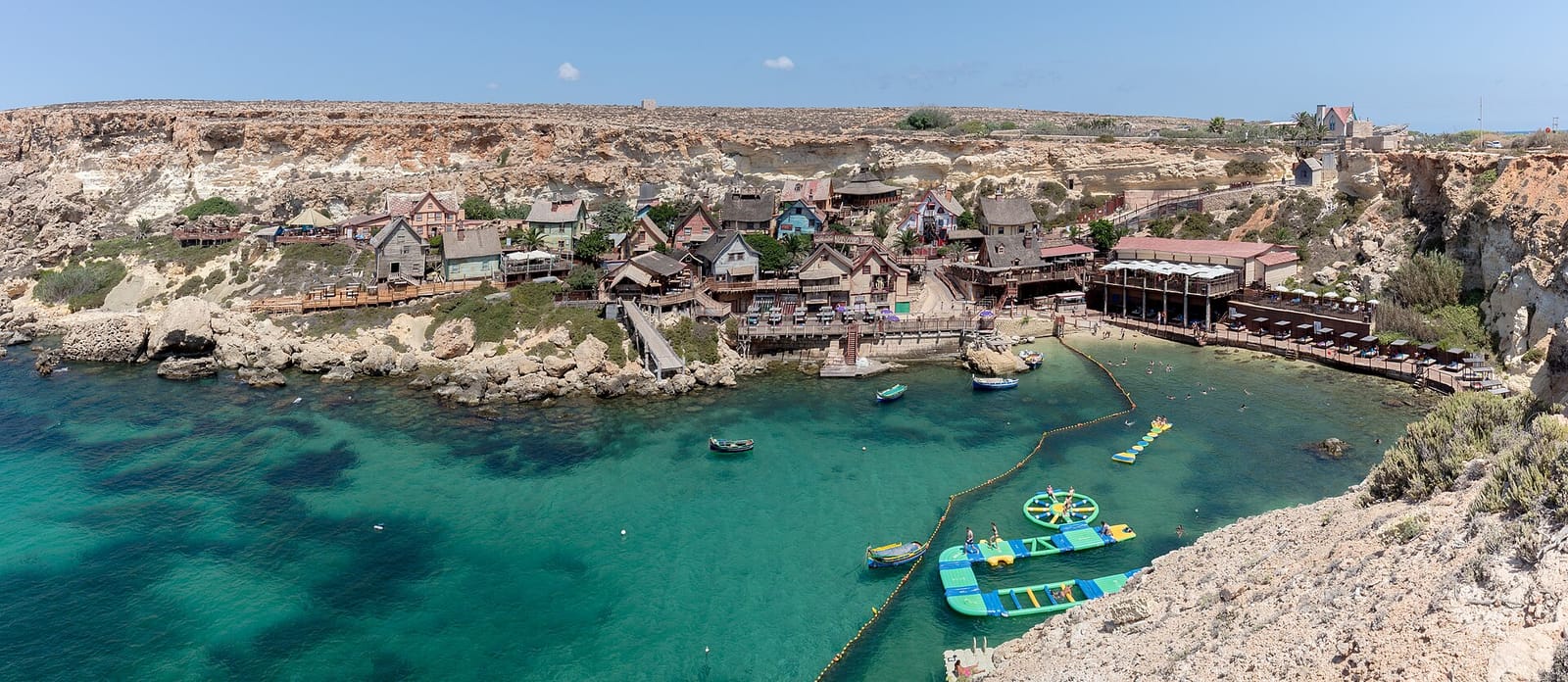
Malta for Families
Safe beaches, English-speaking, and fascinating for children of all ages.
Read GuideWritten by the VisitMalta.co.uk editorial team, the official UK holiday website of KM Malta Airlines