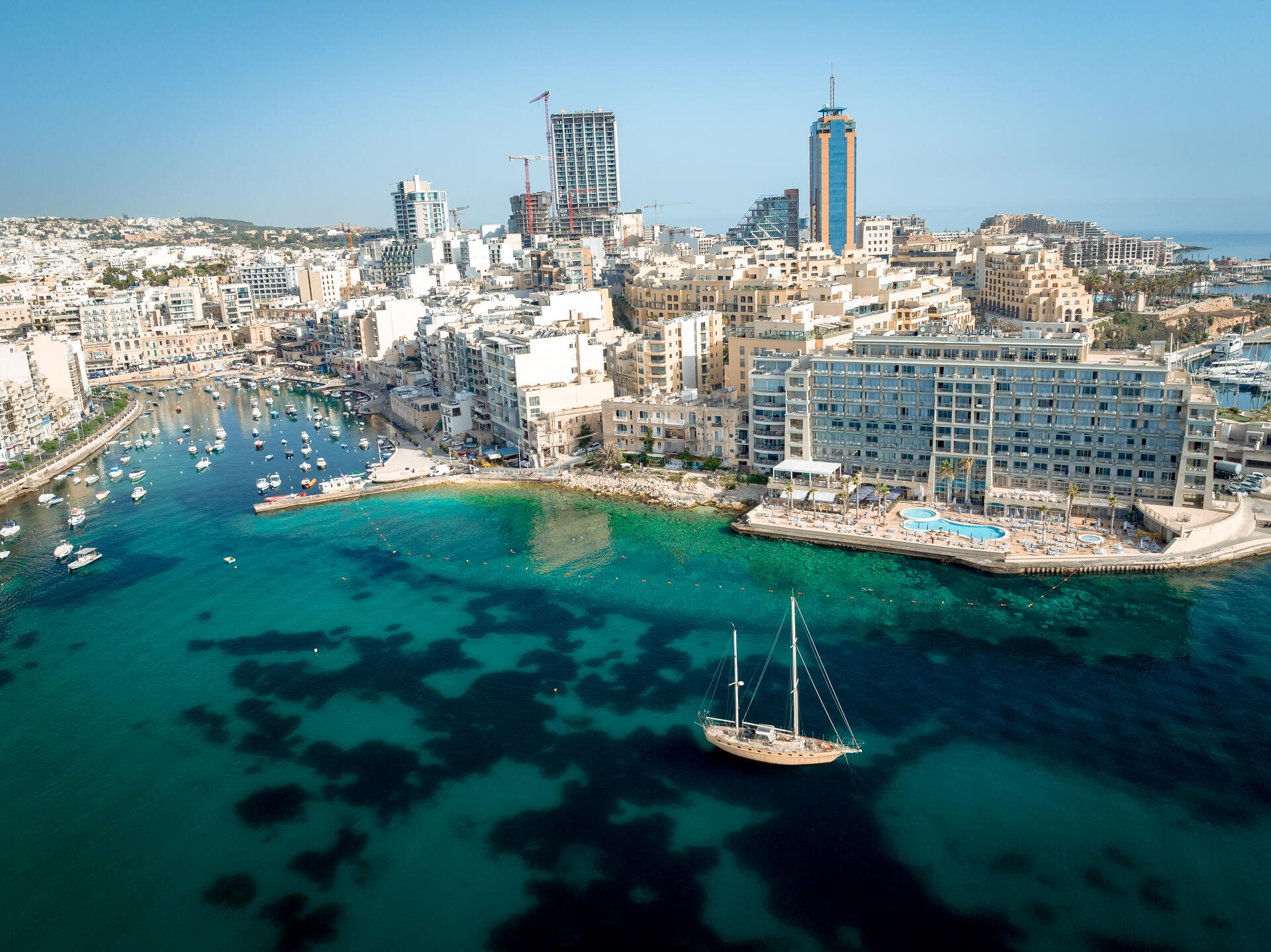
Business and relocation
Invest in Malta
How to set up a company, how Malta taxes it, where UK nationals stand on residence, and who to ask for advice
What do you want to do?
Choose a starting point. Each box opens a full guide.
Set up a company
Steps, documents and timing for a Malta private limited company.
Know the costs
Registry fees and what else to budget for.
Find a business
Malta business directory, 116 categories.
Talk to CLA Malta
Our corporate partner for formation, accounts and tax enquiries.
Understand the tax
The 35 percent rate, shareholder refunds and structures.
Tax for UK owners
What changes when a UK owner uses a Malta company.
Move to Malta
Residence routes, where to live and what to arrange first.
Move a UK business
Relocating or extending a UK business into Malta.
Check residence rules
Permits and programmes for UK nationals, with the official sources.
Open a bank account
How business banking works and what banks ask for.
Plan with our tools
Company planning tools to test your set up.
Visit first
Flight and hotel packages for a fact-finding trip.
Start a business
Tax and structure
UK business and relocation
Headline company tax
35%
Effective rate after the 6/7 refund
5%
Typical time to certificate
About 24 hours
Business directory
116 categories
Facts checked 28 October 2026 against the sources listed at the foot of this page.
Investing in Malta in brief
Malta is an EU member with English as an official language, and a private limited company can be registered electronically, with the certificate typically issued within about a day of filing. Company profits are taxed at 35 percent, but shareholders can claim refunds that bring the effective rate down to 5 percent in the most common case. UK nationals who arrived after 2020 apply for residence under the non-EU rules. This page explains each step and points to the pages and advisers that can take you further.
Why businesses choose Malta
Malta is a small island state with a large international reputation for business services. It is a member of the European Union, it uses the euro, and English is one of its two official languages, so contracts, company documents and day to day business can be done in a language UK owners already work in. London is around 3 hours 20 minutes away by air, which makes a Malta office easy to visit and easy to manage.
Business is concentrated in a few places. Valletta holds the government and the regulators, while the St Julian's and Sliema waterfront holds many offices, apartments and hotels within a short walk of each other. If you are weighing a move, it helps to see both, and our Sliema and St Julian's guide explains how the area works day to day.
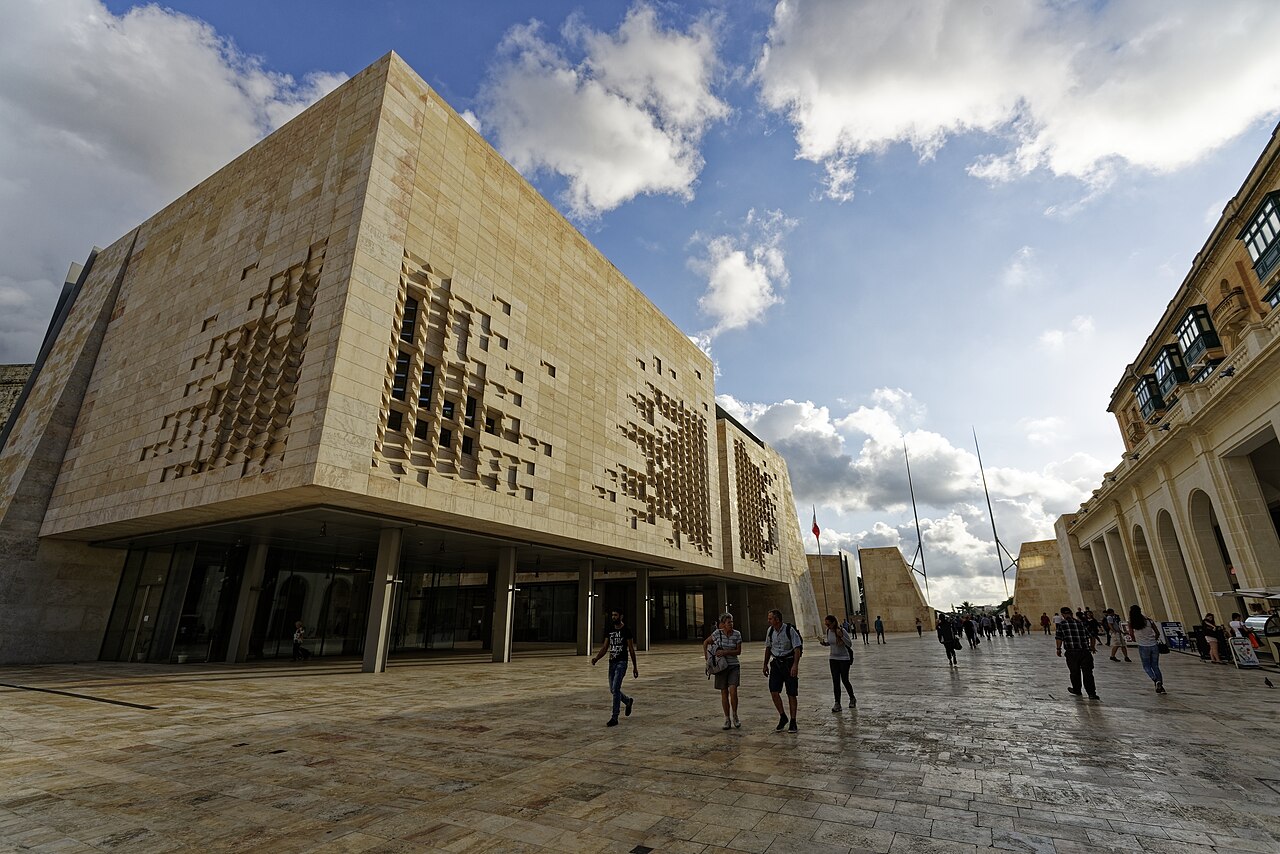
How Malta taxes a company
Malta charges company tax on profits at 35 percent, which is also its top rate of personal income tax. The system is built so that profits are not taxed twice. A shareholder who receives a dividend is treated as having already paid the tax the company paid, and if the shareholder's own tax on that dividend is lower, the excess credit is refunded. Non-resident shareholders can claim the refund too.
The refund rate depends on the kind of income behind the dividend. Where the six sevenths refund applies, the shareholder recovers six sevenths of the 35 percent, which leaves an effective rate of 5 percent. A five sevenths refund applies to passive interest and royalties and to dividends from certain holdings, leaving an effective 10 percent. A two thirds refund applies where the company has claimed foreign tax relief, and a full refund applies in some participating holding cases.
These refunds are claimed by the shareholders after the company has paid its tax, so they are not automatic and they depend on the conditions being met. Our corporate tax refunds explained page and the corporate tax structure guide go through the mechanics, and the business and tax guides collect the rest. UK owners should also read the Malta tax guide for UK owners before deciding where the company and the owners will be taxed.
Setting up a Malta company, step by step
The steps below describe a private limited company, the usual choice for a small or medium business. They follow the figures published by a major professional services firm and are dated 28 October 2026, so check each one with the Malta Business Registry or an authorised provider before you file.
- Choose and reserve a name. The Registrar must approve the name, and a reservation is valid for three months. A private company's name ends in "private limited company", "limited" or "ltd".
- Draft the memorandum and articles. The memorandum covers the name, objects, share capital, subscribers, the first directors and the company secretary. The articles set the internal rules. A private company's documents must restrict share transfers and limit members to 50.
- Settle the share capital. The minimum authorised capital for a private company is 1,164.69 euros, and at least 20 percent of the issued capital must be paid up when the memorandum is signed, with proof of payment sent to the Registrar.
- File electronically. The documents go to the Malta Business Registry online, and the certificate of incorporation is typically issued within about 24 hours of submission.
- Pay the fees. The registration fee starts at 100 euros and the annual fee at 85 euros, both rising with authorised share capital.
- Keep the records. The company keeps its registers of members and directors, files an annual return and files audited financial statements. Late filing can bring penalties.
Around those steps sit the practical ones: opening a bank account, registering with the tax authorities and meeting the substance rules. Our register a company in Malta guide and the Malta company process page lay out the order, the formation costs page lists what to budget, and business banking in Malta explains the account step, which has its own checks and its own timetable.
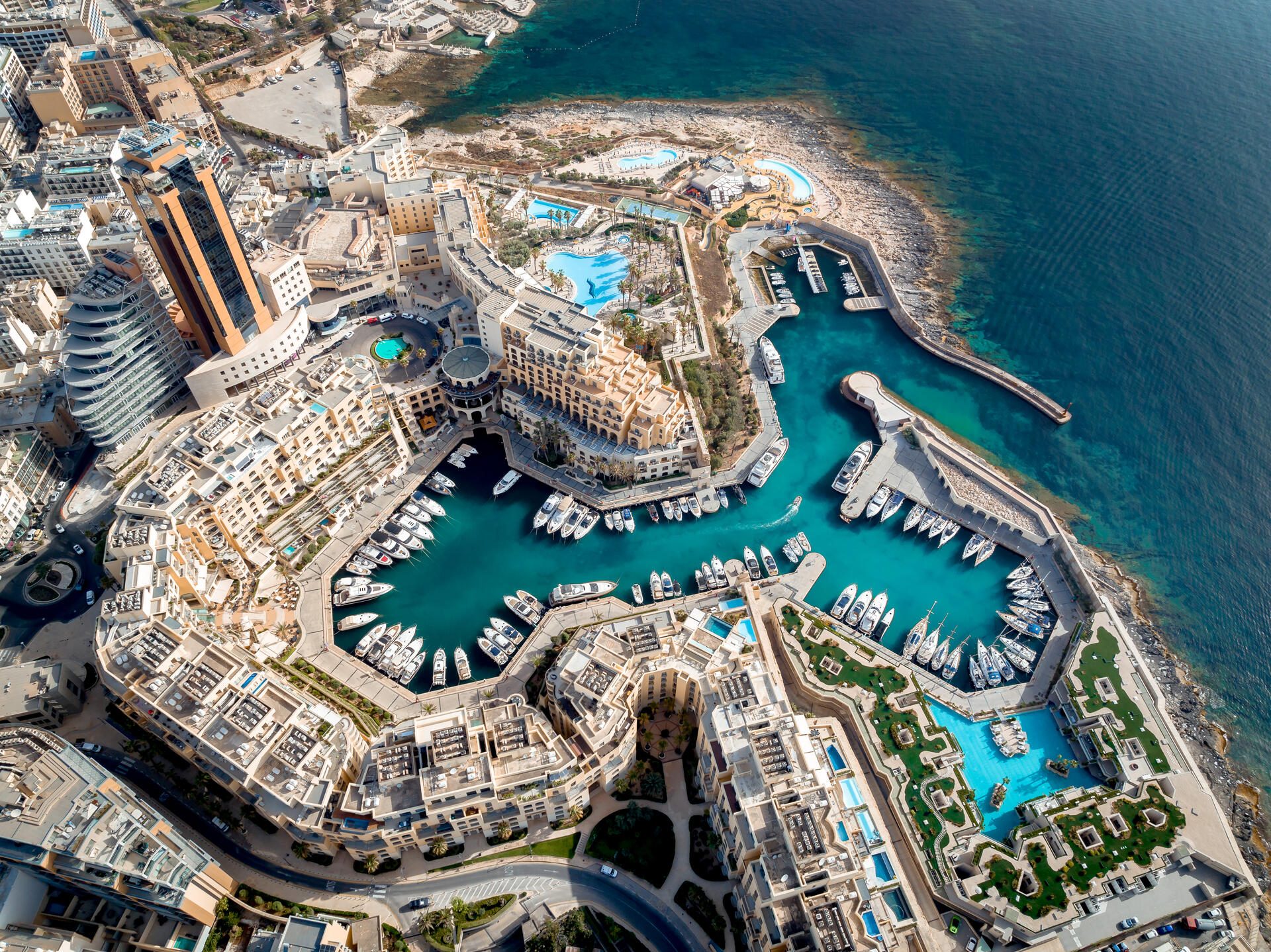
Finding advisers you can check
Setting up a company is a regulated activity, so who you instruct matters. CLA Malta is our exclusive featured corporate services partner for company formation, administration, accounting and tax enquiries. The CLA Malta page explains how the partnership works, names the legal entity, and gives you an enquiry form. CLA Malta decides whether it can accept each client, confirms the scope and fees directly, and does not begin work simply because a form was sent.
If you want to compare firms, the Malta business directory lists businesses across 116 categories, including specialist accountancy, tax, payroll, audit and corporate services. Company service providers in Malta are authorised by the Malta Financial Services Authority, and the MFSA publishes information on them, so check current status and the exact contracting entity before you sign.
Moving to Malta from the UK
Residence is a separate question from company formation. Identità, the Maltese authority for residence and expatriates, says that UK nationals who were living in Malta under EU treaty rights before the end of the transition period on 31 December 2020 keep their rights under the Withdrawal Agreement and receive a residence document valid for 10 years. British nationals who were not residing in Malta by then can apply for the residence permits open to non-EU nationals, and each case is assessed individually. That page was last updated on 16 July 2025.
Identità also names programmes for people who meet specific conditions: the Global Residence Programme, the Malta Permanent Residence Programme and the Malta Retirement Programme, together with a Nomad Residence Permit for remote workers. Conditions and fees change, so we send you to the current rules rather than quote figures. Start with our Malta relocation guide, then read the residency guide, the HNWI residence programme page and the digital nomad guide for the route that fits. Owners moving a whole business should also read UK business relocation and UK businesses in Malta.
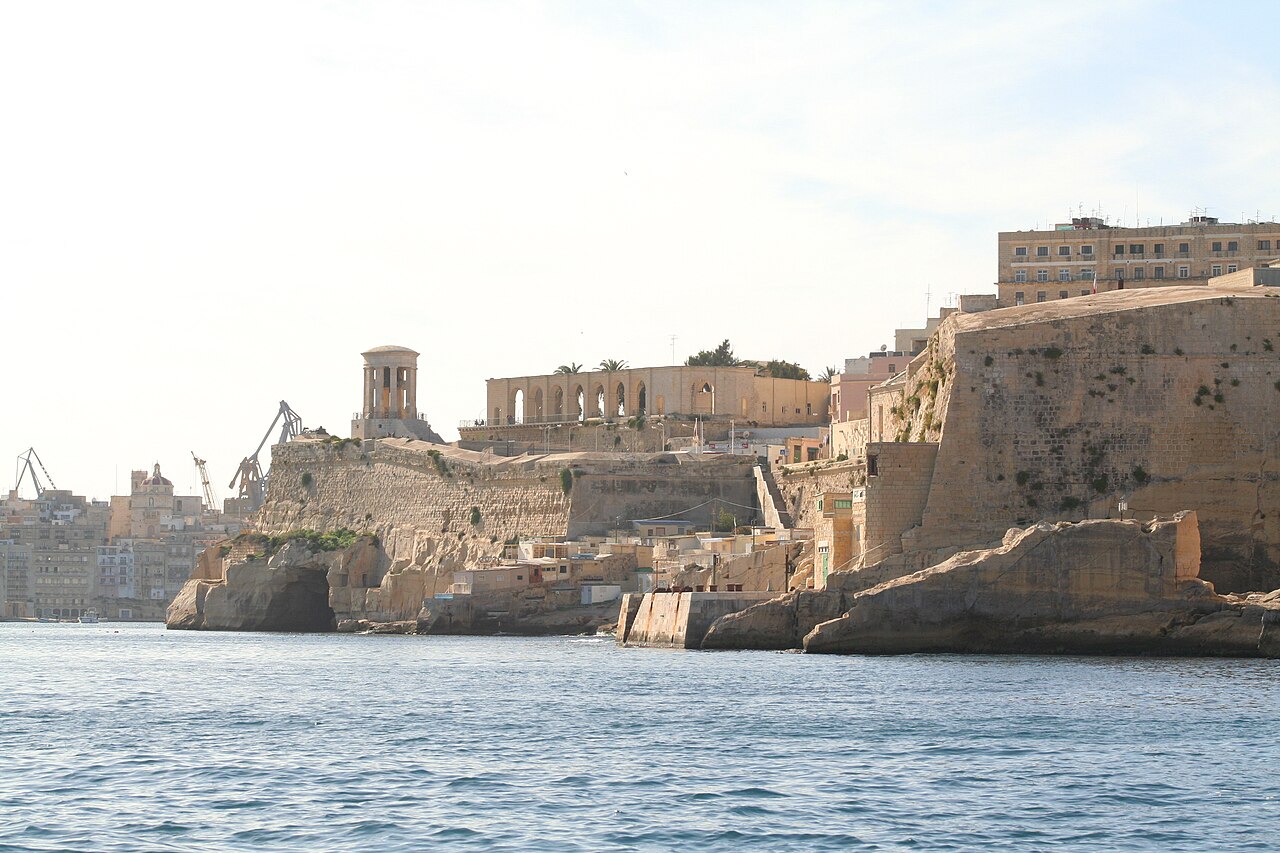
Sectors with an established base in Malta
Malta has regulators and professional firms for several sectors. Financial services are regulated by the Malta Financial Services Authority, and gambling by the Malta Gaming Authority. Our financial services in Malta page, the corporate services guide and the Malta gaming company page explain what each involves, and the IP company and trading company pages cover two common structures.
See Malta before you commit
Many owners fly out for a few days before they register anything, to meet advisers, visit the St Julian's and Valletta areas and get a feel for daily life. KM Malta Airlines flies from the UK, and you can compare flights to Malta and hotels in Malta, or look at flight and hotel packages that bring the two together. Our hotels in St Julian's are within walking distance of much of the business district.
Frequently Asked Questions
Can a UK resident set up a company in Malta?
Yes. A professional firm that sets up Malta companies states that there are no nationality or residency requirements for shareholders, and directors can be people or companies. What matters is that the company has real activity and management in Malta if it wants to rely on Maltese tax treatment, and that its owners understand how their own country taxes them. Many UK owners start by speaking to an authorised corporate services provider before filing anything. Our company formation guide and the company substance requirements page explain what the Maltese authorities look for.
How long does it take to register a company in Malta?
Once the name has been approved and the documents are filed electronically with the Malta Business Registry, the certificate of incorporation is typically issued within about 24 hours. A name reservation is valid for three months. The company then needs its own bank account, and banks carry out their own checks on the owners and the business, so allow separate time for that step. Our Malta company process page walks through the order of the steps.
How much does it cost to register a Malta company?
The Registry charges a registration fee that starts at 100 euros and rises with authorised share capital, to a maximum of 1,900 euros where the authorised capital exceeds 2.5 million euros. There is also an annual fee, from 85 euros up to 1,200 euros a year, again based on authorised share capital. Professional fees for a corporate services provider, accountancy and audit come on top and vary by provider and by how complex the structure is. Our company formation costs page sets out the main cost headings.
What is the minimum share capital for a Malta private limited company?
A private limited company needs a minimum authorised share capital of 1,164.69 euros, and at least 20 percent of the issued share capital must be paid up when the memorandum is signed. Proof of payment, such as a bank deposit slip, goes to the Registrar with the filing. A public limited company has higher figures. These are the figures published by a major professional firm; check them against the Malta Business Registry before you file.
What is Malta's corporate tax rate?
Malta taxes company profits at 35 percent, the same as its top personal rate. Malta then uses a full imputation system, which means shareholders receive a credit for the tax the company paid and can claim a refund of part of it. Where the six sevenths refund applies, the effective rate falls to 5 percent. A five sevenths refund, which applies to passive interest and royalties and some dividends, gives an effective 10 percent. Other refund rates apply where foreign tax relief is claimed.
Is the 5 percent effective tax rate automatic?
No. The company pays tax at 35 percent first, and the shareholders then claim the refund, so the benefit depends on the type of income, on the conditions being met and on the refund being claimed correctly. A refund also has to be fundable from the company cash position. Because the detail matters, take advice from a tax adviser or an authorised corporate services provider. Our corporate tax refunds explained page covers how the claims work.
Who has to be named when a Malta company is formed?
The memorandum of association names the first directors and the company secretary. A private limited company needs at least one director, a public company at least two, and directors can be natural persons or legal persons. A single-member private company is possible, but its constitutive documents must prohibit a body corporate from being a director. A private company is limited to 50 shareholders and its documents must restrict share transfers.
Do UK nationals need a permit to live in Malta?
It depends on when you arrived. Identità, the Maltese authority for residence, states that UK nationals who were living in Malta under EU treaty rights before the end of the transition period on 31 December 2020 keep their rights under the Withdrawal Agreement and receive a residence document valid for 10 years. British nationals who were not residing in Malta by then can apply for the residence permits available to non-EU nationals, which are assessed case by case. The page was last updated on 16 July 2025, so check it for any change.
Which residence programmes does Malta offer to people moving from the UK?
Identità names the Global Residence Programme, the Malta Permanent Residence Programme and the Malta Retirement Programme for people who meet the programme conditions, and the Nomad Residence Permit for remote workers. Thresholds, fees and conditions change, so we do not quote figures here; read the current rules on the Identità site or ask an authorised adviser. Our residency guide, HNWI residence programme page and digital nomad guide explain how the routes differ.
How do I find an accountant, tax adviser or corporate services firm in Malta?
Start with the VisitMalta business directory, which lists Malta businesses across 116 categories, including specialist accountancy, tax, payroll, audit and corporate services. CLA Malta is our exclusive featured corporate services partner for company formation, administration, accounting and tax enquiries, and you can send an enquiry through the form on its page. Whoever you choose, check their current regulatory status and the exact legal entity you would be contracting with before you engage them.
This page is general information, not legal, tax or financial advice. Rules and fees change, so confirm each point with the Malta Business Registry, Identità or an authorised adviser before you act.
Sources, checked 28 October 2026
KPMG Malta, company formation in Malta (share capital, fees, timing). KPMG Malta, Malta's Tax System (April 2024). Malta Business Registry. Identità, British nationals: Withdrawal Agreement and citizens' rights. Identità, non-employment permits and economic self-sufficiency. Malta Financial Services Authority, company service providers.
Talk to a Malta adviser
Send a company or tax enquiry
Tell CLA Malta what you plan to do, who owns it and where the owners live, and the right team will assess the enquiry and confirm scope and fees directly.
Make an Enquiry