MALTA'S TRANQUIL SISTER ISLAND
Gozo
Ancient temples, red sand beaches, and the Mediterranean at its most unhurried
SIZE
67 km²
TEMPLES
5,500 yrs
FERRY
25 mins
DIVING
World Class
GOZO, MALTA
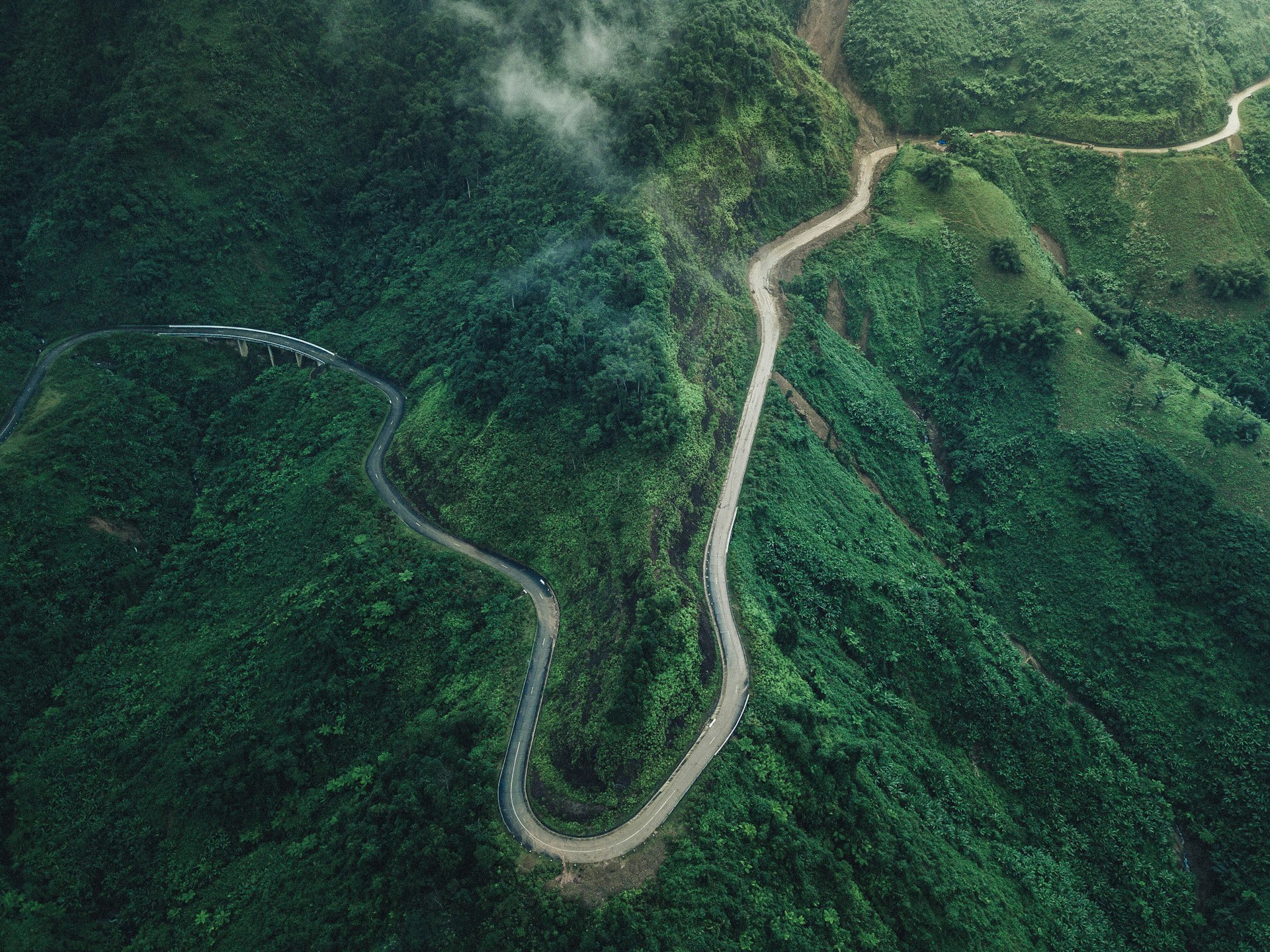
Gozo presents a gentler, more rural face of the Maltese archipelago, where agricultural traditions persist despite tourism's growth and villages maintain their distinct character with parish churches dominating every skyline. At just 67 square kilometres, this compact island rewards exploration with dramatic coastlines, ancient temples predating the Egyptian pyramids, and a pace of life that provides welcome contrast to Malta's busier destinations. The character of Gozo differs fundamentally from Malta's tourist-oriented areas, with agriculture remaining central to island life and local traditions maintaining stronger roots than across the channel. Fishing villages like Xlendi and Marsalforn have developed tourist facilities while retaining genuine atmosphere, and the interior villages feel untouched by modern tourism's homogenising influence.

What Makes Gozo Special
The Ġgantija Temples stand as Gozo's most significant historical treasure and among humanity's oldest free-standing structures, predating both Stonehenge and the Egyptian pyramids by over a thousand years. These 5,500-year-old megalithic temples demonstrate extraordinary engineering achievement by Neolithic people using only stone tools, with massive limestone blocks weighing up to 50 tonnes positioned with remarkable precision. The UNESCO World Heritage Site includes an excellent interpretation centre that brings the temple builders' world alive through imaginative displays and careful reconstruction. Victoria, Gozo's capital locally known as Rabat, centres on the magnificent Citadel that dominates the island's skyline from virtually every viewpoint. This fortified city within a city contains the baroque Cathedral of the Assumption, several museums, and atmospheric streets that reward extended exploration.
Dwejra, formerly home to the Azure Window that collapsed in 2017, remains Gozo's most dramatic coastal landscape. The Inland Sea, a lagoon connected to open water through a natural tunnel, provides swimming in extraordinary surroundings, while the Blue Hole nearby attracts divers to one of the Mediterranean's most celebrated sites. The Fungus Rock offshore once grew a plant believed to have medicinal properties, valued so highly that the Knights of St John posted guards to prevent unauthorised collection. The surrounding coastline of sheer limestone cliffs and eroded rock formations creates a landscape of raw geological drama that rewards both swimming and photography at any hour of the day.
The ferry crossing marks more than geographical separation — it signals transition to a slower pace, a greener landscape, and a way of life that recalls what much of the Mediterranean once offered.
Top Things to See and Do in Gozo
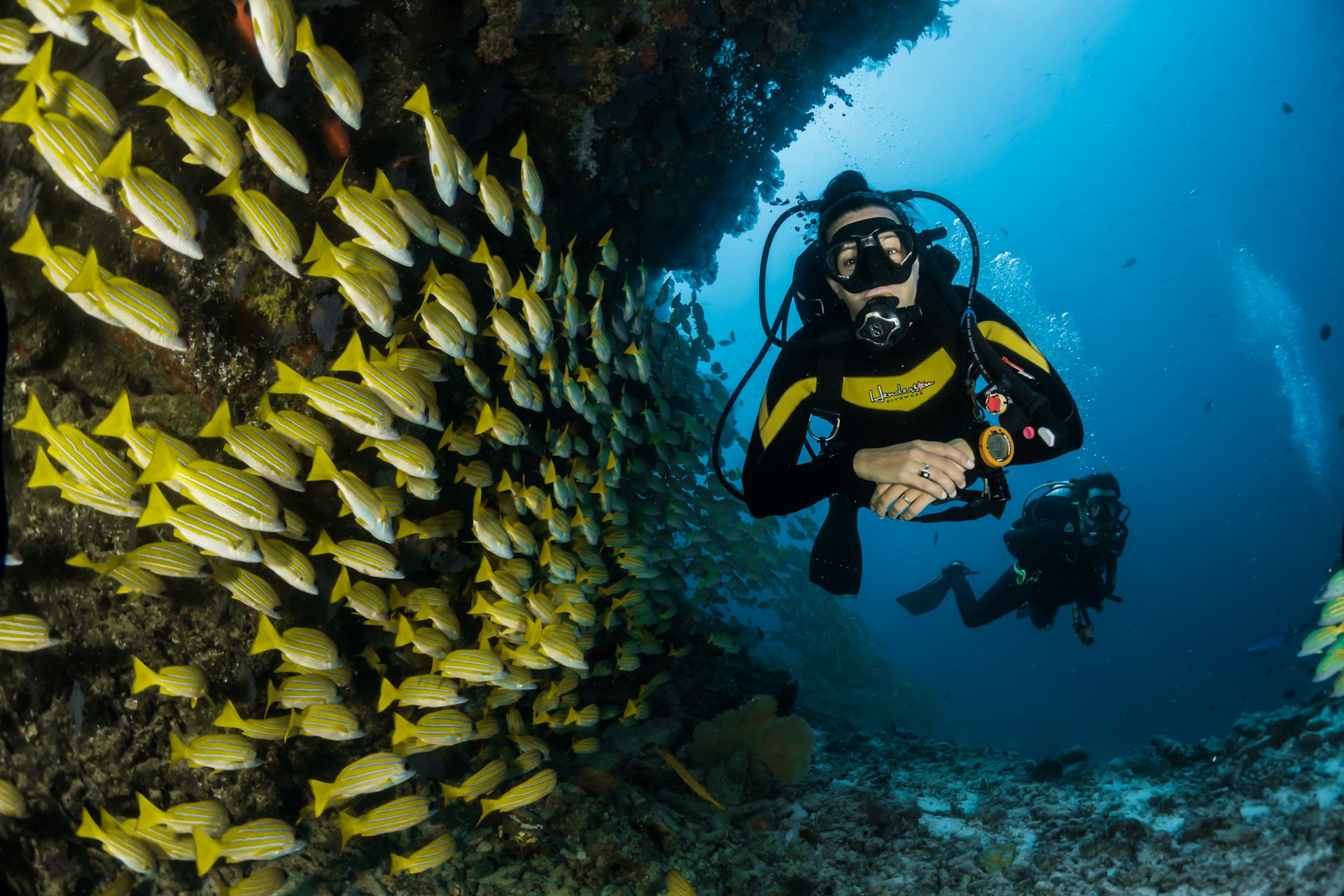
Ramla Bay provides Gozo's finest beach experience, a sweep of distinctive red-gold sand backed by fertile valley and watched over by a statue of the Virgin Mary perched on the hillside. The shallow waters suit families with children, while the Calypso Cave above allegedly inspired Homer's Odyssey as the place where the nymph Calypso detained Odysseus for seven years. Visit early morning or late afternoon to avoid peak crowds during summer months. Diving and snorkelling around Gozo ranks among the Mediterranean's best, with visibility regularly exceeding 30 metres and diverse marine environments from caves to drop-offs attracting both novices and experienced divers. Multiple dive centres operate across the island, offering everything from introductory experiences to technical diving training.
Ta' Pinu Basilica rises dramatically from the Gozitan countryside, a 20th-century pilgrimage church built on the site where a local woman reportedly heard the Virgin Mary's voice in 1883. The ornate interior contains ex-votos from grateful pilgrims, while the surrounding Way of the Cross provides contemplative walking with views across to Comino. Village exploration reveals Gozo's authentic character, with each settlement offering distinctive parish churches, local cafés, and glimpses of agricultural life continuing much as it has for generations. Xagħra's prehistoric heritage includes the Ġgantija Temples and the more intimate Xerri's Grotto, a privately-owned cave complex. San Lawrenz provides access to Dwejra, while Nadur's elevated position offers panoramic views and the island's Carnival celebrations renowned throughout Malta.
Where to Eat in Gozo
Gozo's dining scene emphasises local produce and traditional recipes, with restaurants showcasing the island's agricultural heritage alongside fresh seafood from surrounding waters. Ta' Rikardu in Victoria's Citadel provides the quintessential Gozitan dining experience, serving traditional plates including ftira, ġbejna sheep's cheese, and rabbit stew in atmospheric surroundings. The homestyle cooking uses ingredients from the owner's farm, offering genuine farm-to-table dining. Xlendi Bay's waterfront concentrates several seafood restaurants where catches land directly from fishing boats to kitchen to table. The Stone Crab and Il-Kartell offer fresh fish in romantic bay-side settings, while Marsalforn provides similar waterfront dining with a more local atmosphere.
How to Get to Gozo
From Malta
The Gozo Channel ferry operates between Ċirkewwa in northern Malta and Mġarr harbour in Gozo, with crossings taking 25 minutes and departing every 45 minutes throughout the day. Return tickets cost €4.65 per adult, with payment collected on the return journey. During summer and weekends, queues can extend waiting times significantly, making early morning or evening crossings advisable for day visitors. From Valletta or Sliema, reaching the Ċirkewwa ferry terminal requires approximately one hour by bus. Getting around Gozo requires planning as public transport remains limited compared to Malta. Car hire provides the optimal solution for thorough exploration, with rental agencies operating at both the ferry terminal and Victoria.
From the UK
KM Malta Airlines operates direct flights from London Heathrow and London Gatwick to Malta International Airport, approximately 3 hours. From the airport, Ċirkewwa ferry terminal is 45 minutes by road.
FERRY CROSSING
25 mins · €4.65 return
DEPARTURES
Every 45 minutes
FROM VALLETTA
~1 hour to Ċirkewwa
GETTING AROUND
Car hire recommended
BEST BEACH
Ramla Bay — red sand
TOP DIVE SITE
Blue Hole, Dwejra
Where to Stay in Gozo
Gozo pioneered farmhouse tourism in Malta, with converted traditional farmhouses providing unique accommodation that has become the island's signature hospitality offering. These properties range from simple conversions retaining rustic character to luxury renovations with private pools, modern kitchens, and high-end furnishings. The farmhouse experience suits families, groups, and couples seeking space and privacy unavailable in conventional hotels, with most properties located in the countryside rather than tourist centres. Traditional farmhouses typically feature thick stone walls, wooden beams, and characteristic Gozitan architectural elements adapted for modern comfort. Prices range from €100–150 nightly for simpler properties to €300+ for luxury conversions sleeping larger groups.
Hotel options on Gozo remain more limited than Malta, with the Kempinski Hotel San Lawrenz representing the island's only five-star resort. This property combines luxury facilities with spa, multiple restaurants, and countryside setting. The Grand Hotel Gozo in Ghajnsielem offers four-star comfort with sea views, while Hotel Ta' Cenc & Spa in Sannat provides a luxury countryside retreat. Budget options cluster in Marsalforn and Xlendi. For a comprehensive view of accommodation options, see our full Gozo hotels guide.
Spring represents Gozo at its finest, when winter rains have turned the island green and wildflowers carpet the countryside in spectacular displays. April and May combine comfortable temperatures of 18–24°C with manageable tourist numbers and the agricultural landscape at peak beauty. Summer months draw beach visitors to Ramla Bay and swimming spots around the coast, with water temperatures reaching 26°C and diving conditions at their clearest. Ferry queues peak during July and August weekends, making midweek visits more practical. Autumn and winter appeal to those seeking Gozo's authentic character without summer crowds. September and October maintain swimming temperatures while reducing visitor numbers, and winter visitors discover a Gozo that belongs entirely to locals.
Frequently Asked Questions — Gozo Malta
Frequently Asked Questions
How do I get from Malta to Gozo?
The Gozo Channel ferry operates from Ċirkewwa in northern Malta to Mġarr in Gozo, taking 25 minutes with departures every 45 minutes. Return tickets cost €4.65 per adult, paid on the return journey. From Valletta, the X1 bus reaches Ċirkewwa in approximately one hour. Car ferries allow you to bring rental vehicles. Fast ferries also operate from Valletta during summer months, taking 45 minutes directly to Gozo.
Is Gozo worth visiting?
Absolutely. Gozo offers experiences unavailable on Malta proper. The Ġgantija Temples predate the pyramids, Victoria's Citadel provides panoramic views and museums, Dwejra's coastline includes world-class diving, and Ramla Bay's red sand beach ranks among Malta's finest. The rural character and slower pace provide welcome contrast to Malta's busier areas. Most visitors find Gozo essential to their Malta holiday experience.
How many days do you need in Gozo?
A day trip covers main highlights including Victoria, the temples, Dwejra, and a beach. However, 2–3 nights allows proper appreciation of Gozo's character, including evening atmosphere, less-visited villages, and the relaxed pace that defines island life. Many visitors combine an initial day trip with a later return stay. A week suits those wanting thorough exploration including diving, hiking, and village festivals.
What happened to the Azure Window?
The Azure Window, Gozo's iconic natural limestone arch at Dwejra, collapsed into the sea during a storm on 8 March 2017. The dramatic rock formation had featured in Game of Thrones and numerous films. The surrounding Dwejra area remains spectacular, with the Inland Sea, Blue Hole diving site, and dramatic cliffs continuing to attract visitors. Underwater, the collapsed arch has created a new diving attraction.
Can you drive around Gozo?
Yes, driving is the best way to explore Gozo as public transport remains limited. You can bring a hire car from Malta on the ferry or rent one on Gozo itself. The island is small (67km²), so driving times between any two points rarely exceed 20 minutes. Roads are generally good though narrow in villages. A full day's exploring by car easily covers all major attractions with time for beaches and meals.
FLY DIRECT FROM LONDON
Visit Gozo with KM Malta Airlines
KM Malta Airlines flies direct to Malta from London Heathrow and London Gatwick, approximately 3 hours. From Malta International Airport, Ċirkewwa ferry terminal is 45 minutes — Gozo is 25 minutes further by ferry. VisitMalta.co.uk packages are ATOL-protected.
Best months for Gozo: April–May when the island is green and wildflowers carpet the countryside. September–October for warm seas without summer crowds.
Search Gozo Holiday Packages