National Museum of Natural History
Natural History Museum in Mdina · Pjazza Publju, L-Imdina MDN 1010, Malta
Enquire through VisitMalta.co.ukServices, hours and details last checked against National Museum of Natural History's own published information.
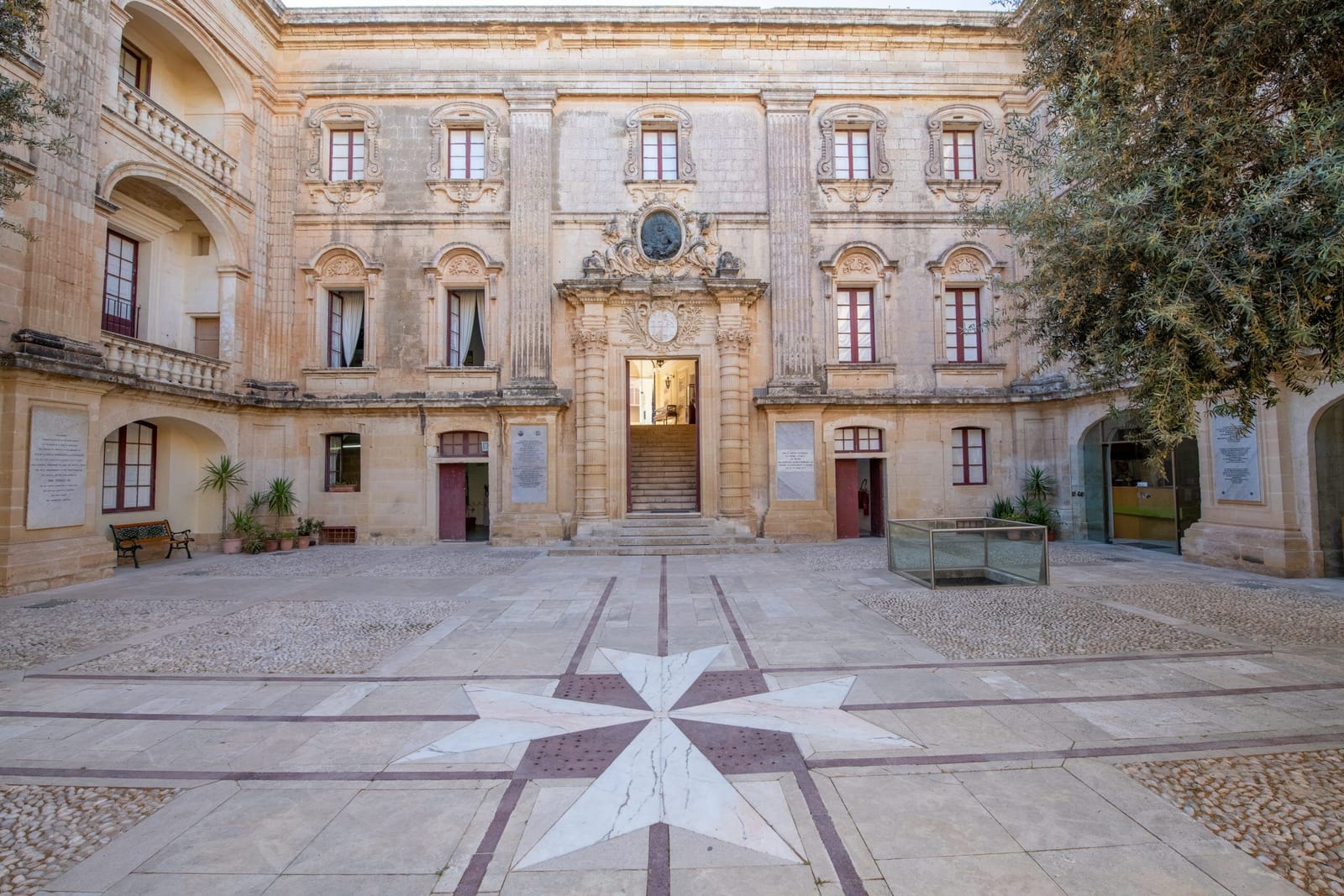
The National Museum of Natural History is a museum in Palazzo Vilhena, on Pjazza Publju in the old walled city of Mdina. Its halls show Malta's geology, fossils, birds, insects and marine life, with a focus on the islands' own wildlife. Questions about visiting can be sent through the VisitMalta.co.uk enquiry form on this page.
The National Museum of Natural History is Malta's museum of the natural world, set inside a grand eighteenth century palace in the walled city of Mdina. Its shelves and cases hold the islands' rocks, fossils, birds, insects and sea creatures, and its work centres on the plants and animals that are native to the Maltese archipelago.
For UK visitors it makes a quiet, absorbing stop on a day in Mdina. Its mix of fossils, shells, insects and birds gives variety for families with young children and enough scientific depth for keen naturalists. The directory of museums in Malta lists other places to compare.
Palazzo Vilhena and its past lives
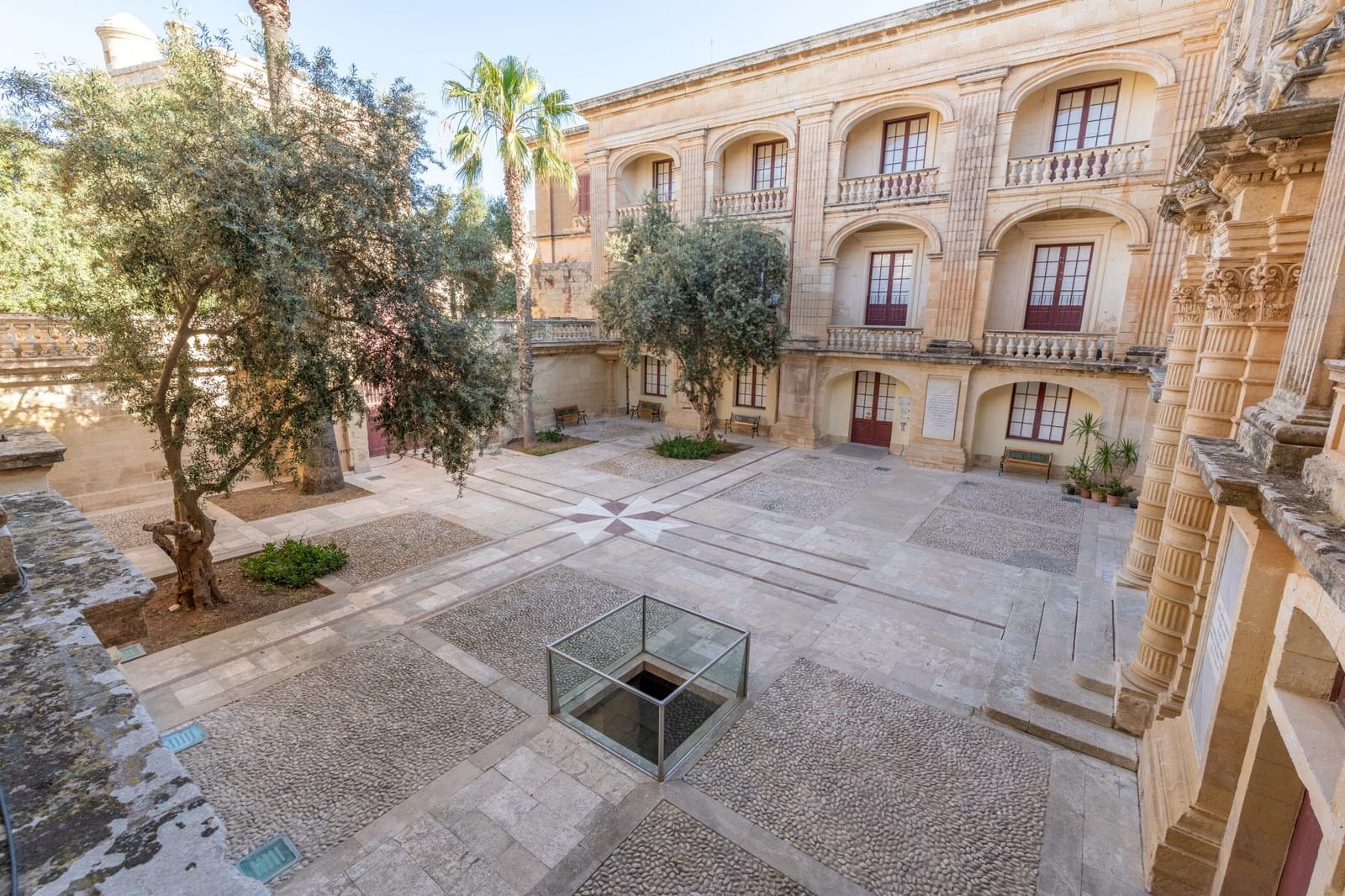
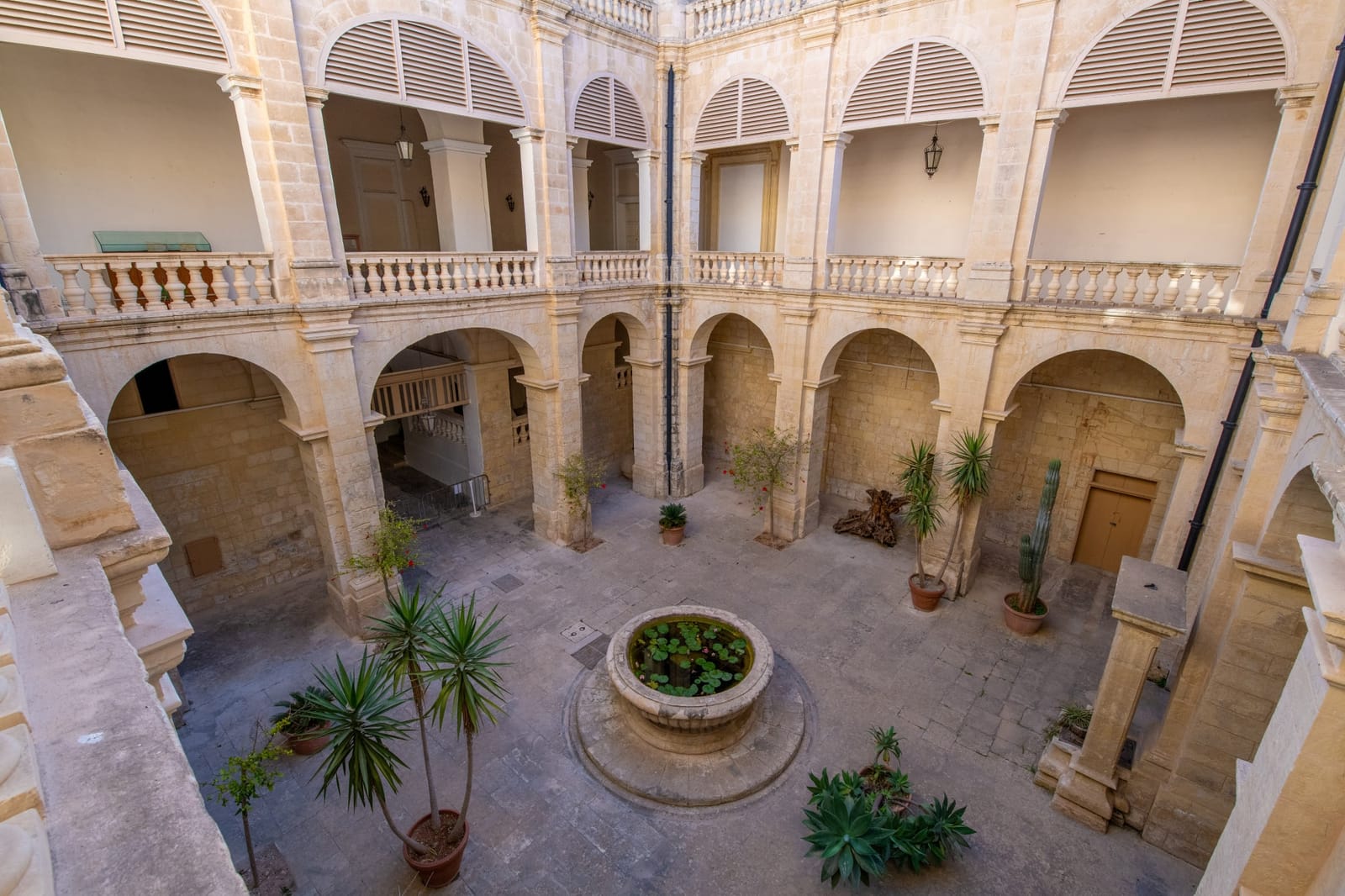
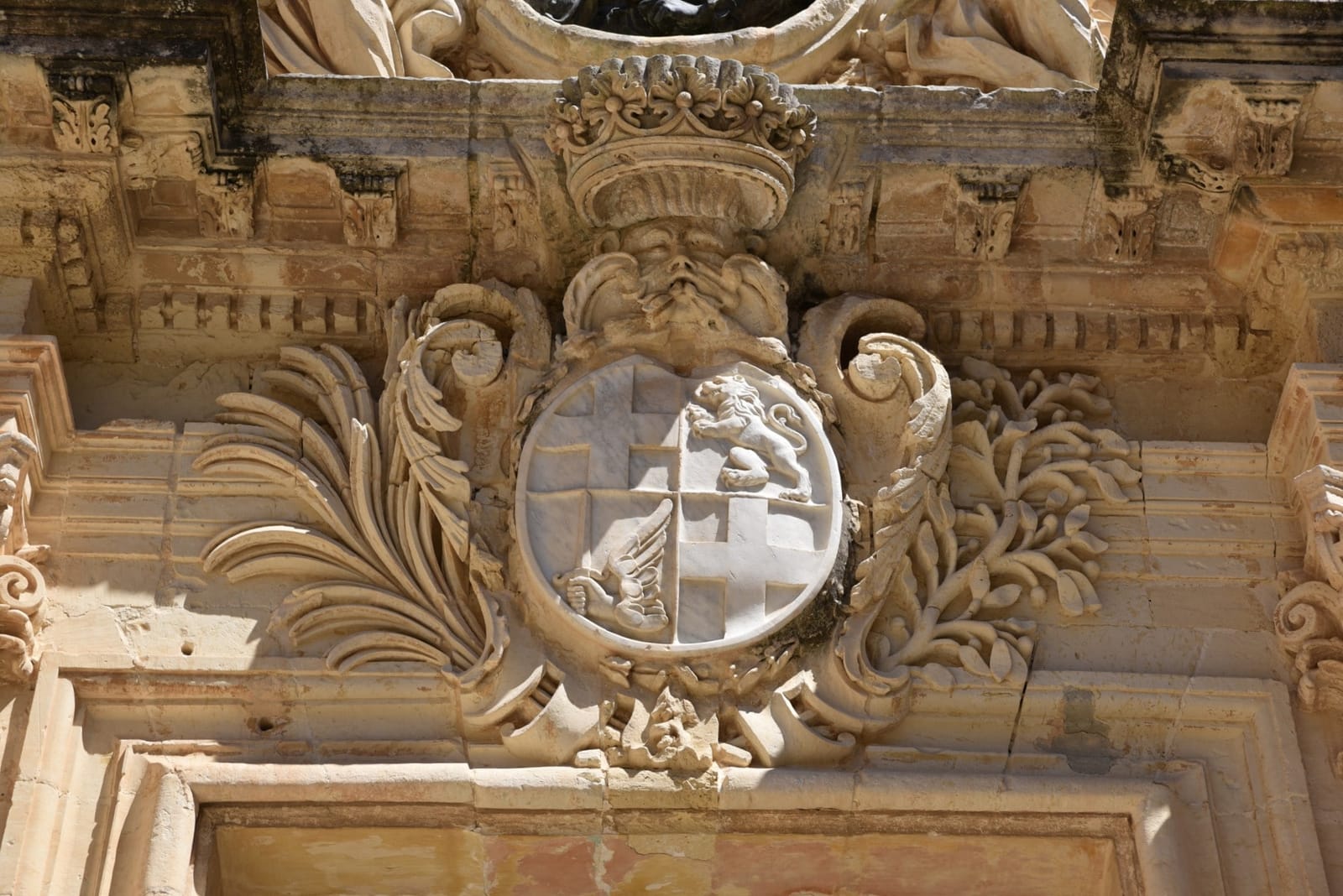
The museum occupies Palazzo Vilhena, which Grand Master Antonio Manoel de Vilhena commissioned in 1724. The French architect Charles François de Mondion designed it in the Parisian Baroque style, and the palace remains one of the landmark buildings of Mdina. Our Knights of Malta history guide explains the order whose Grand Masters shaped the islands.
Before becoming a museum, the building served several purposes. It was a temporary hospital during the cholera outbreak of 1837, a sanatorium for British military personnel from 1860, and a tuberculosis clinic until January 1956. The museum was inaugurated on 22 June 1973, starting a more systematic effort to preserve Malta's biological and fossil heritage.
What you can see in the galleries
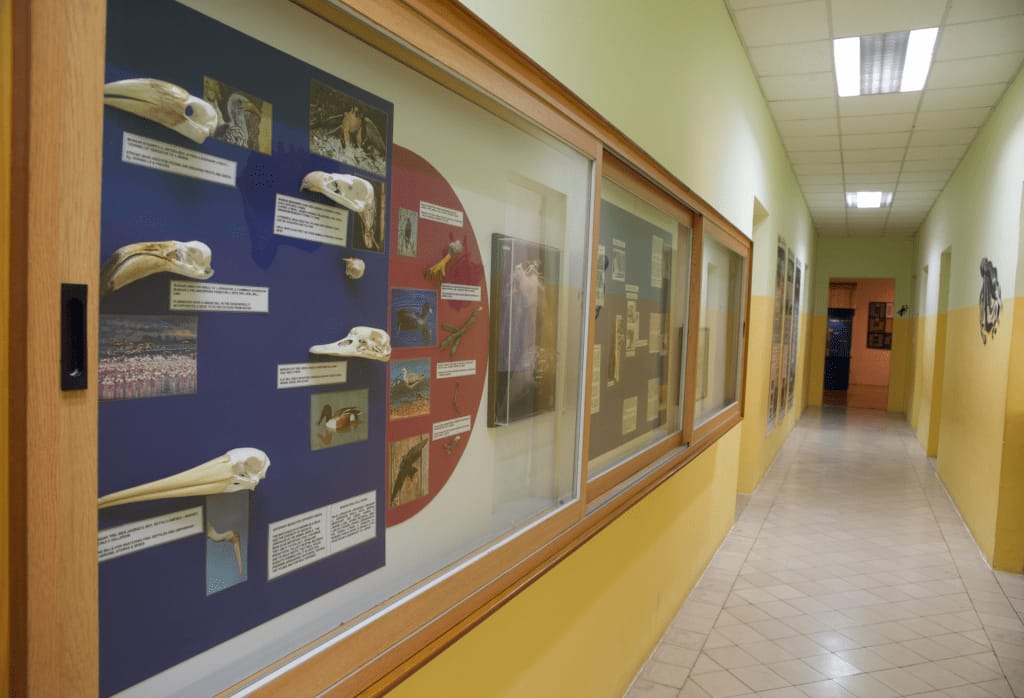
Displays are arranged by theme and cover local biodiversity and ecology, geology and palaeontology, mineralogy, human evolution, marine fauna, skeletons, insects, shells and birds. The collections include over 10,000 mineral and geological items, 12,000 bird and mammal specimens and hundreds of thousands of molluscs, insects and fossils.
Each hall is named after a Maltese natural historian. The Joe Sultana Hall explores the ecology of the small islets around Malta, namely Filfla, Fungus Rock, the St Paul's Islands and Comino, which you can read about in our Blue Lagoon guide. The bird hall carries the name of Giuseppe Despott, the first Maltese curator of natural history, and arranges species in a systematic classification from around the world. The Lewis Mizzi Hall shows a large part of Mizzi's historic mineral collection.
Research, lectures and publications
The museum also works as a research centre. Fieldwork, public lectures, temporary exhibitions and scientific outreach all support its mission, and it publishes the Bulletin of the National Museum of Natural History, Malta, an open access, peer reviewed journal with downloadable issues. Volumes one and two each have two issues, and volume three is a special issue.
The aim is to keep local biological and fossil research available to scientists around the world, so the museum's work reaches well beyond its galleries. Its focus on Malta's endemic and indigenous species also makes the displays a useful introduction before a walk along the coast or a boat trip, such as those described in our Blue Grotto guide.
Planning your visit
Entry is €5.00 for adults and €3.50 for youths, seniors and concessions, with children aged 6 to 11 at €2.50 and infants free. The museum has lockers, a nappy changing facility and fully accessible toilets, although some areas cannot be reached by visitors with mobility impairments. It is also autism friendly, with designated quiet spaces, a sensory map and a social story that can be downloaded in advance.
Guided tours can be requested, and a virtual experience is available if you cannot travel. The nearest bus stop is five minutes away on foot. To make a weekend of it, see our Mdina guide, the listings of hotels in Mdina and Rabat and our ideas for things to do in Malta.
For questions about visiting, use the VisitMalta.co.uk enquiry form on this page and we will pass your message to the museum.
Questions about National Museum of Natural History
Where is the National Museum of Natural History?
It is in Palazzo Vilhena on Pjazza Publju in Mdina, the old walled city in the middle of Malta. The nearest bus stop is about five minutes away on foot.
What can I see at the museum?
Displays cover local biodiversity and ecology, geology, fossils, minerals, human evolution, marine life, skeletons, insects, shells and birds, with a particular focus on the wildlife of the Maltese islands.
How much does it cost to enter?
Tickets are €5.00 for adults, €3.50 for youths, seniors, concessions and students, and €2.50 for children aged 6 to 11. Infants aged 1 to 5 and Heritage Malta members and passport holders enter free.
Is the museum suitable for families and visitors with access needs?
There are lockers, a nappy changing facility and accessible toilets, plus designated quiet spaces and downloadable sensory resources. Some areas are not fully accessible for people with mobility impairments.
What is the building?
The museum is housed in Palazzo Vilhena, commissioned in 1724 by Grand Master Antonio Manoel de Vilhena and designed in the Parisian Baroque style. It has also been a hospital, a sanatorium and a tuberculosis clinic.
How do I ask about a visit from the UK?
Use the VisitMalta.co.uk enquiry form on this page and tell us what you would like to know, such as a guided tour or your travel dates. We will pass your message to the museum.
Practical information
The museum is at Pjazza Publju, Mdina, in Palazzo Vilhena. Tickets are €5.00 for adults, €3.50 for youths aged 12 to 17, seniors aged 60 and over and concessions or students, and €2.50 for children aged 6 to 11. Infants aged 1 to 5 enter free, as do Heritage Malta members and passport holders. Lockers, a nappy changing facility and accessible toilets are on site, and the closest bus stop is five minutes on foot. To ask about a visit or a guided tour, send your details through the enquiry form on this page and VisitMalta.co.uk will pass your message to the museum.
Location
Other museums in malta to compare
Listed under
The details on this page were correct on 25 October 2026, as published on the National Museum of Natural History website. Services, prices and hours can change, so please confirm when you enquire.