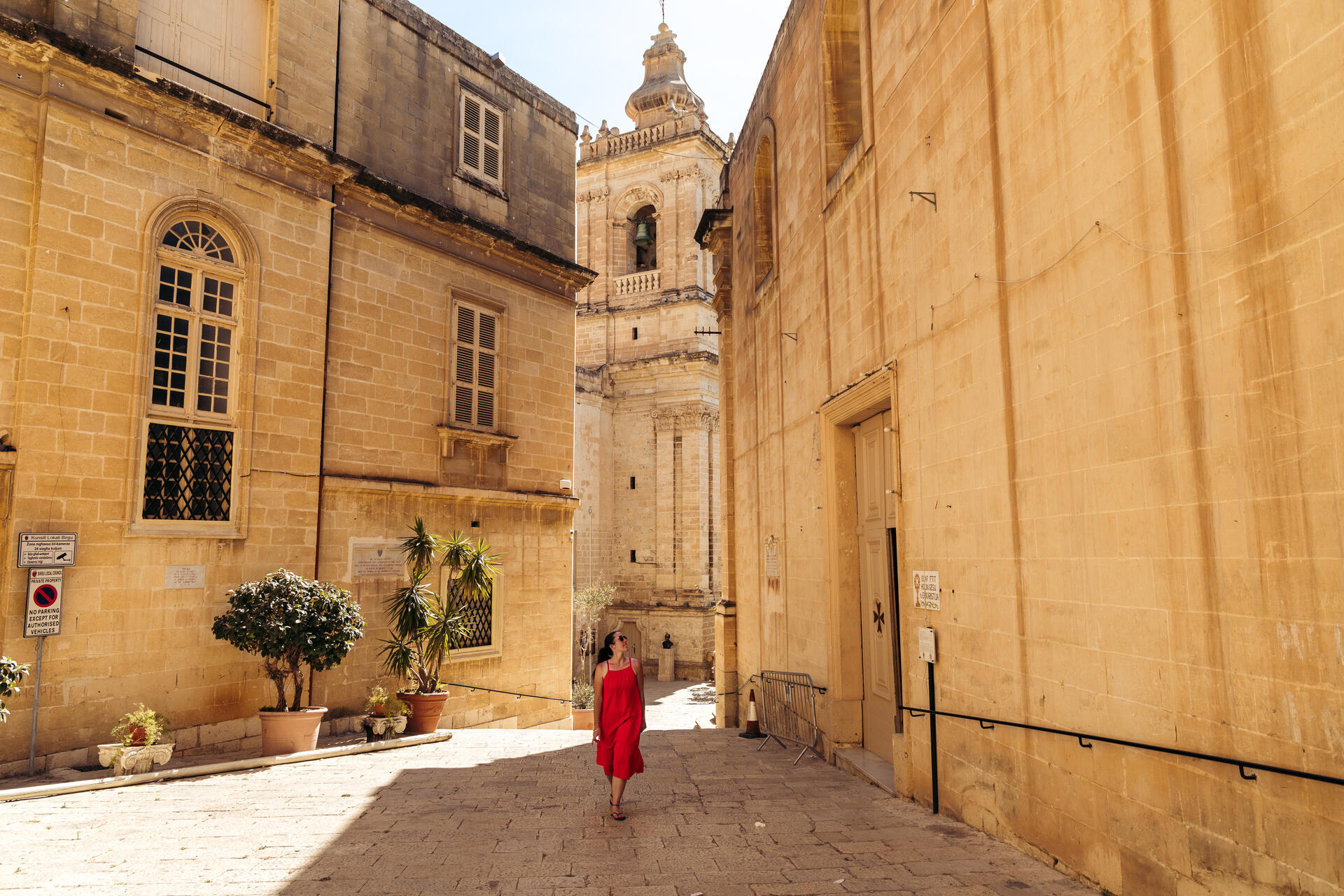
OLDER THAN VALLETTA ITSELF
The Three Cities
Vittoriosa, Senglea and Cospicua — the fortified cities that held Malta against the Ottoman Empire
CITIES
Vittoriosa, Senglea, Cospicua
FERRY FROM VALLETTA
10 mins · €2.50
FORT ST ANGELO
Built 870 AD
GREAT SIEGE
1565
Before Valletta, There Was Birgu
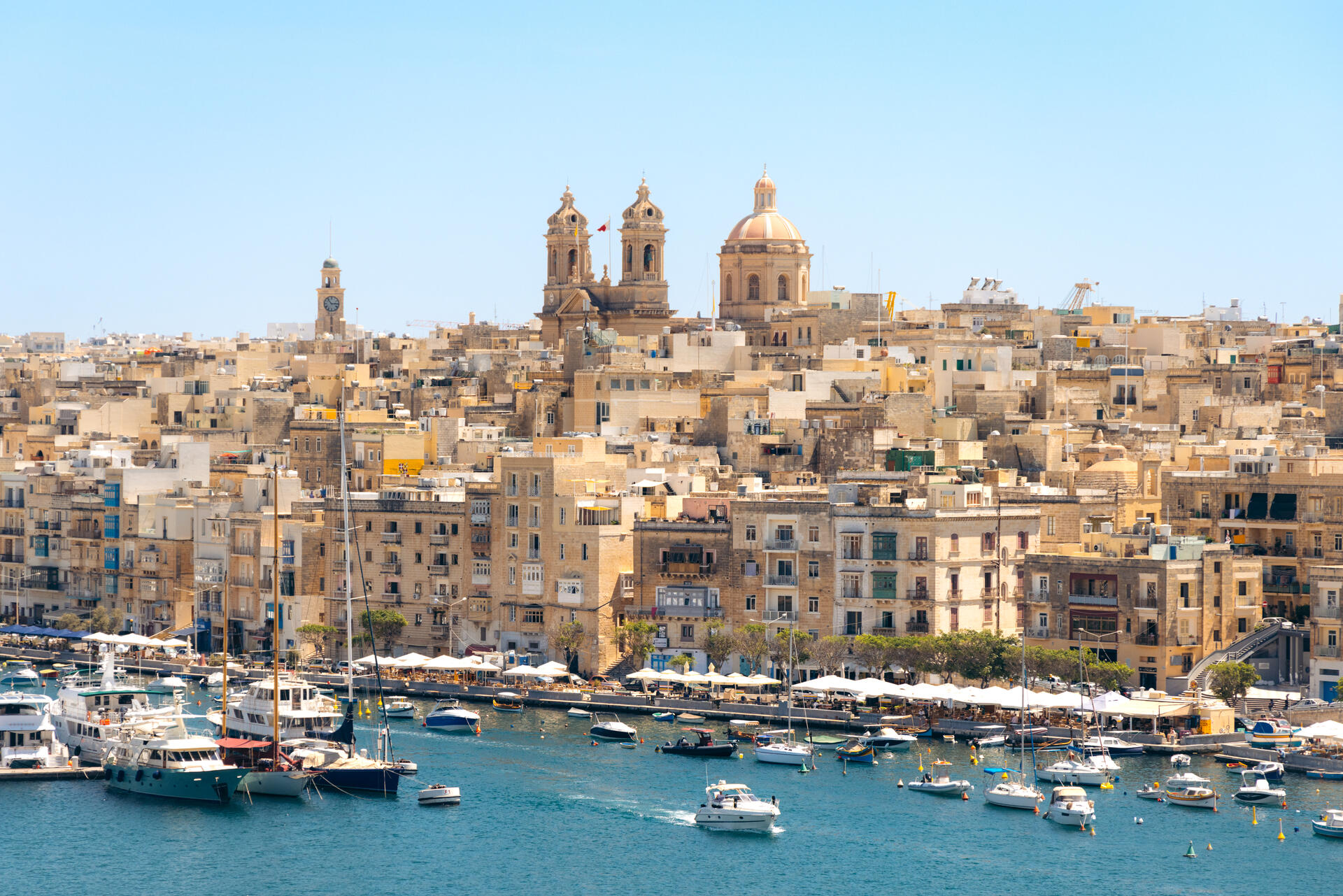
Across the shimmering expanse of the Grand Harbour from Valletta lie the Three Cities — Vittoriosa (Birgu), Senglea (L-Isla), and Cospicua (Bormla) — a cluster of fortified towns steeped in history yet remarkably overlooked by the majority of Malta's visitors. These cities predate Valletta by decades, serving as the initial Maltese bastion for the Knights of St John after their arrival in 1530, with Birgu becoming their first headquarters and the epicentre of the legendary Great Siege of 1565. Today, they harbour a combined population of around ten thousand souls, their narrow streets and imposing fortifications whispering tales of sieges, maritime supremacy, and centuries of strategic importance. Their historical significance is profound, forming the original heart of Maltese defence and administration before the rise of Valletta, yet they remain curiously absent from the standard tourist itinerary, offering an authentic, quieter alternative to the island's more frequented attractions.
Vittoriosa, or Birgu as it was known to its inhabitants, exudes a palpable sense of antiquity and resilience, its core dominated by the remnants of the Knights' era. The Inquisitor's Palace, the sole surviving such palace in all of Europe, stands as a formidable testament to the Church's power within the Order. Dominating the waterfront is Fort St Angelo, the nerve centre during the Great Siege, where the Knights held firm against overwhelming odds and which rewards exploration with sweeping harbour views. The Malta Maritime Museum provides further context, housed in the former British naval bakery, while the imposing Couvre Porte gate marks the entrance to the Collachio — the Knights' former quarter where several auberges still stand intact, evoking the Order's former grandeur.
Their historical significance is profound — the original heart of Maltese defence and administration before the rise of Valletta, yet they remain curiously absent from the standard tourist itinerary.
Fort St Angelo and the Great Siege
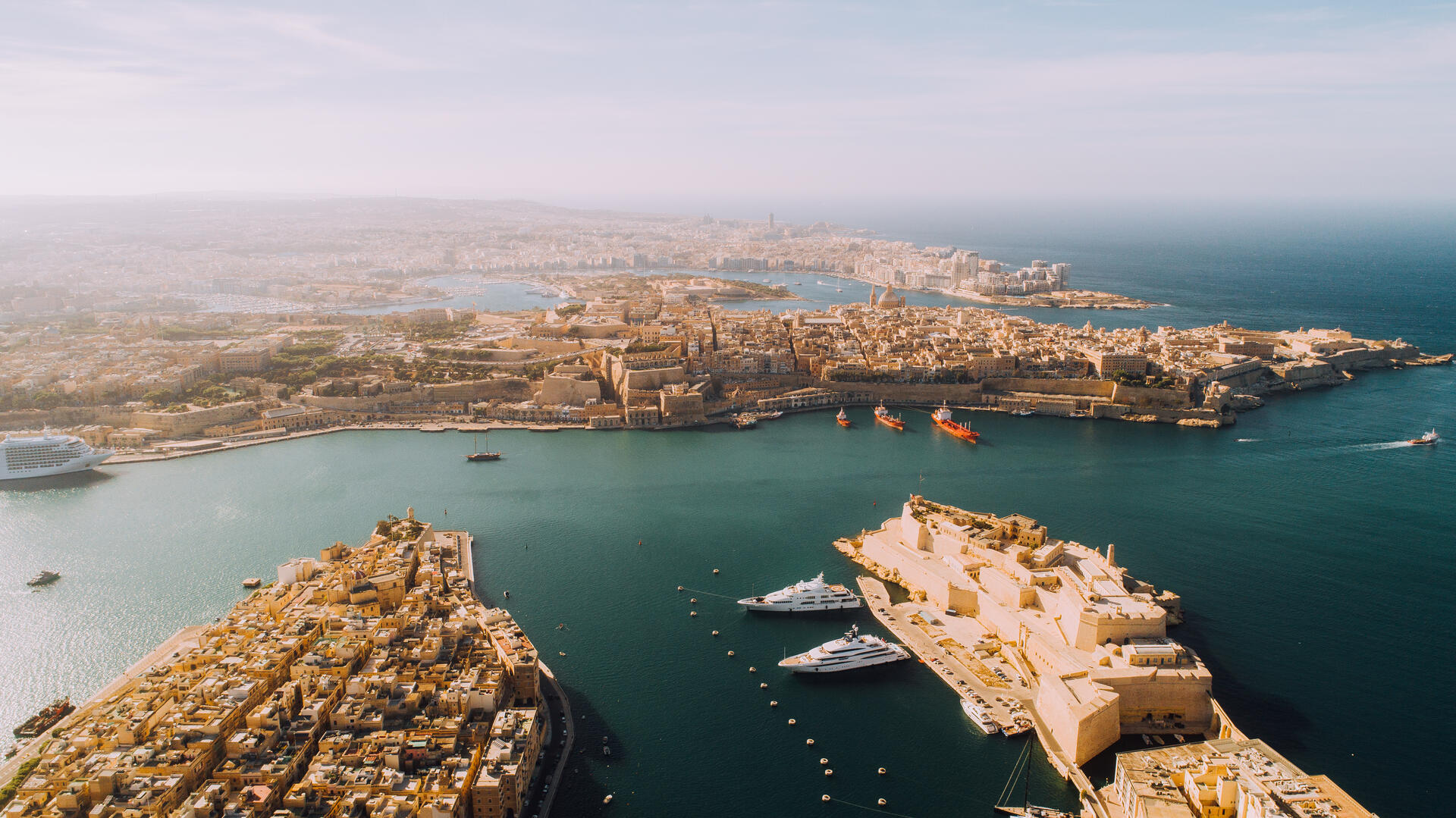
Fort St Angelo itself is a layered narrative of power, its foundations laid by the Arabs, strengthened by the Normans, and ultimately gifted to the Knights in 1530, becoming the undisputed command post during the Great Siege's gruelling months. Its thick stone walls and strategic position allowed it to withstand relentless Ottoman bombardment, serving as a crucial bulwark for the Christian defenders. Climbing to the upper bastion reveals a breathtaking panorama across the water to the distant spires of Valletta — a stark visual reminder of the siege's conclusion and the subsequent rise of the new capital. Allowing at least 90 minutes for the visit is essential to appreciate the fortress's scale, explore its various chambers and bastions, and absorb the weight of history embedded within its ancient stones.
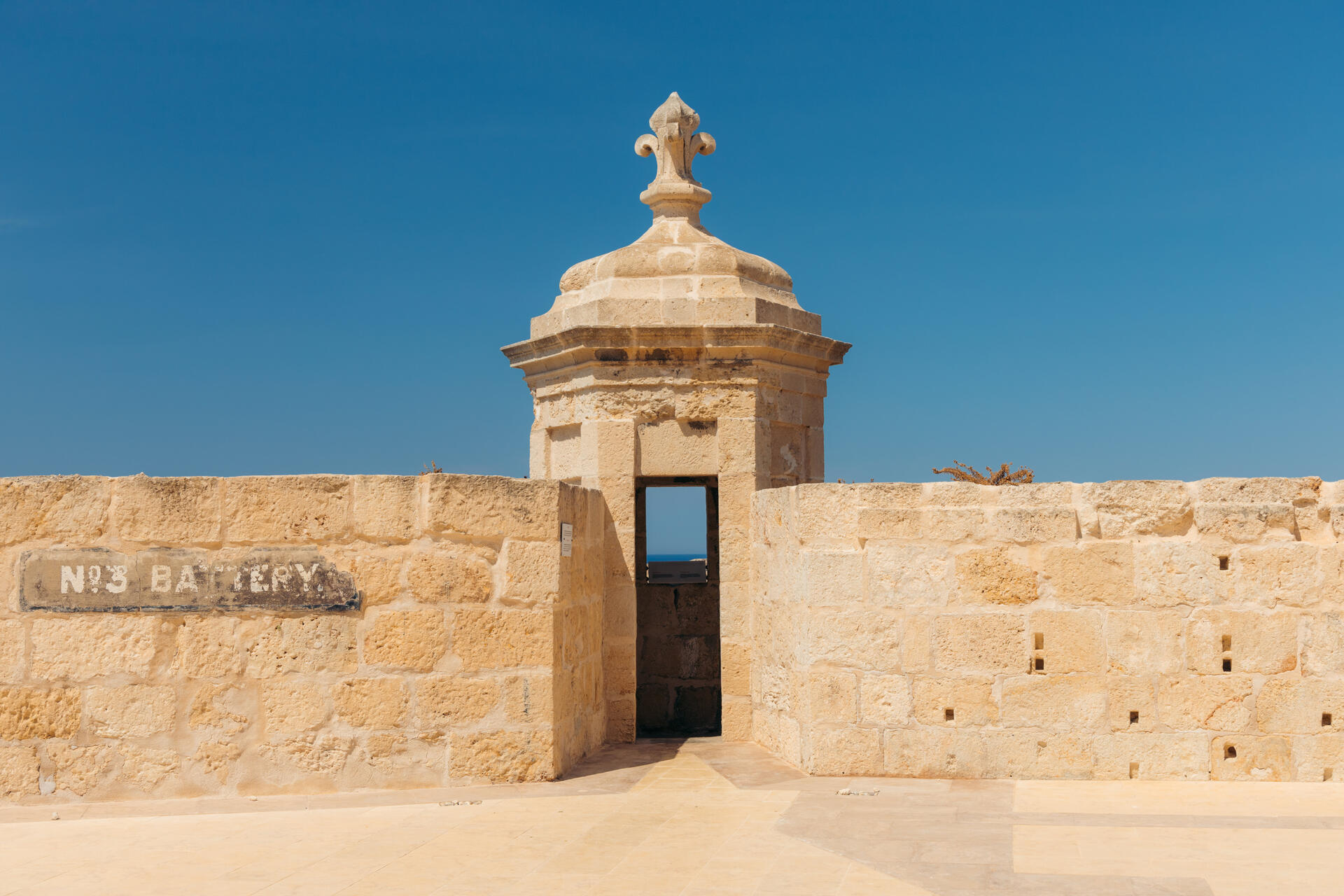
Senglea, locally known as L-Isla, occupies a slender peninsula jutting into the harbour, its defences culminating in the iconic Gardjola watchtower at its very tip. This small stone structure is famous for its meticulously carved symbols of an eye and an ear, representing the constant vigilance required against approaching enemies — a poignant reminder of the city's role as a lookout post during the Great Siege. Nearby, the Safe Haven Gardens offer a tranquil green space providing a moment of calm amidst the surrounding fortifications. The true value of Senglea, however, lies at the peninsula's apex, where the view unfolds simultaneously across the water to the bastions of Vittoriosa and the imposing front of Valletta, a perspective often cited as one of the most defining and least appreciated vistas in all of Malta. This panoramic outlook, encompassing two of the Three Cities and the capital across the Grand Harbour, offers a spatial understanding of the harbour's strategic geography that no photograph fully captures.
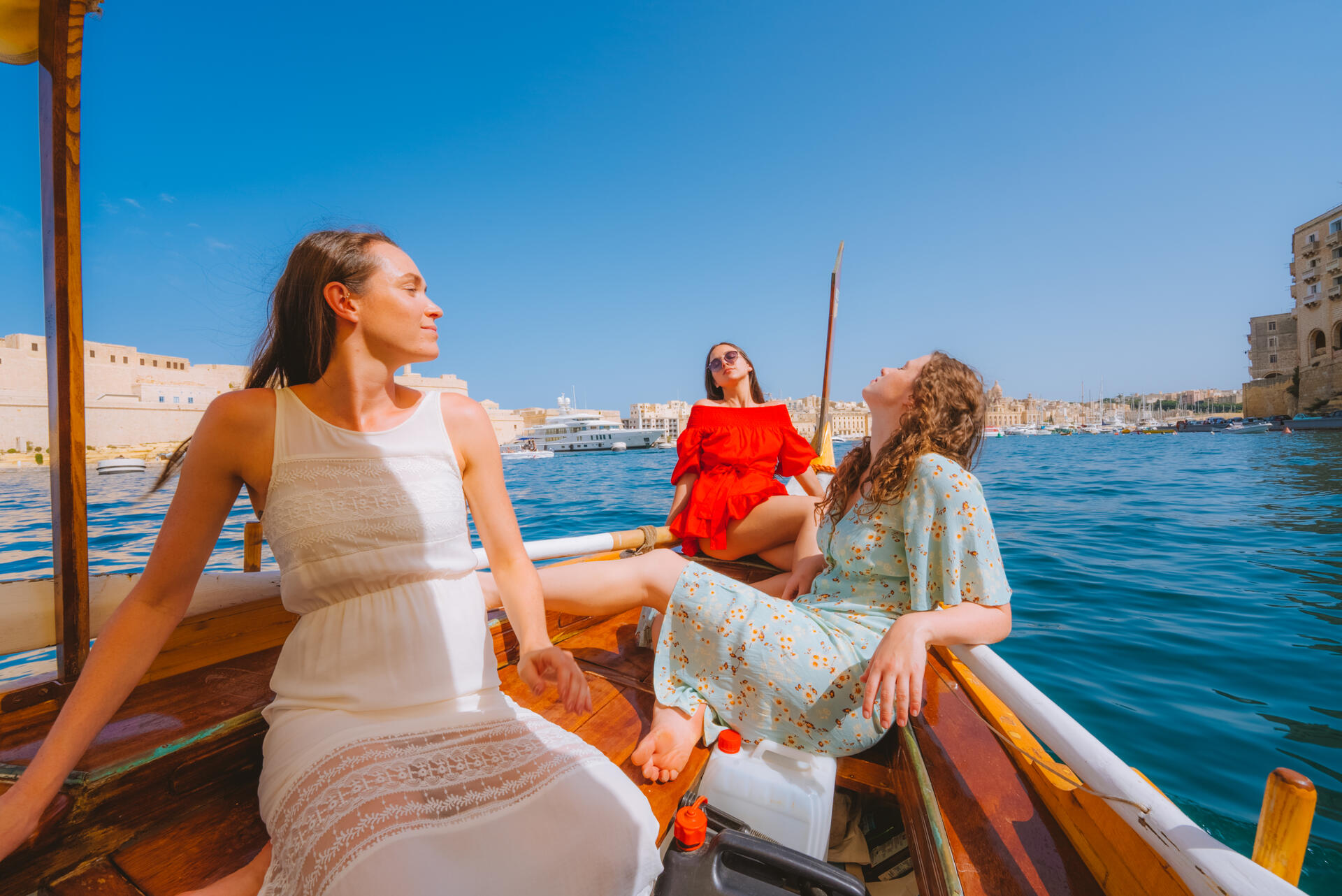
The most atmospheric way to experience the intimate connection between Vittoriosa and Senglea is aboard the traditional Maltese water taxi, the dgħajsa, a short crossing across Dockyard Creek from the Vittoriosa waterfront to the Senglea quays — a journey undertaken by generations of boatmen who navigate the narrow waters with practiced ease. These are not tourist novelties; the dgħajsa service has sustained local communities for centuries. Alternatively, the regular ferry service from Valletta Waterfront reaches Birgu in around ten minutes, arriving at the marina with Fort St Angelo rising directly above the quayside — see our guide to getting around Malta for current routes and timings.
Getting to the Three Cities
By Ferry
Valletta Waterfront to Birgu, every 30 minutes, €2.50, 10 minutes — the best approach, arriving at the marina with Fort St Angelo above you. KM Malta Airlines flies direct from London Heathrow and Gatwick to Malta International Airport.
By Bus
Bus 3 from Valletta, 25 minutes, €2. Arrives at Cospicua, from where the Three Cities are navigable on foot.
By Dgħajsa
Traditional water taxi between Vittoriosa and Senglea, €1–2, 5 minutes across Dockyard Creek. The boatmen run this route as they have for generations.
VALLETTA FERRY
10 mins · €2.50
VALLETTA BUS
25 mins · Bus 3 · €2
MALTA AIRPORT
11km · ~20 mins
FORT ST ANGELO
Vittoriosa · entry €10
INQUISITOR'S PALACE
Birgu · entry €5
SENGLEA TIP
15 mins walk from ferry
Where to Stay in the Three Cities
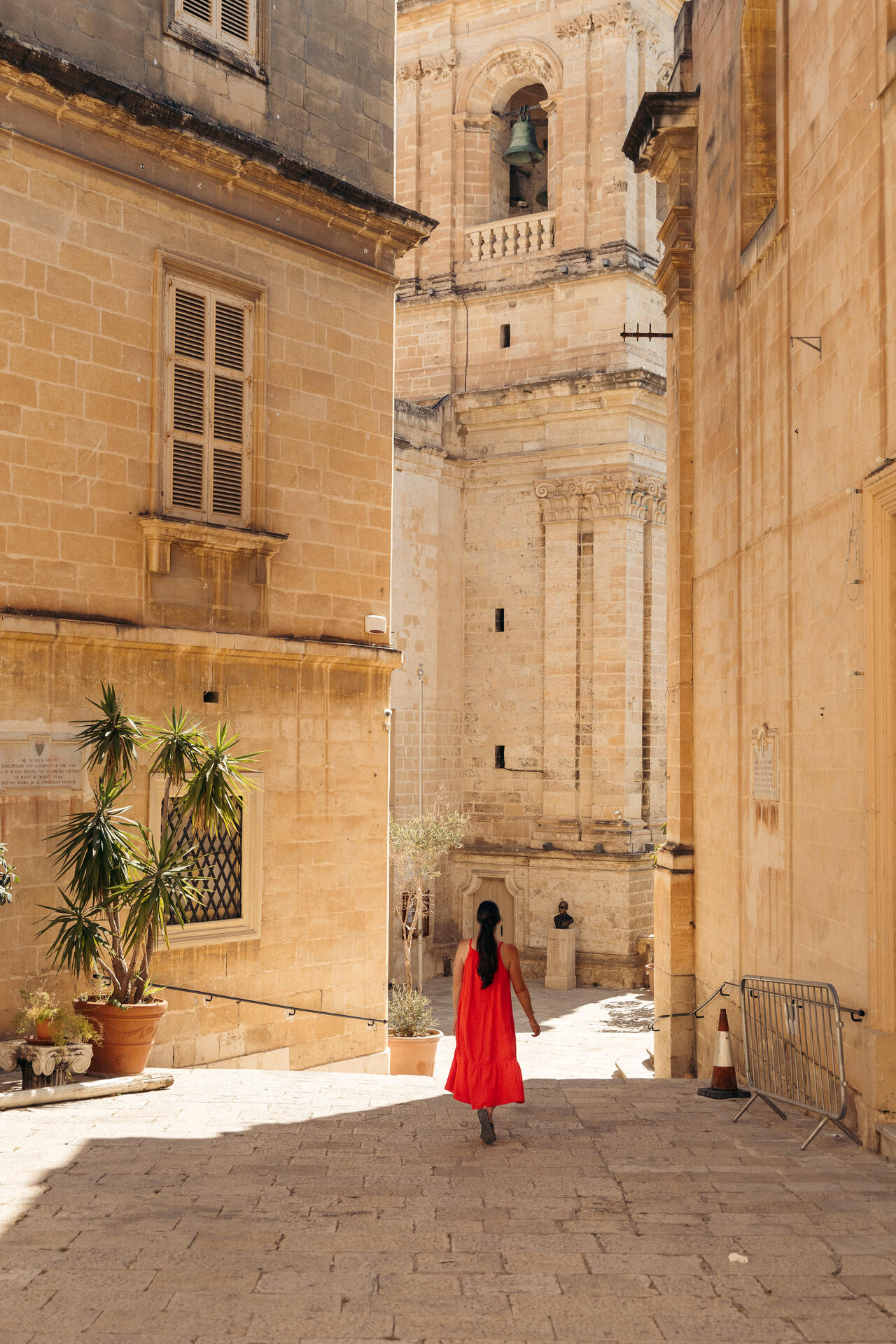
The Three Cities have limited accommodation deliberately — this is primarily a day trip or early evening destination from Valletta or Sliema. The principal boutique option is Dock No. 1, a converted warehouse on the Vittoriosa waterfront with rates from £110 per night, whose position directly on the marina places Fort St Angelo within a five-minute walk and the ferry terminal within ten. For longer stays, Valletta's hotels are 10 minutes by ferry and provide the full range of infrastructure the Three Cities lack. For a comprehensive view of accommodation options, see our Valletta hotels guide.
Vittoriosa Marina presents one of the Mediterranean's most dramatic settings for modern yachting, its deep berths cradled within the ancient harbour basin. The contrast is striking: sleek, contemporary superyachts and sailing vessels moored directly beneath the soaring, weathered ramparts of Fort St Angelo, creating a powerful juxtaposition of ancient fortification and modern leisure. The marina is a hub of activity, home to established yacht clubs and waterfront restaurants where the evening passeggiata — the traditional evening stroll — unfolds against the backdrop of the fort's silhouette. For those considering a longer stay in the area, see our guide to where to stay in Malta. The waterfront restaurants here, unlike those in Valletta, are largely frequented by Maltese rather than visitors — the most reliable indicator of value and authenticity in any harbour town.
Cospicua, or Bormla, forms the outermost point of the formidable Cottonera Lines, a monumental 4.5km ring of fortifications constructed between 1670 and 1760, designed to enclose and protect all three cities within a single defensive perimeter. The sheer scale of this engineering is difficult to absorb from street level — only from the air, or from the ferry crossing below, does the full extent of the walls become apparent, curving around the peninsula in a continuous arc of limestone that took ninety years to complete. Today, Cospicua presents a more working-class reality than its neighbours, its streets carrying the daily life of a community that has always earned its living from the sea and the dockyard. The city's most significant industrial legacy is the dry docks that line the waterfront — the facilities where the Royal Navy's ships were built, repaired, and maintained for over a century, leaving behind structures whose scale would be remarkable in any European context. The combination of extraordinary military heritage and unpretentious present-day character makes Cospicua the most honest of the three cities, and in many ways the most revealing.
The ideal time to explore the Three Cities is during the shoulder seasons of April and May, or October — see our Malta weather guide for seasonal detail. The ferry from Valletta Waterfront remains the best approach — arriving by water with Fort St Angelo above you establishes the right context from the moment you step ashore. Local buses also connect Valletta to the Three Cities; check our getting around Malta guide for current routes. For more ideas beyond the Three Cities, browse our full things to do in Malta guide. For food, the waterfront restaurants in Vittoriosa serve fresh fish and Maltese staples, while the pastizzerias in the backstreets of Cospicua represent the most authentic introduction to the daily bread of these communities.
Frequently Asked Questions — Three Cities Malta
Frequently Asked Questions
What are the Three Cities in Malta?
The Three Cities are Vittoriosa (Birgu), Senglea (L-Isla), and Cospicua (Bormla) — three fortified peninsulas on the south side of the Grand Harbour, directly across from Valletta. They predate Valletta by 36 years: Birgu became the Knights of St John's first base in Malta in 1530, while Valletta was not founded until 1566. The Three Cities have a combined population of approximately 10,000 and remain among the most historically significant and least visited locations in Malta.
How do I get to the Three Cities from Valletta?
The best approach is by ferry from Valletta Waterfront, departing every 30 minutes, costing €2.50, and taking 10 minutes to reach Birgu (Vittoriosa). Arriving by water — with Fort St Angelo rising above the marina — provides an immediate sense of the harbour's scale and the cities' strategic position. Alternatively, Bus 3 from Valletta takes 25 minutes and costs €2. Once in the Three Cities, a traditional dgħajsa water taxi crosses between Vittoriosa and Senglea in 5 minutes for €1–2.
Is Fort St Angelo worth visiting?
Fort St Angelo is one of the most historically significant fortifications in Europe and is fully worth the €10 entry fee. Built originally by the Arabs, rebuilt by the Normans, and given to the Knights of St John in 1530, the fort served as the command centre for the defence of Malta during the Great Siege of 1565. The view from the upper bastion across 1.8km of harbour to Valletta is the most instructive single perspective on Malta's military geography. Allow at least 90 minutes for a thorough visit.
How long do you need in the Three Cities?
A full day allows you to see all three cities properly: Fort St Angelo and the Collachio quarter in Vittoriosa, the Inquisitor's Palace (€5), the Gardjola watchtower tip in Senglea, and the Cottonera Lines in Cospicua. The self-guided Heritage Walk covers the principal sites in four to five hours at a comfortable pace; free maps are available from the Birgu tourism office. Half a day covers Vittoriosa and Fort St Angelo adequately, with time for lunch on the waterfront.
Are the Three Cities better than Valletta?
The Three Cities and Valletta serve different purposes and reward different kinds of visitors. Valletta — Malta's UNESCO World Heritage capital — has St John's Co-Cathedral with its two Caravaggios, the Grandmaster's Palace, and a density of 320+ monuments in 0.55km². The Three Cities have fewer formal attractions but more authenticity: narrow streets largely unaltered since the Knights' era, a working marina, the only surviving Inquisitor's Palace in Europe, and almost no tourist crowds. The ideal itinerary combines both: ferry from Valletta to the Three Cities and back in a single day.
FLY DIRECT FROM LONDON
Visit the Three Cities with KM Malta Airlines
KM Malta Airlines flies direct to Malta from London Heathrow and London Gatwick, approximately 3 hours. From Malta International Airport, the Three Cities are 11km — 20 minutes by road, or take Bus 3 from Valletta. VisitMalta.co.uk packages are ATOL-protected.
Best months: April–May and October, 20–24°C. The stone fortifications retain heat through summer; the shoulder seasons are considerably more rewarding.
Search Malta Holiday Packages