



EEC-ITIS Malta
Language School and Tourism Institute · 4, EEC-ITIS Building, Triq S. Pietru, San Ġwann SGN 2310, Malta
Enquire through VisitMalta.co.ukServices, hours and details last checked against EEC-ITIS Malta's own published information.
EEC-ITIS Malta is a tertiary institute in San Ġwann that combines a language school with a tourism and hospitality faculty. It teaches English, German, Italian, Spanish, French, Maltese and Arabic, offers Erasmus+ teacher training, and runs certificate, diploma and degree courses in tourism. Enquiries go to the institute through the VisitMalta.co.uk form on this page.
EEC-ITIS Malta is a tertiary education institute in San Ġwann, a busy residential area of Malta. It brings together two faculties under one roof: a language school that teaches seven languages to adults from around the world, and a tourism and hospitality school that was formerly known as the ITIS Malta Tourism Institute. A placement office and a student services team sit alongside them.
For a UK reader the most likely reasons to get in touch are English or Maltese lessons while living on the island, IELTS preparation, a fresh start in the tourism industry, or a short Erasmus+ training week for teachers. The institute has taught in Malta since the early 2000s, with more than twenty years in the country's language sector, and its classes are built around adult learners who want practical results. Our language schools directory lists other options if you would like to compare.
Who EEC-ITIS is and how it is organised
The institute sets out four pillars: the Faculty of Tourism and Hospitality Management, the Faculty of Languages, a dedicated Placement Office and a Student Services department. Each has a clear job. The faculties teach, the Placement Office helps students move from the classroom into paid work, and Student Services looks after the practical side of living abroad, including relationships with partner hotels and the selection of host families.
Malta suits this mix well. The island packs more than 200 hotels and a great many entertainment venues into about 316 square kilometres, and tourism is central to the economy. The institute treats the island as a living laboratory for its tourism students and as an immersive setting for language learners, who can practise what they learn in shops, cafes and on public transport the same afternoon.
The student body is international. The language centre has taught thousands of students from every continent. The average student age is 26, and the maximum class size is 15. If you are used to a small British college or an evening class, that scale will feel familiar. If you are relocating, our Malta relocation guide covers the wider move.
English courses for adults
English is the core of the language school, and every English course is for learners aged 18 and over. Before you start, you take a short placement test. It is not a pass or fail exam. Its purpose is to place you in a class with people at a similar level, and regular progress checks follow throughout the course.
The General English programme has 20 lessons, equal to 15 hours, each week. Lessons run in the morning, Monday to Friday, from 9:00 to 12:15, which leaves the afternoon free for work, study or exploring. Face to face teaching is combined with round the clock access to an online portal, so you can prepare for the next class or practise afterwards. There are no special entry requirements beyond wanting to learn.
The Intensive English programme adds 10 conversation lessons to the 20 General English lessons, giving 22.5 hours a week. Mornings follow the general syllabus, and afternoons from 13:00 to 14:30 focus on speaking, idioms and everyday expressions. It welcomes every level, from complete beginners to advanced speakers, and ends with a final assessment and a certificate of attendance or completion.
If you need English for a specific job or goal, the one-to-one programme pairs the same 20 General English lessons with 10 personal sessions a week. Sessions last 45 or 90 minutes and can be shaped around interview practice, presentation skills or the vocabulary of your profession. If you work from the island, the afternoon format may suit your day, and our digital nomad guide to Malta explains the lifestyle side of that choice.
IELTS and Erasmus+ teacher training
The IELTS preparation course is designed for students who want to reach a target band score. Each week combines 20 General English lessons with 10 IELTS lessons. Mornings, from 9:00 to 12:15, build general fluency around IELTS themes, while afternoons, from 13:00 to 14:30, are given over to real test tasks, timing practice, personal feedback and regular mock tests. Applicants need at least a B1 level of English on the CEFR scale, which is the European framework for describing language ability. The programme is aimed at people preparing for university admission, immigration, career advancement or personal goals.
The Erasmus+ teacher training programmes are short courses for teachers who want professional development in Malta. Each has 30 lessons, or 22.5 hours, a week. One covers classroom technology, including blended learning, artificial intelligence in lessons and learning management systems, and needs a minimum of B1 English. Two cover Content and Language Integrated Learning, known as CLIL, one for primary teachers and one for secondary teachers, and both need a minimum of A2 English. The fourth, an exploration of Maltese culture, is open to all levels and combines general English in the morning with classroom discussion and field trips in the afternoon. You can book it for one or two weeks.
Public holidays do not cost you lesson time. When one falls inside a teaching week, morning classes are extended by 45 minutes, to 13:00, and afternoon lessons by 25 minutes, to 14:55.
Other languages, including Maltese
Beyond English, the institute teaches German, Italian, Spanish, French, Maltese and Arabic. German lessons aim at professional growth and Europe's business world, Italian lessons at practical skills for travel and cultural exploration, Spanish lessons at travel and work across the Spanish speaking world, and French lessons at conversation, grammar and comprehension. Arabic lessons take the learner step by step through the script and everyday expressions, with attention to culture.
Maltese is the course most likely to interest British residents. It helps newcomers to experience Malta like a local, to integrate and to speak with more confidence while learning about the island's history. If you are thinking about a longer stay, our Malta weather guide can help you choose the right season to arrive and start a course.
Tourism and hospitality courses
The tourism faculty offers four levels of study. The one year Certificate covers international tourism skills and key European languages, and ends with a three month internship in a hotel or resort. The one year Diploma is an intensive gateway into travel, tourism and hospitality, with cross-departmental communication, economic principles and the know-how to design and manage industry facilities. The two year Higher Diploma looks at the social, cultural, geographical and technological factors shaping tourism, and prepares graduates for marketing challenges.
The flagship three year B.A. (Hons) Degree joins academic theory to advanced management practice. It includes a major dissertation and an independent research project, and its topics range from global socio-economic issues and transport impacts to human resources, customer service and project management for enterprises.
The faculty prepares students for an international workplace through links with well known hotel groups in Malta, including InterContinental Hotel Group, Hilton Hotels and Resorts, Marriott International, Radisson Hotel Group, Corinthia Hotels, Kempinski Hotels and ST Hotels. For anyone who has stayed in one of the island's resorts, our hotels in Malta page shows what that working environment looks like from the guest's side.
Campus, facilities and student life
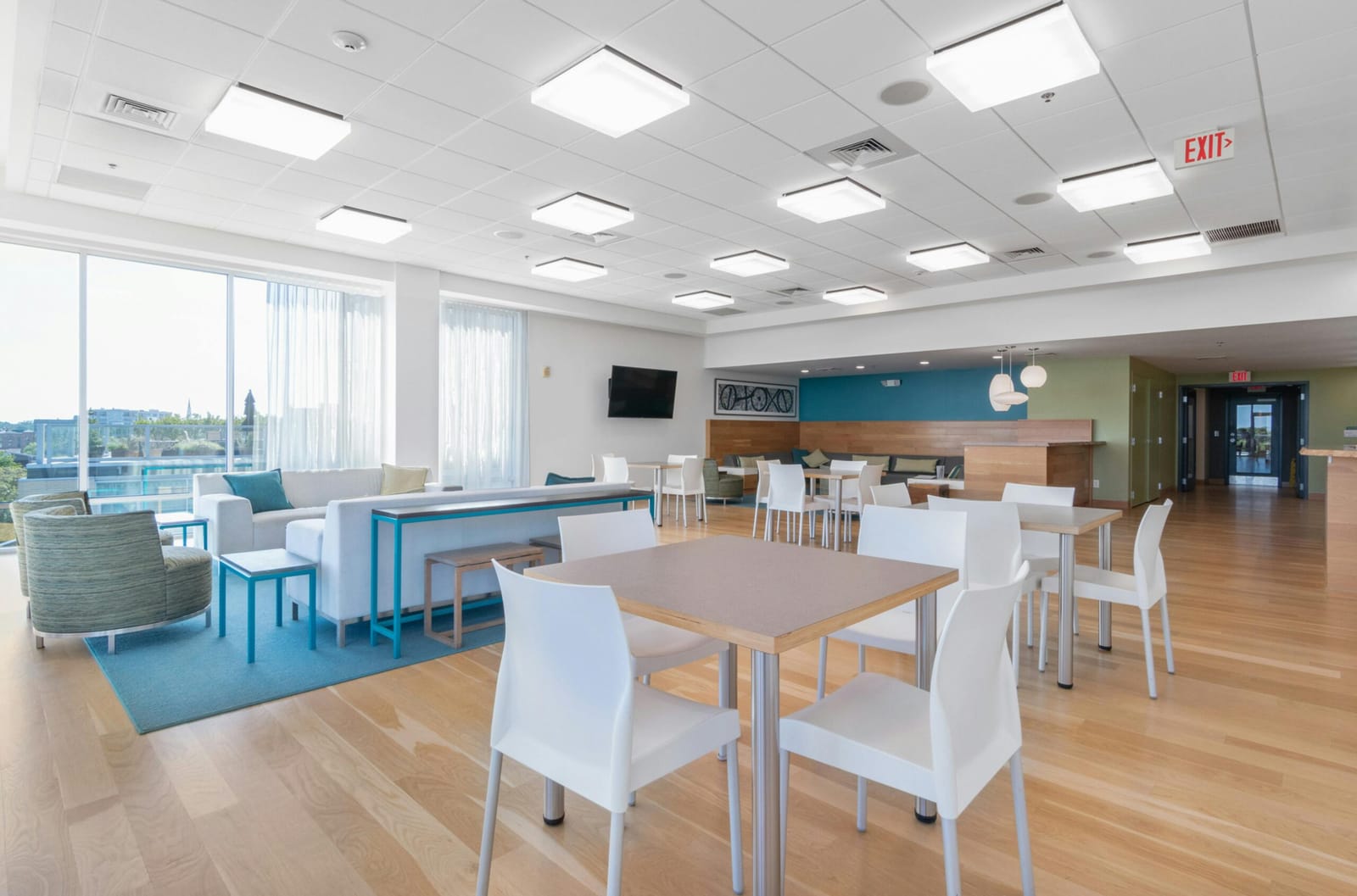
The institute has 10 classrooms, a computer area, a student cafe and a shared common area. Visits can be booked in advance, though an appointment stays provisional until the institute sends a formal confirmation email. If you are weighing up a course, seeing the building and meeting staff is a sensible first step.
Where you live matters as much as where you study. Student Services works with partner hotels and chooses host families to give international students a safe and welcoming base. The application form also lets you ask for a host family, a shared apartment or a private apartment. Our guide on where to stay in Malta explains how the island's areas differ.
Time outside class is part of the appeal. The institute runs excursions, and afternoons on the General English schedule are free. Malta's capital is a pleasant trip away, and our Valletta guide and things to do in Malta pages offer ideas, while our best beaches in Malta guide is handy for weekends.
Getting started and getting in touch
Applications are made through the institute's own form, which asks for your nationality, whether you are a student or a parent, your accommodation needs and your current English level. The institute aims to reply to enquiries within 48 hours. For travel from the UK, our flights to Malta page covers the routes.
The institute also recruits language teachers. It looks for native or C2 level fluency, relevant teaching experience or a recognised qualification, and a valid ELT permit or clear eligibility for one in the case of English teachers. A separate Teacher Training Programme exists for strong linguists with a degree who have no formal teaching experience.
If a course interests you, use the VisitMalta.co.uk enquiry form on this page. Tell us which course you have in mind, when you would like to start and whether you need accommodation, and we will pass your message to EEC-ITIS Malta.
Questions about EEC-ITIS Malta
What does EEC-ITIS Malta teach?
It teaches English, German, Italian, Spanish, French, Maltese and Arabic through its language school, and runs certificate, diploma, higher diploma and degree courses in tourism and hospitality management. It also offers IELTS preparation and Erasmus+ teacher training.
Where is the institute?
The institute is at 4, EEC-ITIS Building, Triq S. Pietru, San Ġwann SGN 2310, Malta. The administration office is open Monday to Friday from 8:30 to 17:00 and is closed on Saturday and Sunday.
How old do you have to be to take the English courses?
The General English, Intensive English, one-to-one and IELTS courses are open to learners aged 18 and over. The institute welcomes adults from many countries, and the average student age is 26.
How many hours of English are there each week?
General English has 20 lessons, or 15 hours, each week. Intensive English, one-to-one English and IELTS preparation each add 10 further lessons, which brings the weekly total to 22.5 hours.
Do I need to take a test before I start?
Yes. English students take a placement test before the course begins. It is not a pass or fail exam, and it makes sure you join a class at your level. Regular progress checks follow.
What English level do I need for IELTS preparation?
You need at least a B1, or intermediate, level of English on the CEFR scale and must be 18 or older. The course combines general English with IELTS tasks, timing practice and regular mock tests.
Can teachers from the UK train in Malta?
Yes. The Erasmus+ teacher training courses cover classroom technology, CLIL for primary and secondary teachers, and Maltese culture. Each has 30 lessons a week. Entry levels range from A2 to B1 English, and the culture course is open to all levels.
Does the institute help with accommodation?
Student Services works with partner hotels and selects host families, and the application form offers host family, shared apartment and private apartment options. Send your needs through the VisitMalta.co.uk enquiry form and we will pass them on.
Practical information
EEC-ITIS Malta Tourism and Languages Institute is at 4, EEC-ITIS Building, Triq S. Pietru, San Ġwann SGN 2310, Malta. The administration office is open Monday to Friday, 8:30 to 17:00, and closed on Saturday and Sunday. Campus visits can be booked, and a visit is provisional until the institute sends a formal confirmation email. To ask about a course, accommodation or a visit, send your details through the enquiry form on this page and VisitMalta.co.uk will pass your message to the institute.
Location
Other language schools in malta to compare
Listed under
The details on this page were correct on 25 October 2026, as published on the EEC-ITIS Malta website. Services, prices and hours can change, so please confirm when you enquire.