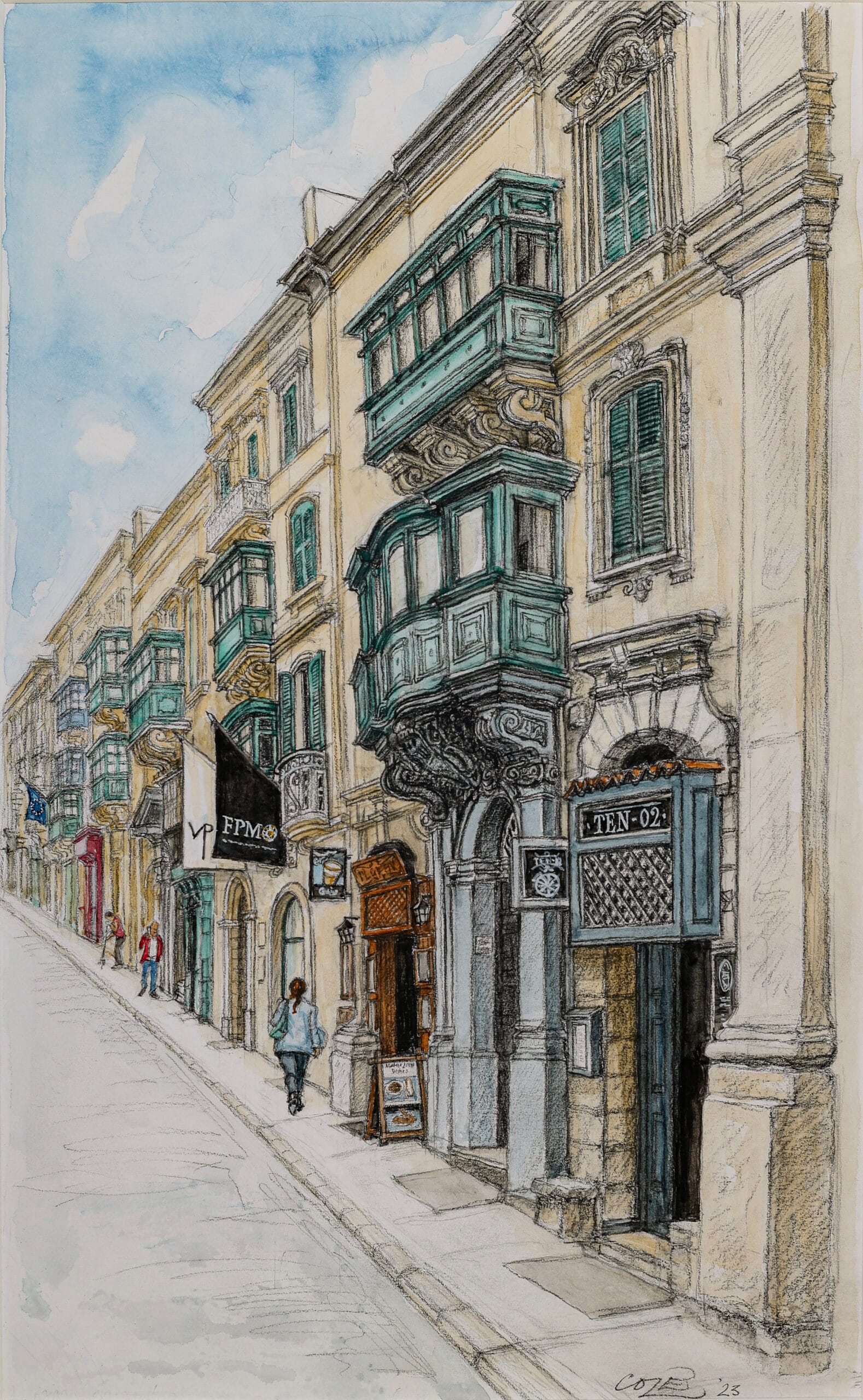
Victor Pasmore Gallery
Art Gallery and Pasmore Collection · APS House, St Paul's Street, Valletta, Malta
Enquire through VisitMalta.co.ukServices, hours and details last checked against Victor Pasmore Gallery's own published information.
The Victor Pasmore Gallery is an art gallery in APS House on St Paul's Street, Valletta. It holds a permanent collection of work by the British abstract artist Victor Pasmore, who lived in Malta, and stages exhibitions of twentieth century Maltese art. Send your questions through the VisitMalta.co.uk enquiry form on this page and we will pass them on to the gallery.
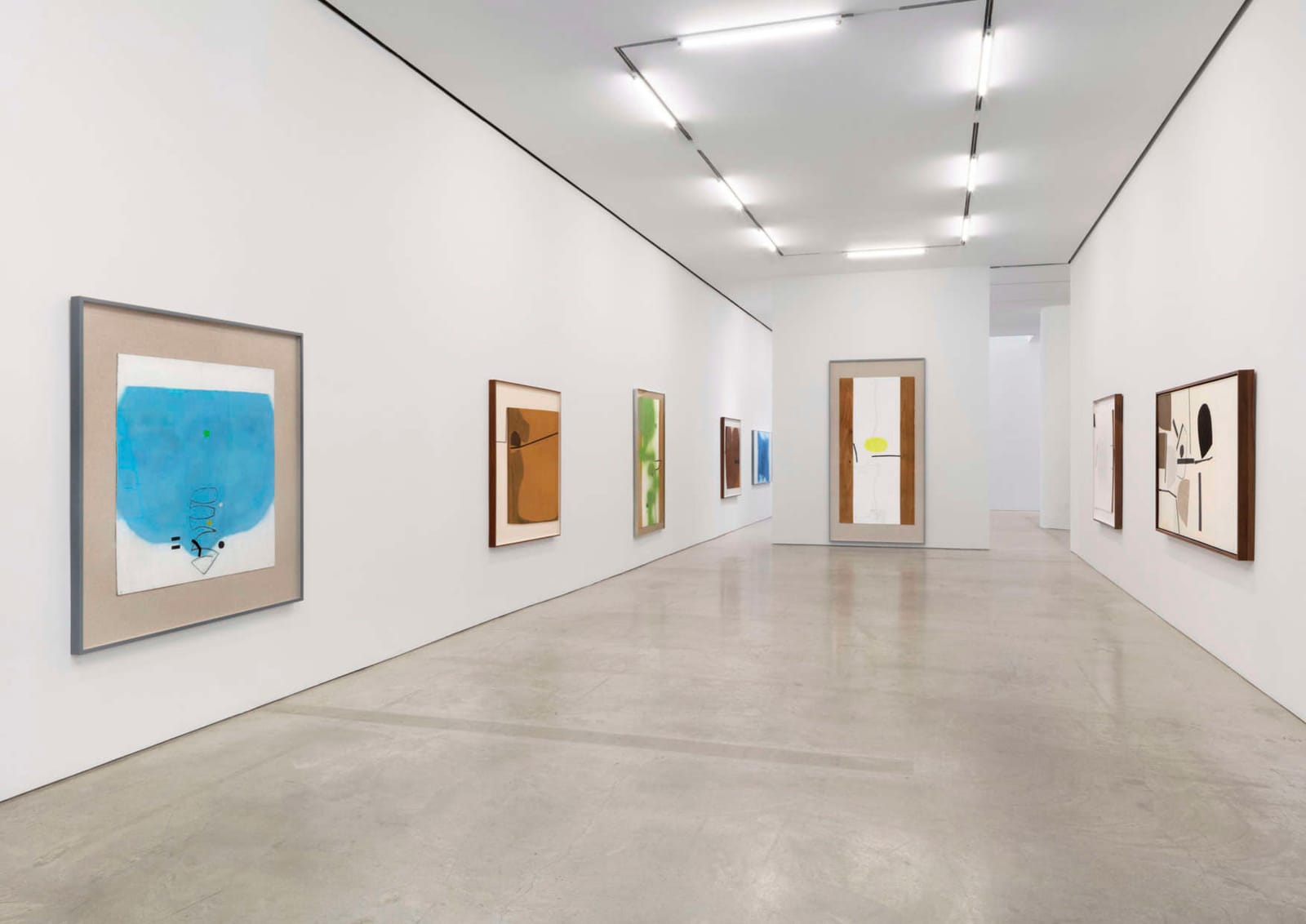
The Victor Pasmore Gallery is a small, serious art museum in the heart of Valletta, devoted to one of Britain's most influential abstract painters and to the Maltese artists who worked around him. Pasmore was born in Surrey in 1908 and settled on Malta in the 1960s, and the gallery now keeps a permanent collection of his paintings, reliefs and drawings in a restored building on St Paul's Street.
For a UK visitor it is an unusual and rewarding stop. You will find a major figure from your own national art story shown in a Mediterranean setting, alongside a rotating display of twentieth century Maltese painters and sculptors you may not have met before. It sits comfortably into a day of wandering the capital, and our Valletta guide shows how much else is close by.
Who was Victor Pasmore?
Victor Pasmore lived from 1908 to 1998 and is counted among the leading figures of twentieth century abstract art. Born in Chelsham in Surrey, he showed an early gift for landscape painting, went on to study the French Impressionists and spent evenings at the Central School of Art. He helped found the Euston Road School and joined the London Artists' Association, which placed him in the thick of the modern British art scene.
He was also an influential teacher. Pasmore directed painting at Camberwell School of Art from 1943 to 1949, lectured in London in 1949 and then headed the painting department at Durham University from 1953 to 1961. There he introduced a foundation course called The Developing Process, which helped drag British art education away from its older habits. International fame followed his appearance at the Venice Biennale of 1960.
That same period led him to Malta. In 1966 he bought and adapted a farmhouse in Gudja, and he later made it his permanent home with his wife Wendy and their two children. He formed close friendships with Maltese artists and thinkers and went on working, searching for new relationships of form, colour and space, until his death in 1998. His work is held by the Tate Modern, the Royal Academy of Arts, the Museum of Modern Art in New York and other leading collections.
The building on St Paul's Street
The gallery occupies APS House, which has its own story. In 1914 APS Bank moved its headquarters and members' club from Palazzo Caraffa on St Christopher Street to this more central address in Valletta, and the building took the name APS House. The bank stayed until the early twenty first century, when it moved to Republic Street.
In 2021 APS agreed with Fondazzjoni Patrimonju Malti to turn the old headquarters into a modern gallery for the Pasmore collection. The collection had previously been shown in the gunpowder store on the St James Counterguard, so the move to a seventeenth century palazzo gave it far more space. The restoration and renovation were carried out with financial help from the Malta Airport Foundation.
The layout is simple to follow. The upper floor holds the permanent display of Pasmore's work, while the second floor is given over to changing exhibitions of Maltese twentieth century art, many of them lent from public and private collections. Walking through the rooms, you see how the gallery sets one artist's lifetime of experiment beside the wider story of modern art on the islands.
The permanent Pasmore collection
The core of the gallery is its permanent collection, built up to make a lasting record of abstract art and to form an important part of Malta's artistic heritage. It includes work Pasmore made in Malta and work he made elsewhere, and it supports further research into his career.
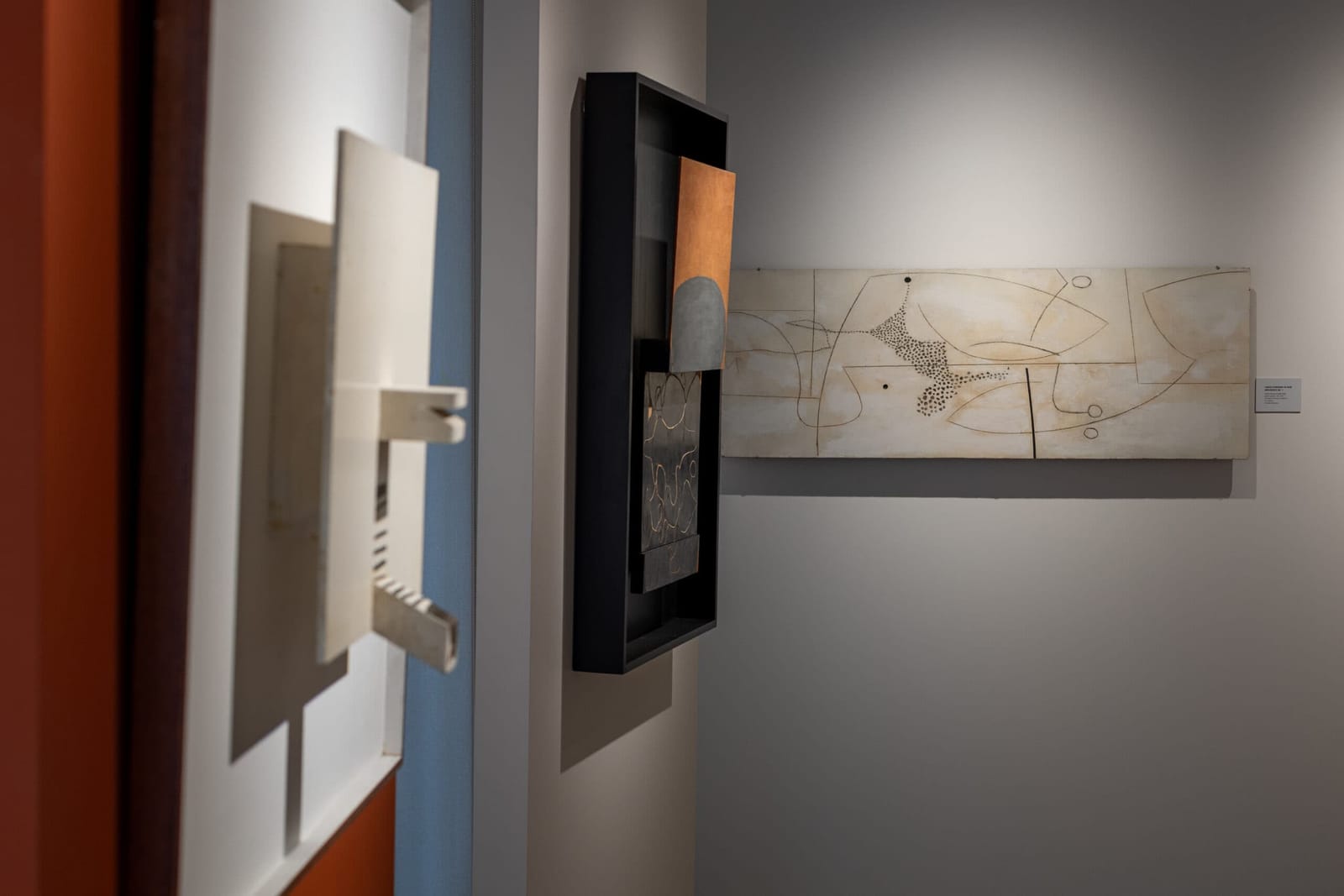
Among the works named on display are Projective Image in White, Black and Umber from 1970, a relief painting in which shapes project from the board; A Harmony of Opposing Forces from 1962; Linear Symmetry in Five Movements, made between 1969 and 1977; and Green and Indigo from 1969, painted on a curved board. Later pieces include The Eye and the Symbol from 1990, The Fall of Icarus from 1992 to 1995 and Space, Life and Time from 1991.
Pasmore wrote and spoke about his work, and the collection pages quote him at length. He described his method as constructing from within rather than abstracting from nature, and he compared his compositions to music built from formal elements with no descriptive purpose. Other pieces draw on literature, such as a work inscribed with verses from a Rudyard Kipling poem. Of his adopted home he said that Malta was a poet's island, and he hoped it would stay that way.
Maltese modern art on the second floor
Alongside the permanent collection, the gallery sets out to promote Maltese modern artists. The story it tells begins after the Second World War, when artists reacting against rigid teaching at the Malta Government School of Art formed the Modern Art Circle in 1952, with George Preca as its first president. The group was renamed the Modern Art Group and later became Atelier '56, holding exhibitions and producing catalogues to win over a sceptical public.
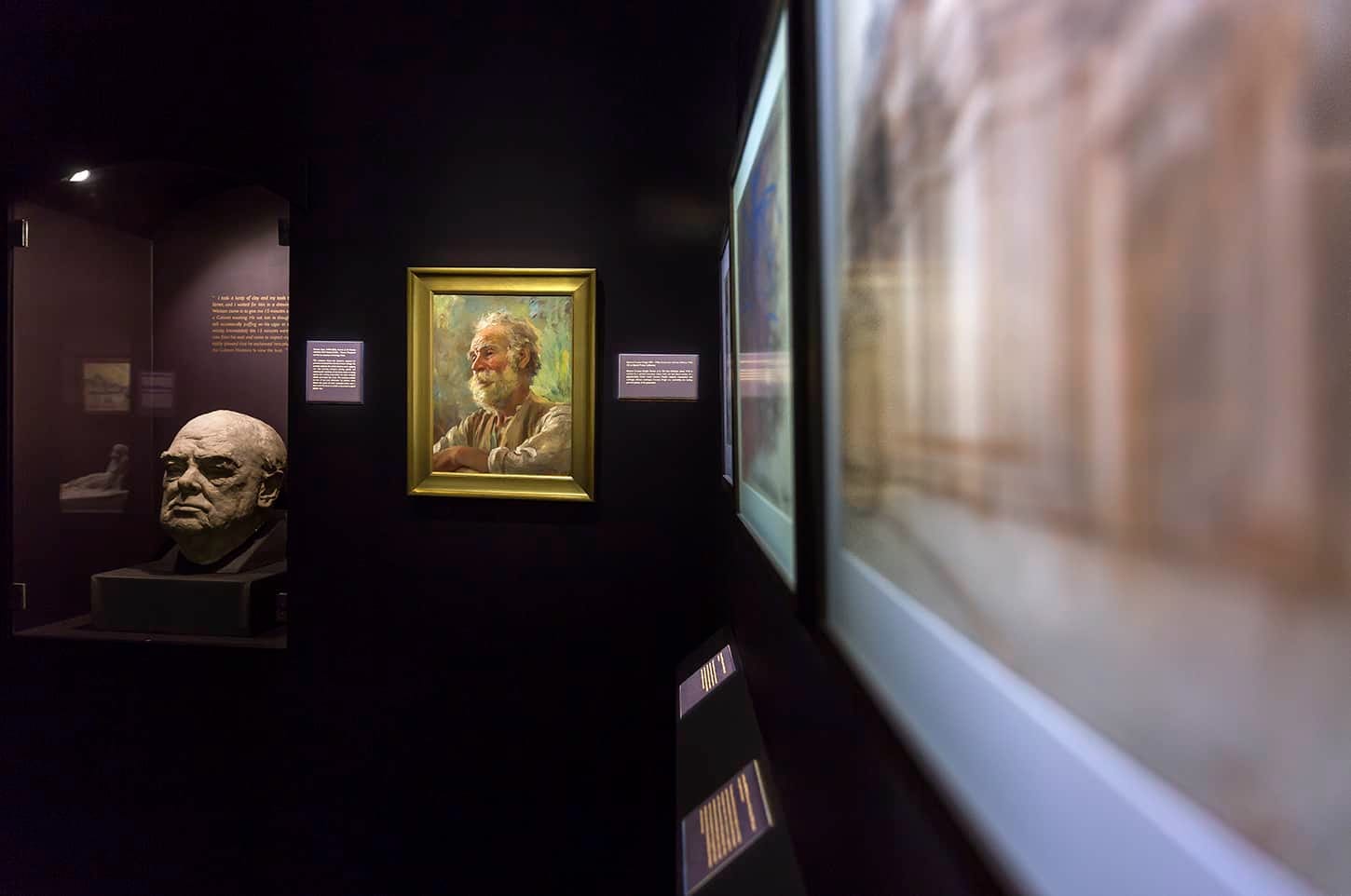
Featured artists include Isabelle Borg, Vincent Apap, Emvin Cremona, Josef Kalleya, Willie Apap, Gabriel Caruana, Carmelo Mangion, Toni Pace, Victor Diacono, Antoine Camilleri, Antonio Sciortino, Frank Portelli, Alfred Chircop and Esprit Barthet. Works from this group rotate through the displays, so a return visit may show you something new.
The loan displays come with short artist biographies that help a newcomer. Frank Portelli moved from figurative painting into abstraction, and his Contours series of the early 1970s drew on topographic maps and aerial views from his earlier work with the Air Ministry. Isabelle Borg, a British Maltese painter, studied at Camberwell College of Arts in London. Gabriel Caruana, a close friend of Pasmore, converted an eighteenth century mill into an arts centre, and Emvin Cremona is remembered for his stamp designs as well as his experimental glass collages.
Exhibitions, talks and events
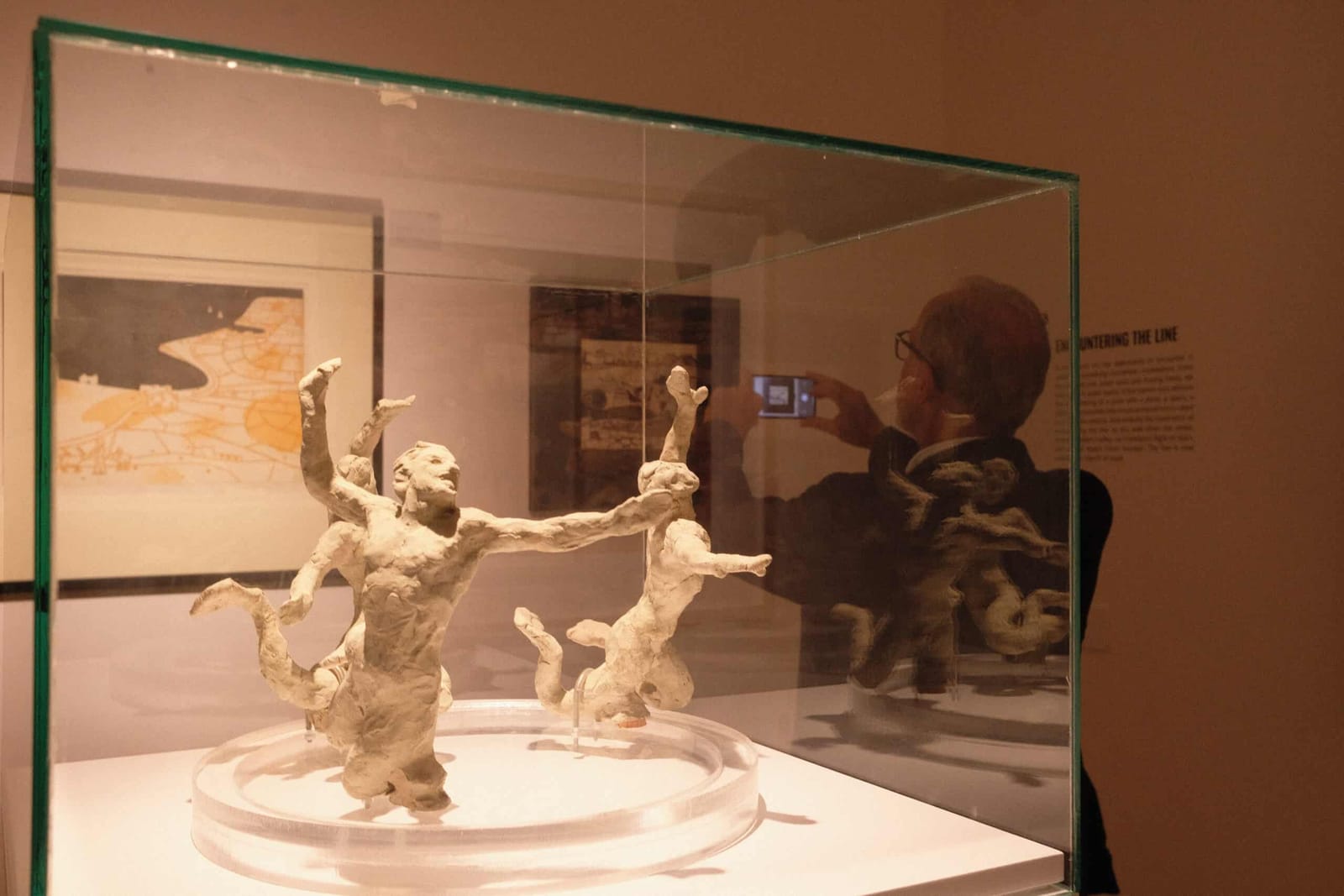
The gallery runs a programme beyond the permanent rooms. Recent and past exhibitions have included Burning Waters, The Glass Collage, The Eye and the Symbol, In Search of Line and Willie Apap Revelations, with Public, Play, Private shown as an upcoming exhibition. Each pairs works with context so that visitors can follow the ideas rather than simply look at pictures.
Events have ranged from Friday Talks and Lunchtime Tours to curatorial tours, open mic evenings, translation workshops and children's workshops, as well as a conference linked to Burning Waters and a Malta on the Silver Screen programme. Families will be pleased to see that younger visitors are catered for, and anyone planning a trip can ask us about current dates through the enquiry form.
Two further resources are worth knowing about. A free digital guide to the gallery can be downloaded before you arrive, and a gallery shop offers items connected to the collection. A digitisation project is also under way, and the site accepts research requests for those studying Pasmore's work.
The foundations behind the gallery
Two organisations stand behind the gallery. The Victor Pasmore Foundation was set up in Malta in July 2012 by Wendy Pasmore and the couple's children, John and Mary Ellen. It is a voluntary body that aims to assemble a permanent collection of Pasmore's work from Malta and abroad and to encourage research into it.
Fondazzjoni Patrimonju Malti, the heritage foundation that runs the gallery, was started in 1991 by a small group worried about the state of the country's artistic patrimony. It was formally established in January 1992 under the Ministry for Culture, and its first show, of antique Maltese clocks, opened that May. It also publishes Treasures of Malta, a magazine on the history, art and culture of the islands, three times a year, and welcomes donations and corporate patrons.
Visiting from the UK
It combines well with the baroque interior of St John's Co-Cathedral and the views from the Upper Barrakka Gardens. Anyone curious about the island's deeper past can read our guide to the Knights of Malta before setting out.
If you are building a longer trip, our page on things to do in Malta has ideas for the rest of your stay, and hotels in Valletta lets you stay within walking distance. Art lovers moving to the islands may also like our Malta relocation guide, and the wider art galleries directory lists other places to see work.
The gallery is in APS House on St Paul's Street, so head for that street on foot.
Getting in touch
Whether you want to ask about a particular work, a group visit, a talk, a research request or ways to support the foundation, the quickest route is the VisitMalta.co.uk enquiry form on this page. Add a few lines about what you have in mind and when you plan to be in Valletta, and we will pass your message to the gallery.
Questions about Victor Pasmore Gallery
Where is the Victor Pasmore Gallery?
The gallery is in APS House on St Paul's Street in Valletta, in a seventeenth century palazzo that was once the headquarters of APS Bank. It is in the old capital, so it is easy to reach on foot from the other sights.
What can I see at the gallery?
The upper floor holds the permanent collection of work by Victor Pasmore, including projective paintings, reliefs and later canvases. The second floor shows changing displays of twentieth century Maltese art, many lent from public and private collections.
Who was Victor Pasmore?
Victor Pasmore lived from 1908 to 1998 and was a British artist and teacher who became a leading figure in abstract art. He settled in Malta after buying a farmhouse in Gudja in 1966 and lived there until his death.
Which Maltese artists are shown?
Featured artists include Esprit Barthet, Gabriel Caruana, Emvin Cremona, Victor Diacono, Josef Kalleya, Frank Portelli, Antonio Sciortino and Isabelle Borg, among others. Works are rotated, so what is on view changes from time to time.
Does the gallery run talks, tours or workshops?
Yes. Past and current events include Friday Talks, Lunchtime Tours, curatorial tours, open mic evenings, translation workshops and children's workshops. Use the enquiry form on this page and we will pass your question about dates to the gallery.
Who runs the gallery?
The gallery is run by Fondazzjoni Patrimonju Malti, a heritage foundation established in 1992 under the Ministry for Culture. The Victor Pasmore Foundation, set up in 2012 by Pasmore's family, supports the collection.
Is there a gallery shop or a guide for visitors?
There is a gallery shop, and a free digital guide to the gallery can be downloaded in advance. If you would like help with either before your visit, send your question through our enquiry form.
How do I contact the gallery from the UK?
Use the VisitMalta.co.uk enquiry form on this page. Tell us what you would like to know, such as a group visit, a talk or a research request, and we will pass your message to the gallery.
Practical information
The Victor Pasmore Gallery is in APS House on St Paul's Street, Valletta. The collection is shown on the upper floor and rotating Maltese displays on the floor below. The gallery also has a shop and offers a free digital guide for visitors to download before arriving. To ask about a visit, a talk or tour, a research request or support for the foundation, send your details through the enquiry form on this page and VisitMalta.co.uk will pass your message to the gallery.
Location
Other art galleries in malta to compare
Listed under
The details on this page were correct on 25 October 2026, as published on the Victor Pasmore Gallery website. Services, prices and hours can change, so please confirm when you enquire.