40, Villa Fairholme, Sir Augustus Bartolo Street, Ta' Xbiex, XBX 1095, Malta
View and enquireMalta Business Directory
Currency Exchange in Malta
Browse 5 listed currency exchange in malta. Compare locations, then send an enquiry through VisitMalta.co.uk.
5 listed businesses
Exclusive featured partner
Currency Exchange is sponsored by CLA Malta
Company formationTax advisoryAccountingAudit and assuranceCorporate secretarialRegistered officeBusiness advisoryGlobal mobility
Speak to CLA MaltaCLA
MALTA
Built differently
Businesses listed under Currency Exchange in Malta

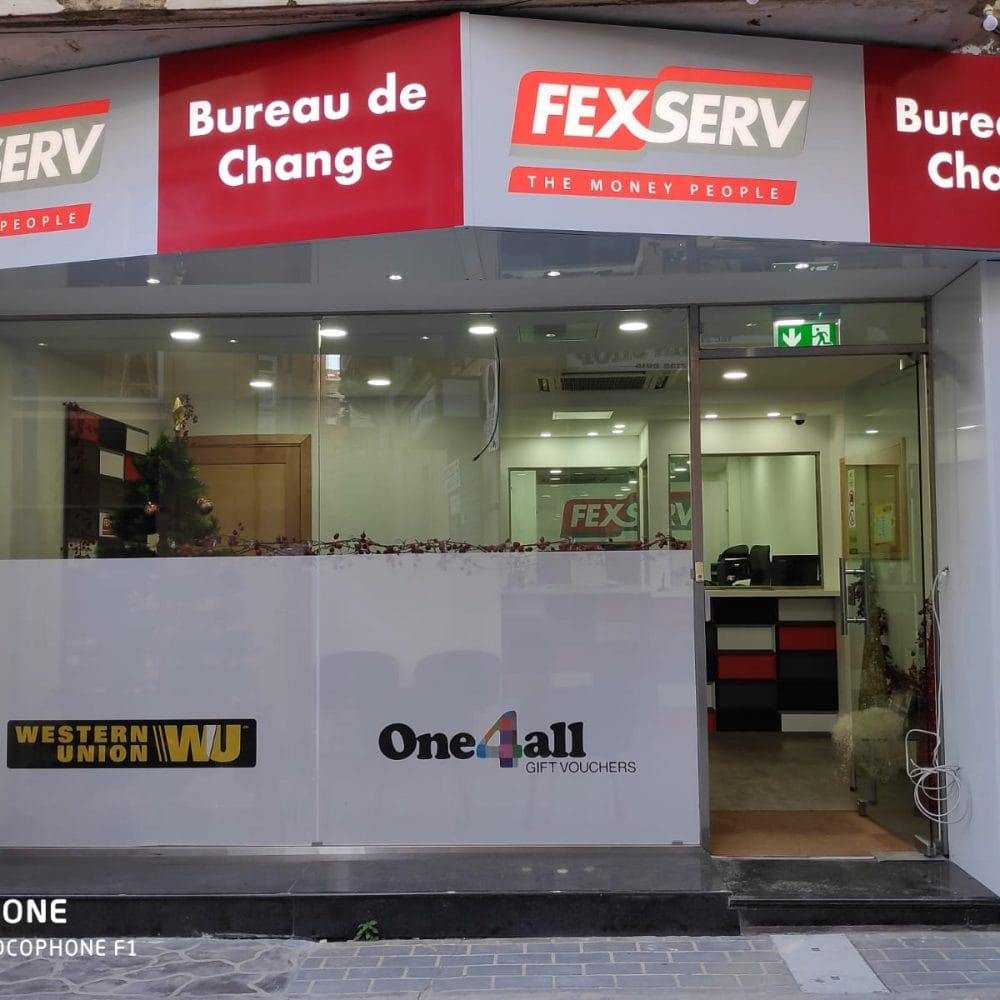
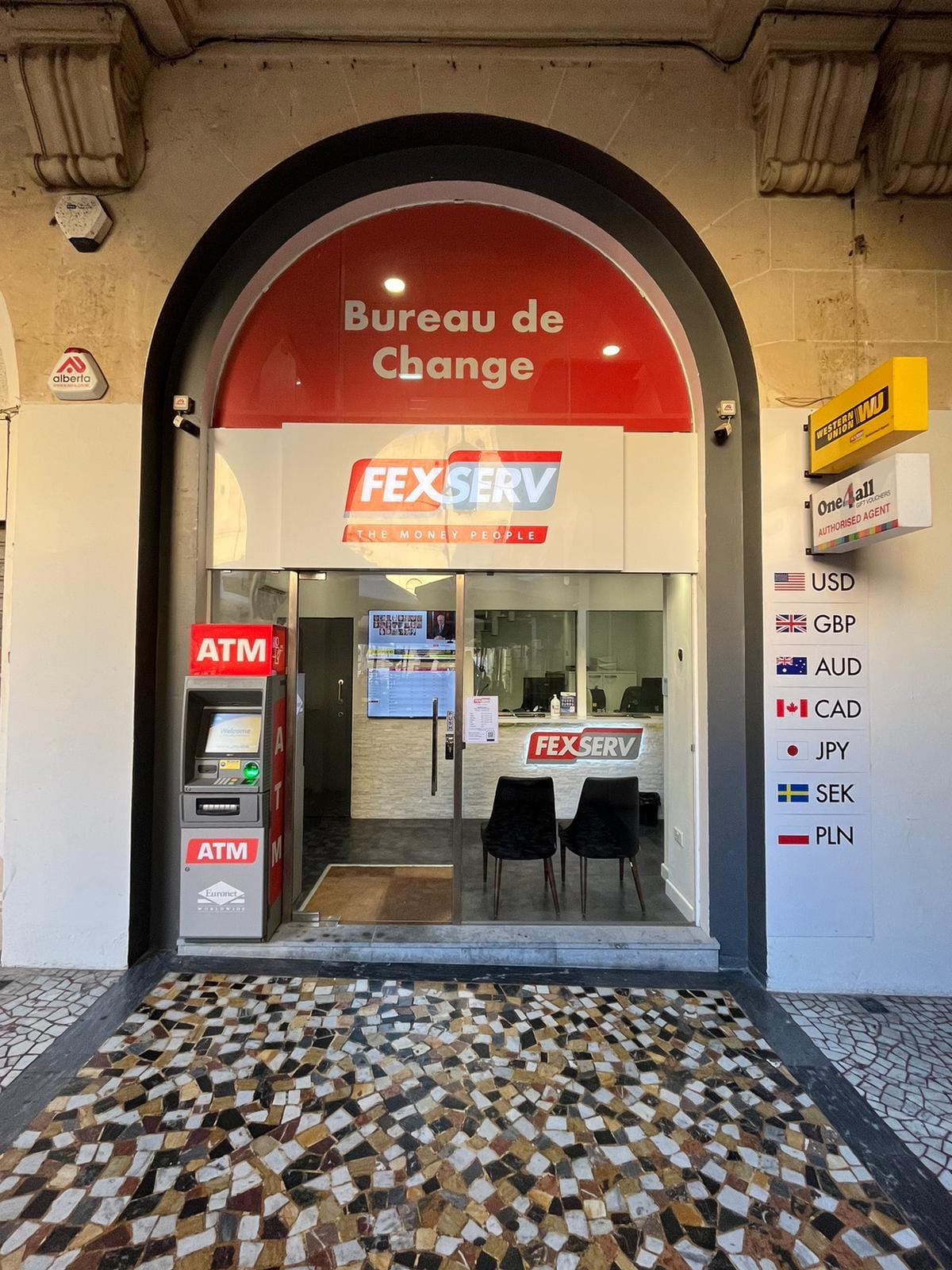
Money and currency exchange in Malta for UK visitors
Malta has used the euro since 1 January 2008, when it replaced the Maltese lira, so you will need euros for cash purchases rather than sterling. The businesses listed on this page include foreign exchange bureaux, money transfer agents and financial institutions in places such as Sliema, St Julian's, Msida, Mosta and Victoria in Gozo, which is handy if you prefer to change cash on arrival or need to send money abroad.
Many UK travellers now rely mostly on cards, and contactless payment is widely accepted in shops, cafés and restaurants in the main resorts. Cash is still useful for village kiosks, market stalls, festa food stands and some taxis and bars, so it is worth carrying a modest amount. Our guide to money and currency in Malta covers cards, cash machines and tipping in more detail.
How currency exchange is regulated in Malta
In Malta, businesses that offer foreign exchange or money remittance services operate as financial institutions licensed by the Malta Financial Services Authority, the MFSA, under the Financial Institutions Act. The MFSA keeps a public register of licensed entities and regularly publishes notices when a licence is surrendered or when it warns the public about unauthorised firms, so checking the register before you hand over a large sum is a sensible step.
Banks also handle currency, although they tend to focus on their own customers. If you are moving to Malta or running a company here, our guides to business banking in Malta and the banks listed in our directory explain how local accounts and international transfers usually work.
What to compare before you change money
Exchange providers earn money through the rate they offer and through any commission or fixed fee, so the headline rate on a board does not tell the whole story. Ask for the total number of euros you will receive for your pounds, or the total cost in pounds of the euros you need, and compare like with like. Rates at airports and in the busiest tourist streets are not always the same as those a short walk away.
When paying by card or using a cash machine, you may be offered the choice of paying in pounds rather than euros. This is known as dynamic currency conversion, and the conversion rate is set by the merchant or machine operator rather than your own card provider, so read the screen carefully before you confirm. Your bank or card issuer can tell you what its own fees are for spending abroad.
Sending money and larger transfers
Money transfer agents in Malta are used by residents sending wages home, by students and by people paying deposits on rentals or property. For anything substantial, such as a property purchase or business payment, ask the provider how the transfer is protected, how long it will take and which identity documents they need. Licensed firms must carry out identity checks, so take your passport and, where relevant, proof of address.
For larger personal or business transactions, it can be worth talking to a qualified adviser. Our directory of financial advisors in Malta lists firms that can explain the options, and our Malta airport guide covers the facilities available when you land.
Using the listings on this page
Each listing shows the provider's town and the details they have shared with us. Opening hours vary, and smaller agencies may close for lunch or keep shorter hours on Saturdays, so contact the business before travelling across the island. If something goes wrong with a licensed financial services provider and you cannot resolve it directly, the Office of the Arbiter for Financial Services is the independent body that handles complaints in Malta.
What currency is used in Malta?
Malta uses the euro. It replaced the Maltese lira on 1 January 2008, and sterling is not generally accepted in shops, so you will need euros or a card that works abroad.
Is it better to change money in the UK or in Malta?
It depends on the rates and fees offered at the time. Compare the total amount of euros you will receive from each provider, including any commission, rather than looking only at the advertised rate.
Who regulates currency exchange businesses in Malta?
Foreign exchange and money remittance businesses are licensed as financial institutions by the Malta Financial Services Authority. You can check whether a firm is licensed on the MFSA's public register.
Can I pay by card everywhere in Malta?
Cards are widely accepted in towns and resorts, but some small kiosks, market stalls and village bars prefer cash. Carrying some euros in cash is sensible, particularly if you are visiting during festa season.
Should I pay in pounds or euros when my card is abroad?
If a card machine or cash machine offers to charge you in pounds, the conversion rate is set by the merchant or operator. Many travellers choose euros and let their own card provider convert, but check your bank's fees first.
What do I need to send money abroad from Malta?
Licensed transfer providers must verify your identity, so bring your passport and be ready to explain the purpose of larger payments. Ask about fees, exchange rates and delivery times before you commit.
Sources
Malta Financial Services Authority: guide to the authorisation of financial institutions, European Central Bank: Malta's changeover to the euro, Central Bank of Malta: frequently asked questions. Information checked 27 October 2026.