Important: This guide provides general business, tax and regulatory information. The appropriate structure and outcome depend on the complete facts and every connected jurisdiction.
The direct answer
A Malta international trading company buys and sells goods or services across borders. Malta suits it because it is an EU member with an English-speaking business culture, a company tax system with shareholder refunds, and, according to KPMG's April 2024 guide to Malta's tax system, no withholding tax on dividends, interest or royalties.
Incorporating in Malta does not by itself create a trading business. The company needs real people who negotiate and decide, contracts in its own name, and records that show it. Our guides to company substance requirements and management and control explain what the authorities and banks look for.
Company profits are taxed at 35 percent. Where the six sevenths shareholder refund applies, the effective rate falls to 5 percent, and where five sevenths applies it falls to 10 percent. The refund is claimed by shareholders after the company has paid the tax, so it is never automatic. Read corporate tax refunds explained before you plan around it.
Why traders look at Malta
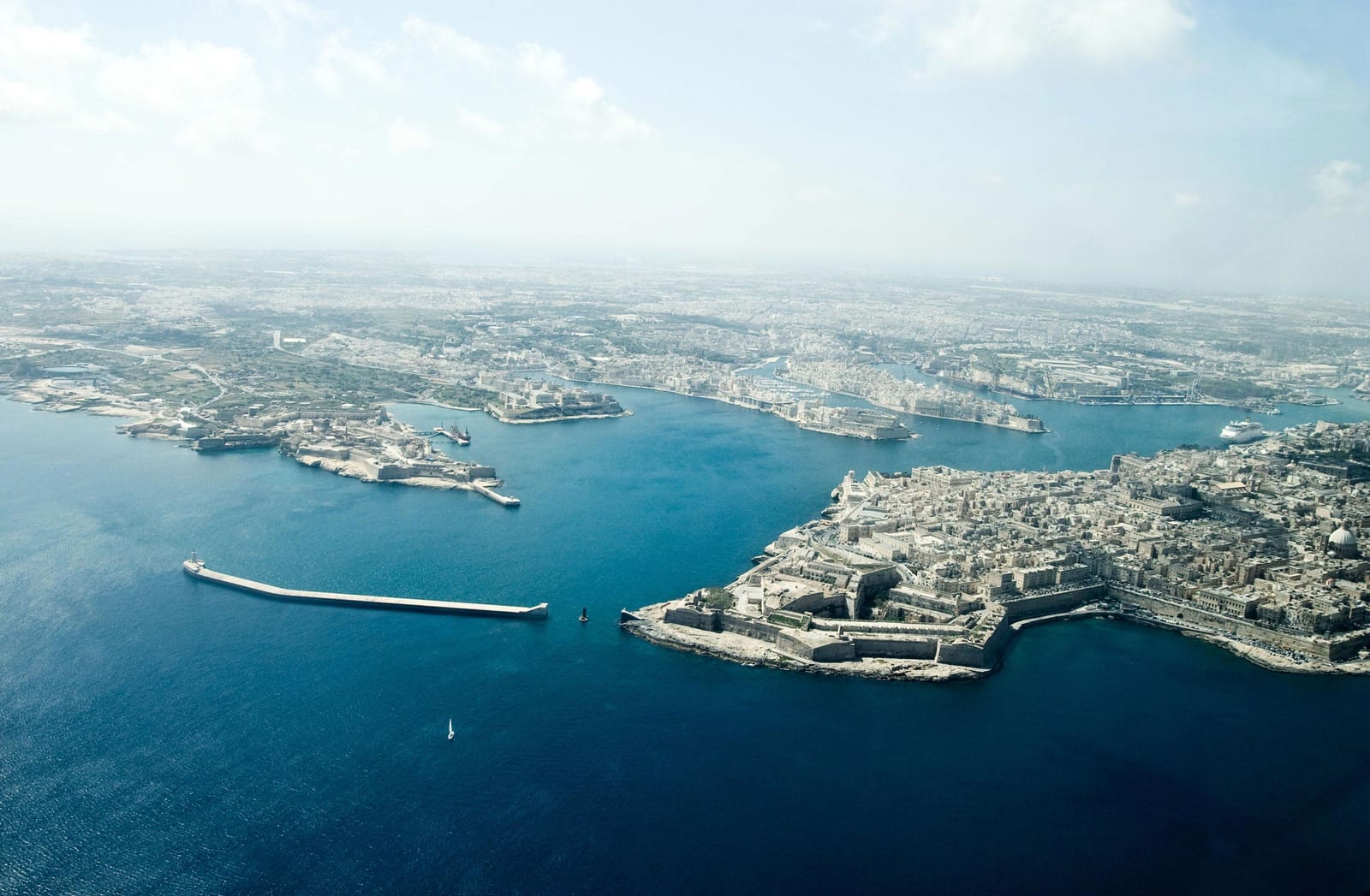
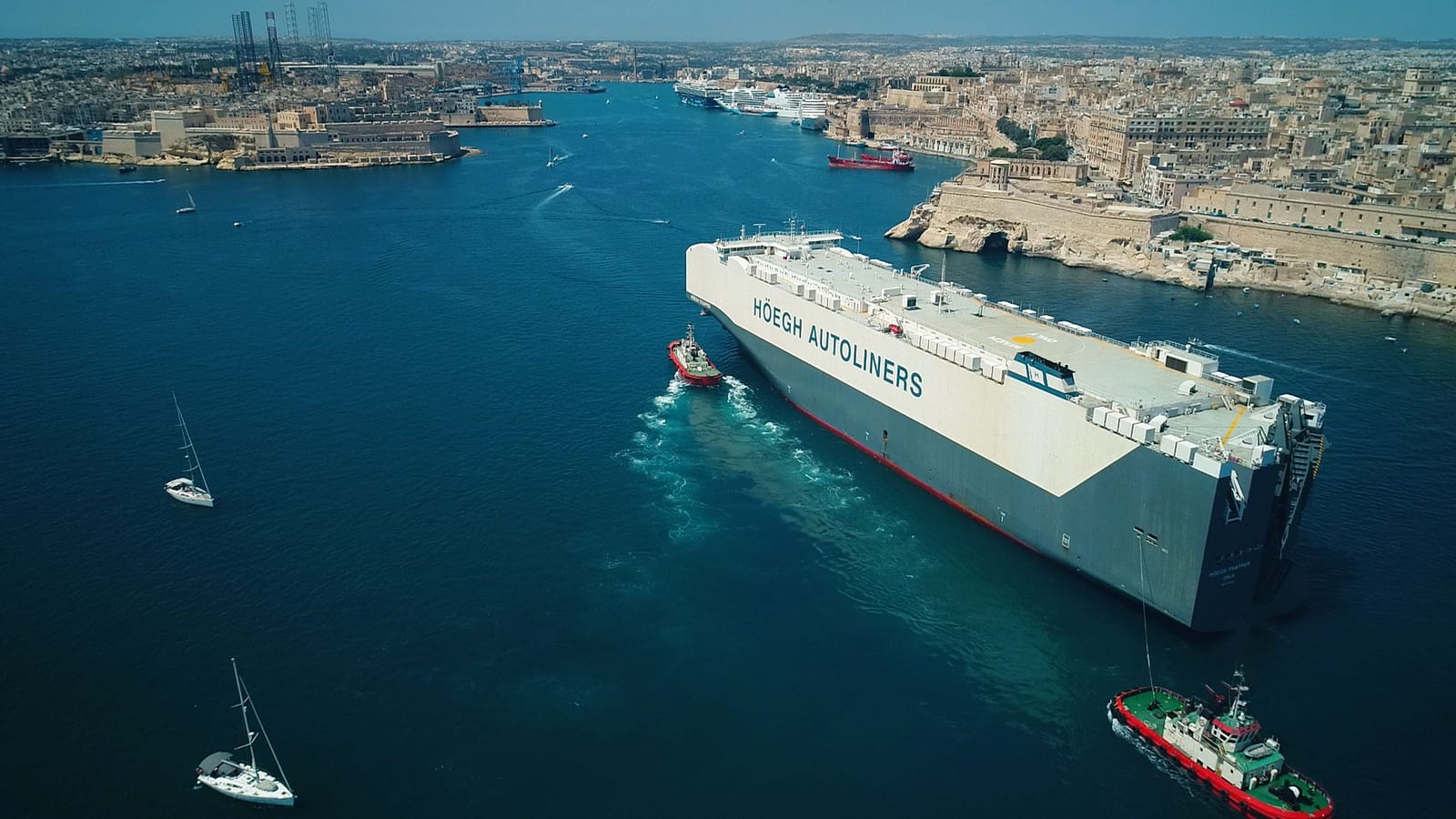
Malta sits in the middle of the Mediterranean, and its ports show how much of its economy is about moving goods that belong to other countries. Malta Freeport Terminals describes itself as a strategic transhipment hub in the Mediterranean. Its own website lists 2.87 million TEUs and 1,495 ship calls in 2025, and says around 96 percent of its container traffic is transhipment business.
That matters to a trader for practical reasons. Shipping lines, freight forwarders, customs brokers and couriers are already established here, and you can find them through the VisitMalta business directory. For parcels and documents, our courier companies in Malta list shows who operates locally.
Malta is also inside the EU single market, so a Malta company can sell to customers in other member states, and its owners can use the company formation process in English. For a UK owner, that combination of EU membership and a familiar legal language is the main attraction. It is not a shortcut around the rules, which is why the rest of this page is about what a trading company must actually do.
What a genuine Malta trading company does
A trading company earns its profit from buying and selling, so the evidence has to show that the buying and selling is really managed from Malta. Think about who in the company does each of these jobs, and where they do it:
- Negotiates prices and terms with customers and suppliers
- Signs contracts in the name of the Malta company
- Takes title to the goods, or carries the commercial risk if the goods never touch Malta
- Controls stock, shipping instructions and payment collection
- Carries credit risk and decides what to do when a customer does not pay
If those jobs are done by someone in another country and the Malta company only issues invoices, the structure will not stand up to a bank's questions or a tax authority's review. Companies incorporated in Malta are treated as resident and domiciled in Malta, but residence in Malta does not remove the need to look at where the business is really run and how other countries tax it. Our guide to Malta company management and control goes through the evidence, and the corporate tax structure guide shows how the pieces fit together.
Goods, customs and VAT
Moving goods raises questions that a services company does not face. Goods brought into the EU from outside normally need a customs declaration and an EORI number for the business making it. A company that sells goods will also have VAT to think about, including how sales to customers in other EU states and sales to customers outside the EU are treated, and where a shipment that never passes through Malta is taxed. Our Malta VAT registration guide sets out how registration works.
Customs and VAT rules are detailed and change, so confirm the current position with Malta Customs and the Commissioner for Revenue, or with an adviser, before the first shipment. Any structure that moves goods between countries should also be checked for the other countries' VAT and customs rules, because Malta's rules only cover the Malta end.
Banking is the other practical point. A trading company needs an account that can handle payments from many countries, and banks check the owners, the activity and the customers before opening one. Read our Malta business banking guide and look at the banks in Malta listed in the directory.
Tax in plain numbers
Malta taxes company profits at 35 percent, its highest rate. Malta then uses a full imputation system. When the company pays a dividend, the shareholder is entitled to a credit for the Malta tax that was paid, and can claim a refund of part of it. KPMG's guide gives the six sevenths refund as 30 percent of the 35 percent, leaving an effective rate of 5 percent, and a five sevenths refund, which applies to passive interest, royalties and dividends from holdings that do not qualify, as leaving 10 percent.
A simple illustration, using round numbers: if a company makes a profit of 100 euros, it pays 35 euros of Malta tax. Where the six sevenths refund applies, the shareholder claims back 30 euros, so the net Malta tax is 5 euros. The illustration is only arithmetic. Whether the refund applies to your income, and whether the company has the cash to pay it, is for your tax adviser.
KPMG also states that Malta does not impose withholding taxes on interest, royalties, dividends or proceeds from liquidation. That does not settle the owner's own position. A UK-resident owner is taxed in the UK according to UK rules, so read our Malta tax guide for UK owners and the page on tax incentives for UK business owners. For wider options see tax incentives for international businesses, and if the company will mostly own other companies rather than trade, read holding company taxation.
Setting up and what it costs
A private limited company needs authorised share capital of at least 1,164.69 euros, with at least 20 percent paid up when the memorandum is signed. The Malta Business Registry charges a registration fee that starts at 100 euros and rises to 1,900 euros where authorised capital exceeds 2.5 million euros, and an annual fee from 85 euros to 1,200 euros. A name reservation lasts three months, and once the documents are filed electronically the certificate of incorporation is typically issued within about 24 hours.
Those are the registry costs only. Professional fees for a corporate services provider, accounting and audit come on top and depend on how complex the structure is. Our company formation costs guide sets out the headings, the company documents page lists what the registry needs, and company formation in Malta gives the overall route. A trading company with goods and customers in several countries will usually need an audit as well.
Who you will need
Most trading companies need four professionals early on. A corporate services provider can handle incorporation, the registered office and company secretary duties. An accountant keeps the books and prepares the tax filings. A lawyer drafts the customer and supplier contracts. A bank opens the account.
CLA Malta is our featured corporate services partner, and you can send an enquiry through the form on the CLA Malta page. Whoever you choose, check their current regulatory status and the exact legal entity you would be contracting with before you engage them.
Readiness test for a Malta trading company
| Area | Question | Evidence to keep |
|---|---|---|
| Commercial | Who are the customers and suppliers, and why route the trade through Malta? | Business plan, customer and supplier contracts |
| People | Who negotiates and decides, and where do they work? | Director and staff roles, employment contracts, board minutes |
| Goods | Who takes title and who carries the risk while goods are in transit? | Sales terms, shipping documents, insurance |
| Customs and VAT | Which countries do the goods pass through and where is VAT due? | EORI number, customs declarations, VAT registrations |
| Money | How do customers pay, and how is working capital funded? | Bank account, payment records, funding agreements |
| Tax | Which income qualifies for a refund, and how is the owner taxed at home? | Written tax advice, refund calculations, owner tax position |
Practical scenario
A UK importer opening a Malta company to sell to EU customers
This is an illustration, not advice. A UK business imports building materials from suppliers outside the EU and sells them to contractors in several EU countries. It sets up a Malta company, appoints a director who lives in Malta, hires a sales manager to agree prices with customers, and signs the supplier and customer contracts in the Malta company name.
Before the first shipment the company registers for VAT, obtains an EORI number, opens a bank account that can take payments from several countries, and takes tax advice on the refund system and on the UK owner position. It approves the structure only after the combined cost and tax picture still makes commercial sense compared with trading from the UK.
Evidence and implementation checklist
- A written reason why Malta is the right place for the trade
- Directors and staff with real authority over buying and selling
- Customer and supplier contracts in the Malta company name
- Clear rules on who takes title to the goods and who carries the risk
- EORI number, customs and VAT registrations in place before the first shipment
- A bank account able to handle international payments
- Written tax advice for the company and for the owner
- Accounting records and an audit plan
Common questions
Can a UK owner set up an international trading company in Malta?
Yes. A professional firm that forms Malta companies states that there are no nationality or residency requirements for shareholders, and directors can be people or companies. The real question is whether the company will have the people, contracts and records of a genuine trading business, and how the owner is taxed at home. Start with our company formation in Malta guide.
What tax does a Malta trading company pay?
Company profits are taxed at 35 percent. Shareholders can then claim a refund of part of the tax when profits are distributed. Where the six sevenths refund applies the effective rate is 5 percent, and where five sevenths applies it is 10 percent. See corporate tax refunds explained for how claims work.
Is the 5 percent rate automatic?
No. The company pays 35 percent first and the shareholders then claim the refund, so the benefit depends on the type of income, the conditions being met and the refund being claimed correctly. Take advice from a tax adviser or an authorised corporate services provider.
Does Malta charge withholding tax on dividends?
KPMG states in its April 2024 guide that Malta does not impose withholding taxes on interest, royalties, dividends or proceeds from liquidation. Your home country may still tax what you receive, so check the owner position as well. Our Malta tax guide for UK owners covers the UK side.
How much does it cost to register the company?
The Malta Business Registry registration fee starts at 100 euros and rises to 1,900 euros for authorised capital above 2.5 million euros. The annual fee runs from 85 euros to 1,200 euros. Professional fees come on top. The company formation costs page lists the headings.
How long does it take?
Once the name is approved and the documents are filed electronically, the certificate of incorporation is typically issued within about 24 hours. A name reservation lasts three months. Opening a bank account is a separate step with its own checks, so allow extra time. Our company process guide sets out the order.
What substance does a trading company need?
It needs real activity: people who negotiate and decide, contracts in the Malta company name, and records that match. An invoicing shell with all decisions made elsewhere is the pattern that draws questions. Read company substance requirements.
Do I need to register for VAT?
A company that sells goods will normally need to look at VAT registration, and the rules for sales to other EU countries and to customers outside the EU differ. Our VAT registration guide explains the process. Confirm current rules with the Commissioner for Revenue or an adviser.
What do I need to import goods into the EU through Malta?
Goods entering the EU from outside normally need a customs declaration, and the business making it needs an EORI number. Confirm the current requirements with Malta Customs or a customs broker before your first shipment, and look at the shipping and courier businesses in the VisitMalta business directory.
How do I find an accountant or corporate services firm?
Use the VisitMalta directory to browse accountants, corporate services providers and lawyers. CLA Malta is our featured corporate services partner and you can enquire on the CLA Malta page.
Exclusive featured partner
Ask CLA Malta to assess the complete facts
CLA Malta can assess formation, governance, accounting, tax and ongoing compliance requirements, subject to client acceptance, due diligence and an agreed scope.
Official and primary sources
- KPMG Malta, Malta's Tax System (April 2024)
- KPMG Malta, company formation in Malta (share capital, fees, timing)
- Malta Business Registry
- Malta Freeport Terminals
Editorial status: Original VisitMalta.co.uk guidance checked against the sources above on 28 October 2026.