Valletta and the Grand Harbour from the air, by Valletta Cruise Port
Valletta Waterfront in Floriana: The Complete Guide for UK Visitors
The Valletta Waterfront is a quarter-mile row of eighteenth-century harbourside warehouses, painted in bright door colours, set below the bastions of Valletta in Floriana. Today it holds restaurants, shops, event spaces and a promenade beside the Valletta Cruise Port, and it makes an easy first stop for British holidaymakers and cruise passengers alike.
Written from Valletta Waterfront's own published information. Last checked .
Explore the waterfront by topic

Restaurants and bars
Harbour-view dining from pasta and Asian dishes to sunset drinks along the promenade.
Find out where to eat and drink, from casual lunches to relaxed evenings beside the water.
Explore restaurants and bars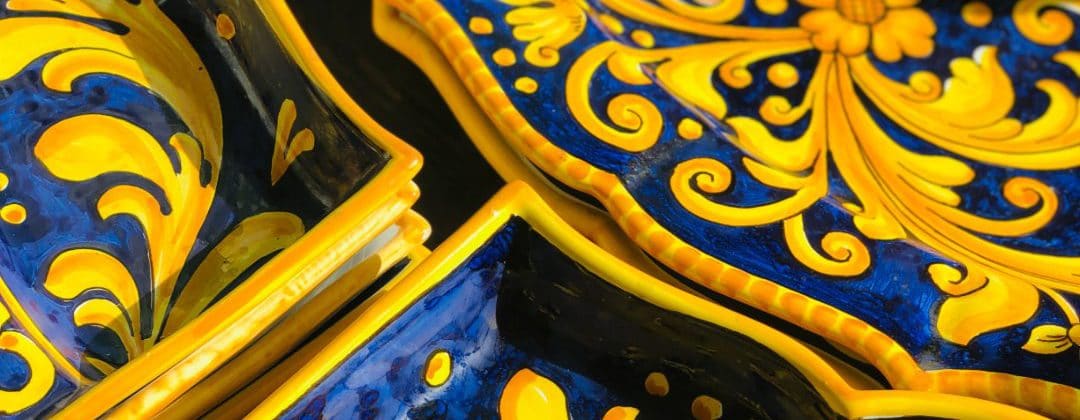
Shops
Maltese ceramics, glass, leather, jewellery and souvenirs in the old stores.
A guide to the kinds of shops you will find along the quay and what to buy.
Explore shops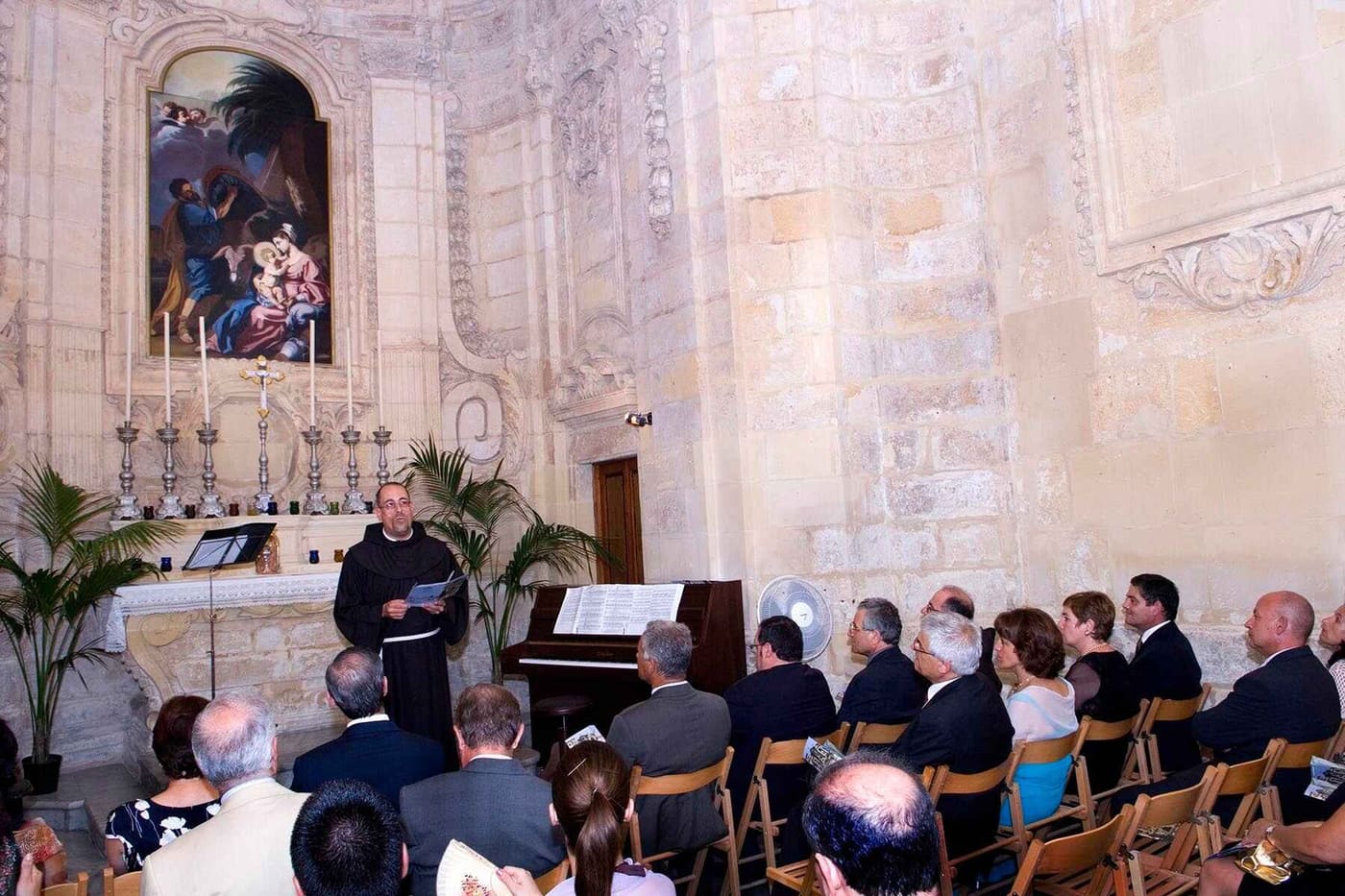
Attractions
Heritage, harbour views, a hidden chapel and a historic quay wall.
The sights and small discoveries worth your time, from the chapel to the waterfront memorial.
Explore attractions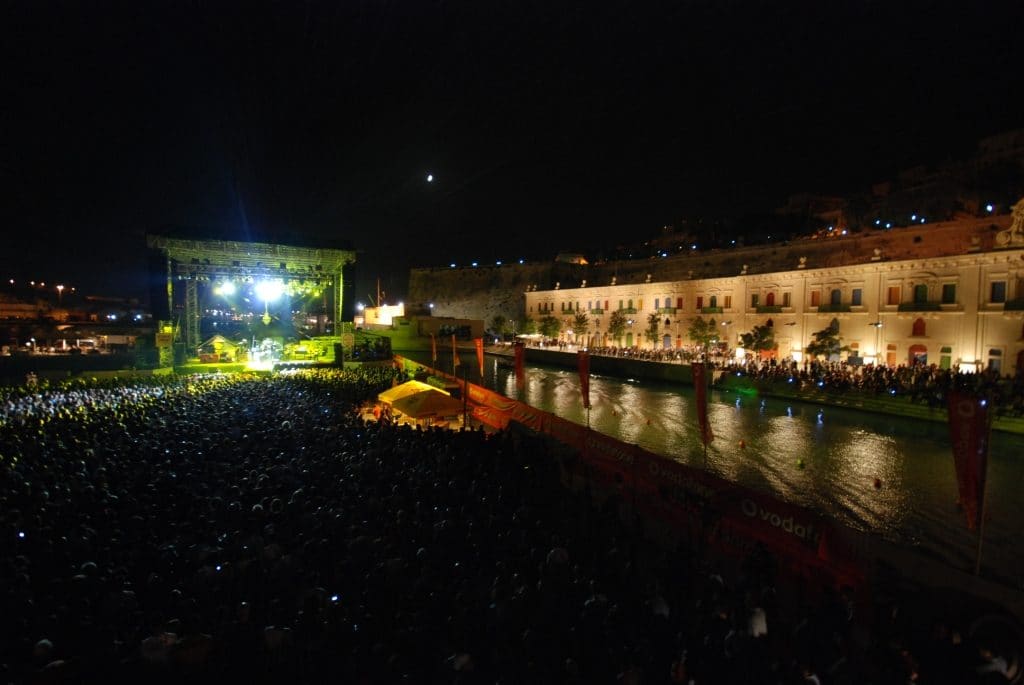
Events and venues
Free family activities, jazz, seasonal festivals and atmospheric historic venues.
What is on through the year and the unusual spaces that host it.
Explore events and venues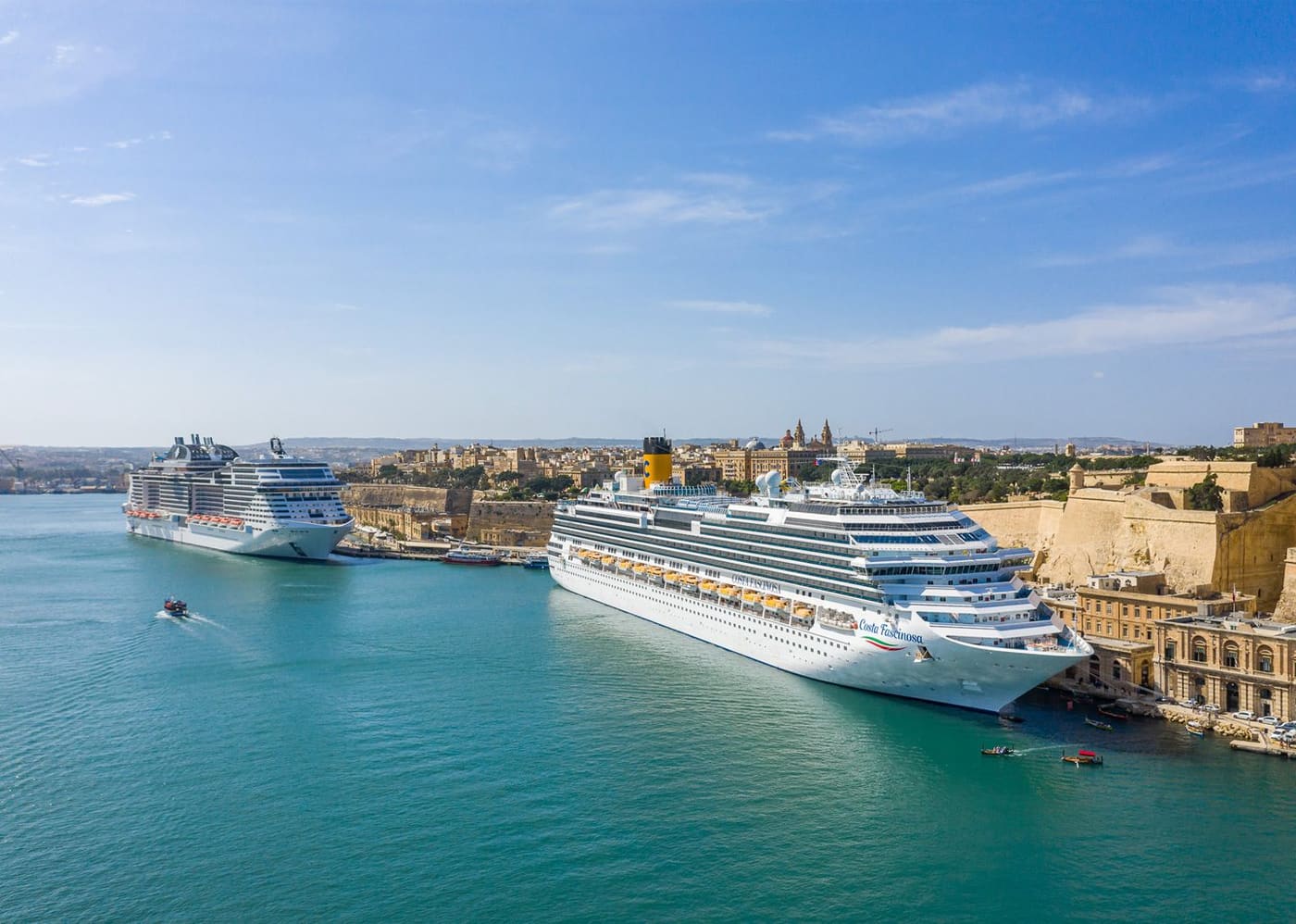
Cruise port
The terminals beside the waterfront and how to spend a port day.
Everything a cruise passenger needs to know about arriving at Valletta.
Explore cruise port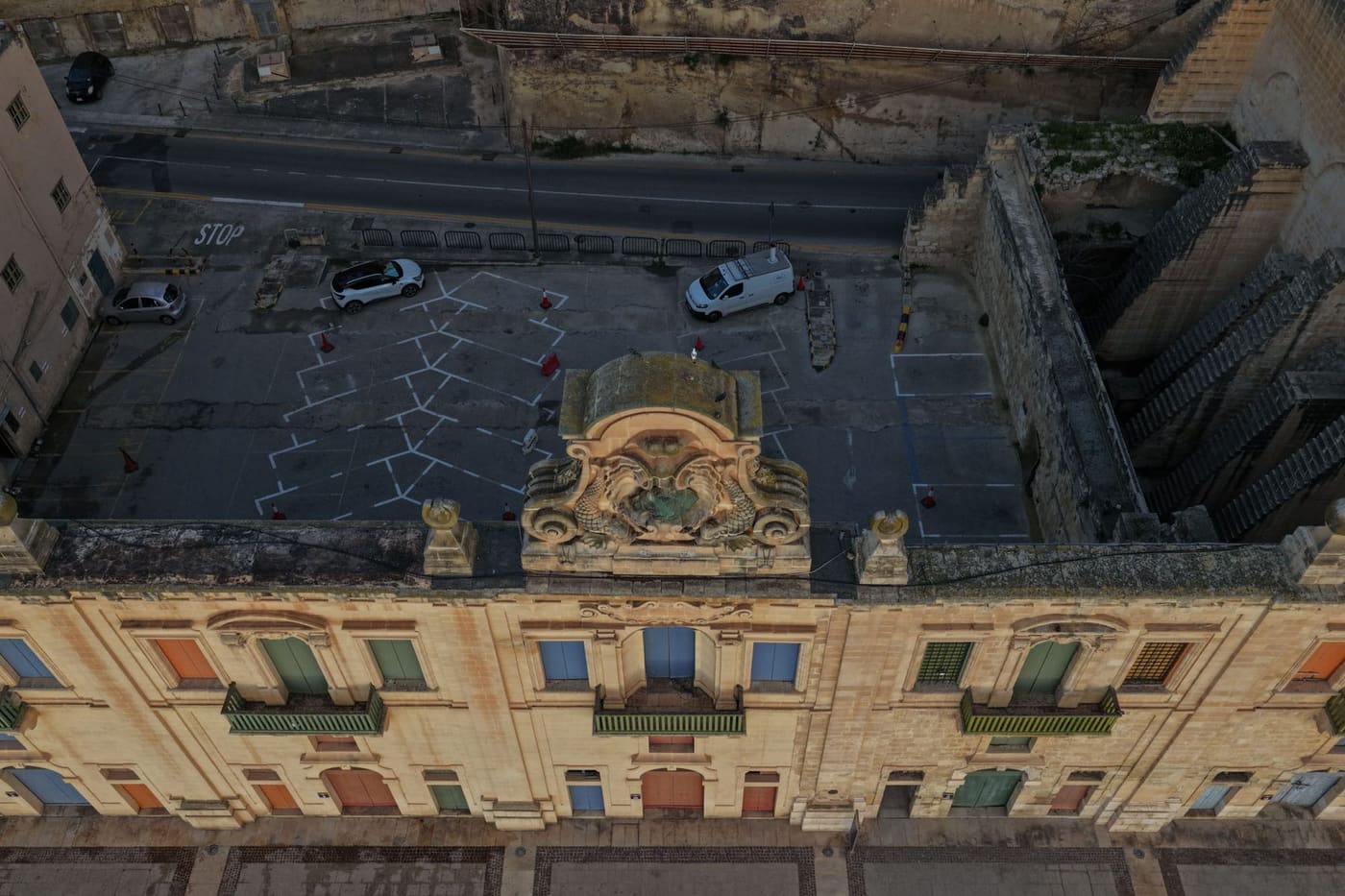
Getting there
Directions, parking and the link up to Valletta.
How to reach the waterfront by car, on foot or from the city above.
Explore getting thereStand on the quay at Floriana and look back at the foot of Valletta's great fortifications. There, running along the water, is a long terrace of honey-coloured stone buildings, each fronted by a heavy wooden door in a different shade of green, red, blue or yellow. This is the Valletta Waterfront, and it is one of the most photographed corners of the Grand Harbour. For many British visitors it is also the very first piece of Malta they see, because the Valletta Cruise Port sits right alongside.
This guide is the starting point for a small collection of pages about the waterfront. Below you will find the story of how it came to be, a picture of what it offers today, and some honest advice on how to fit it into a holiday or a single port day. Each topic then has its own page, so you can dive straight into where to eat and drink, the shops, things to see and do, events and venues, the cruise port or how to get there.
A short history of the Pinto Stores
The story begins in 1752, when the Grand Master of the Order of St John, Emanuel Pinto da Fonseca, commissioned a line of warehouses on the harbour edge. They were designed by the architect Andrea Belli, and nineteen spacious stores were built in all. Their job was practical: to keep the busy harbour supplied, giving the Knights of Malta and visiting merchants somewhere secure to keep their goods. The name stuck, and to this day they are known as the Pinto Stores.
Grand Master Pinto was not shy about his achievement. A large bronze bust of him was set above the doorway of the middle warehouse, and its unveiling on the evening of 10 August 1752 was a proper spectacle. The whole wharf was lit with torches, and a water carnival took place on the harbour, with a full orchestra playing aboard a barge. It is a lovely picture to hold in your mind as you stroll along the same stretch of stone today.
The Pinto Stores were not alone. Close by stand the older Forni Stores, among the earliest surviving maritime warehouse buildings in Malta, with roots reaching back to the early seventeenth and eighteenth centuries. Together they tell the story of a harbour that fed and armed an island fortress. If you enjoy this period, our guide to the Knights of Malta sets the waterfront in its wider context.
Restoration and the coloured doors
The twentieth century was not kind to the harbour. Some of the stores were destroyed in the Second World War, and for years the area was a working but faded part of the port. The revival came with a major regeneration project. The Pinto Stores facades were restored, the stores that had been lost were rebuilt, and a new promenade and a small laguna were created in front of them. Old buildings nearby, including the former power house, received careful attention too.
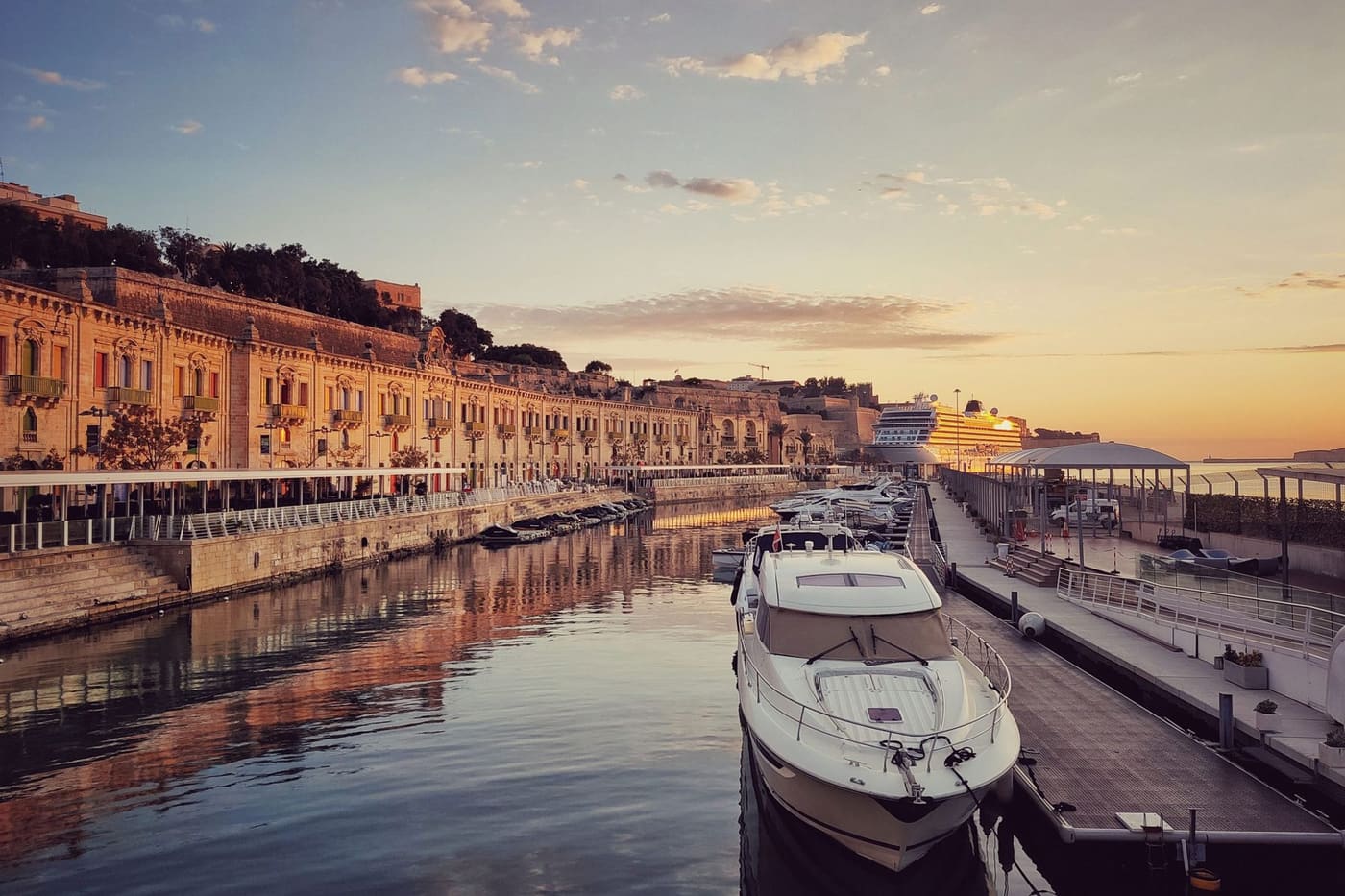
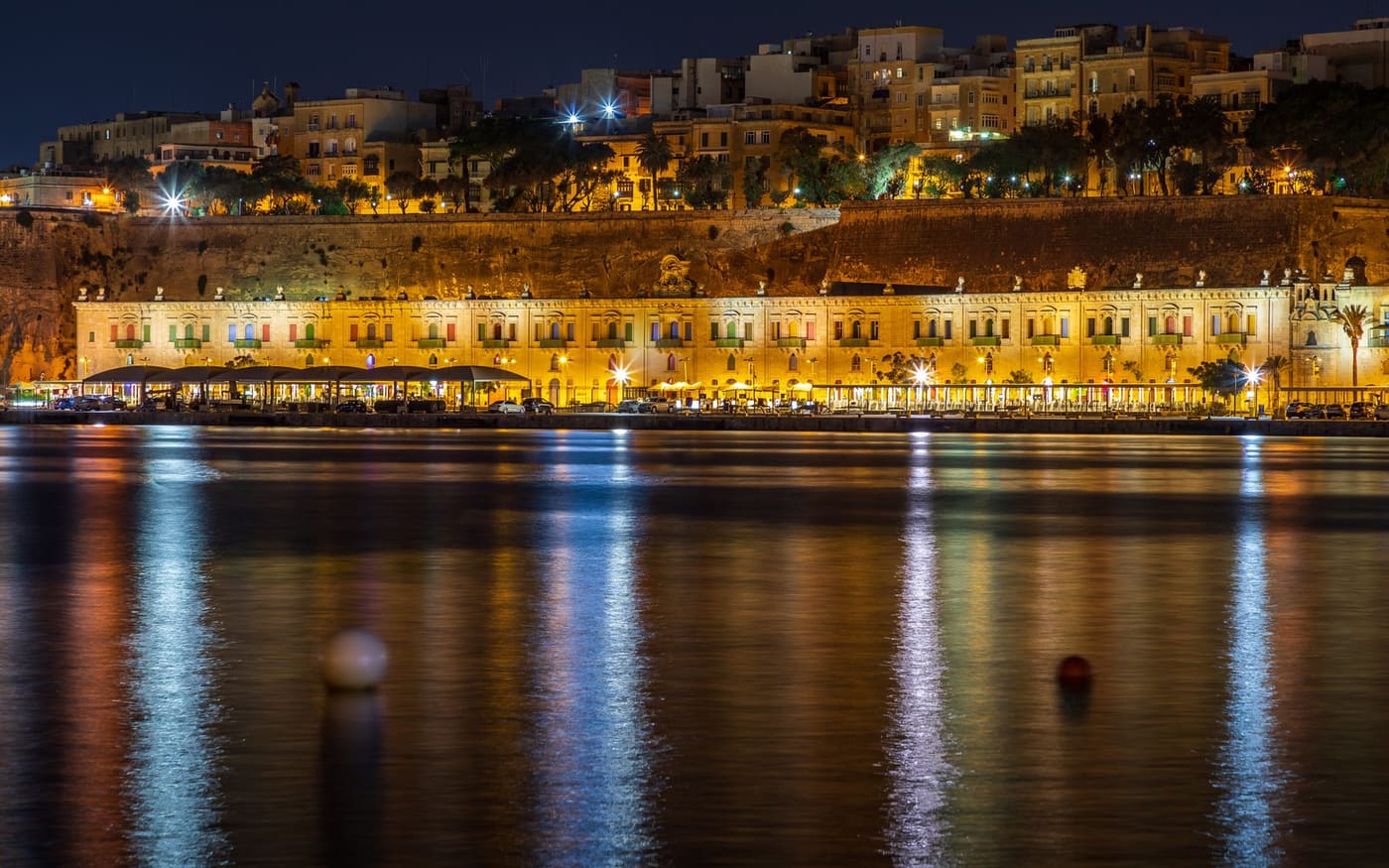
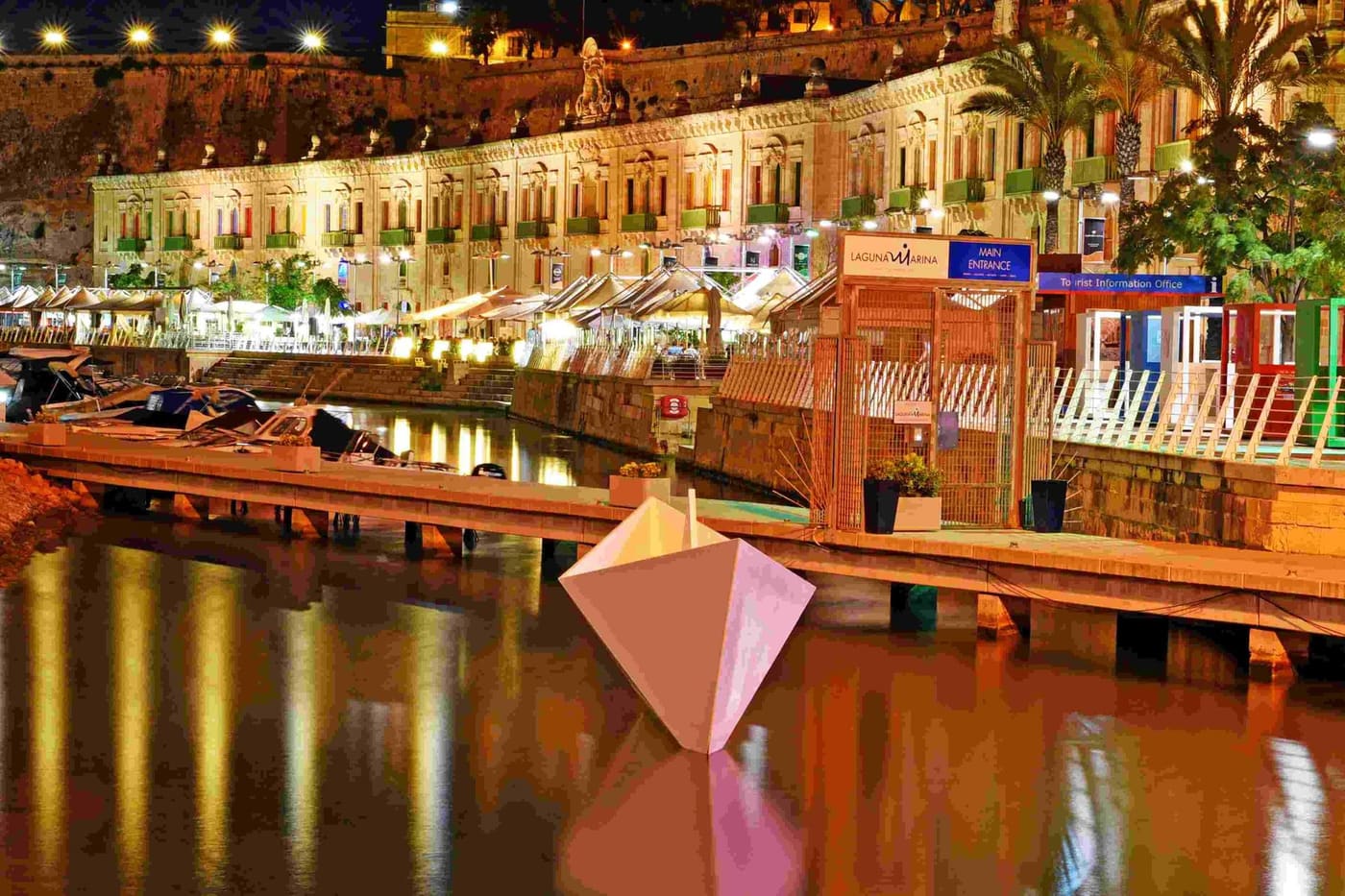
The result is the look that gives the place its nickname, the historic destination with the coloured doors. Each unit has its own painted entrance, and together they form a cheerful, orderly rainbow beneath the pale limestone. Under the late Baroque architecture, the effect is especially pretty at golden hour, when the stone turns amber and the doors glow. Restoration is not finished business either. A newer agreement covers the redevelopment of Malta's historic first power station beside the waterfront, so the area keeps evolving.
What you will find there today
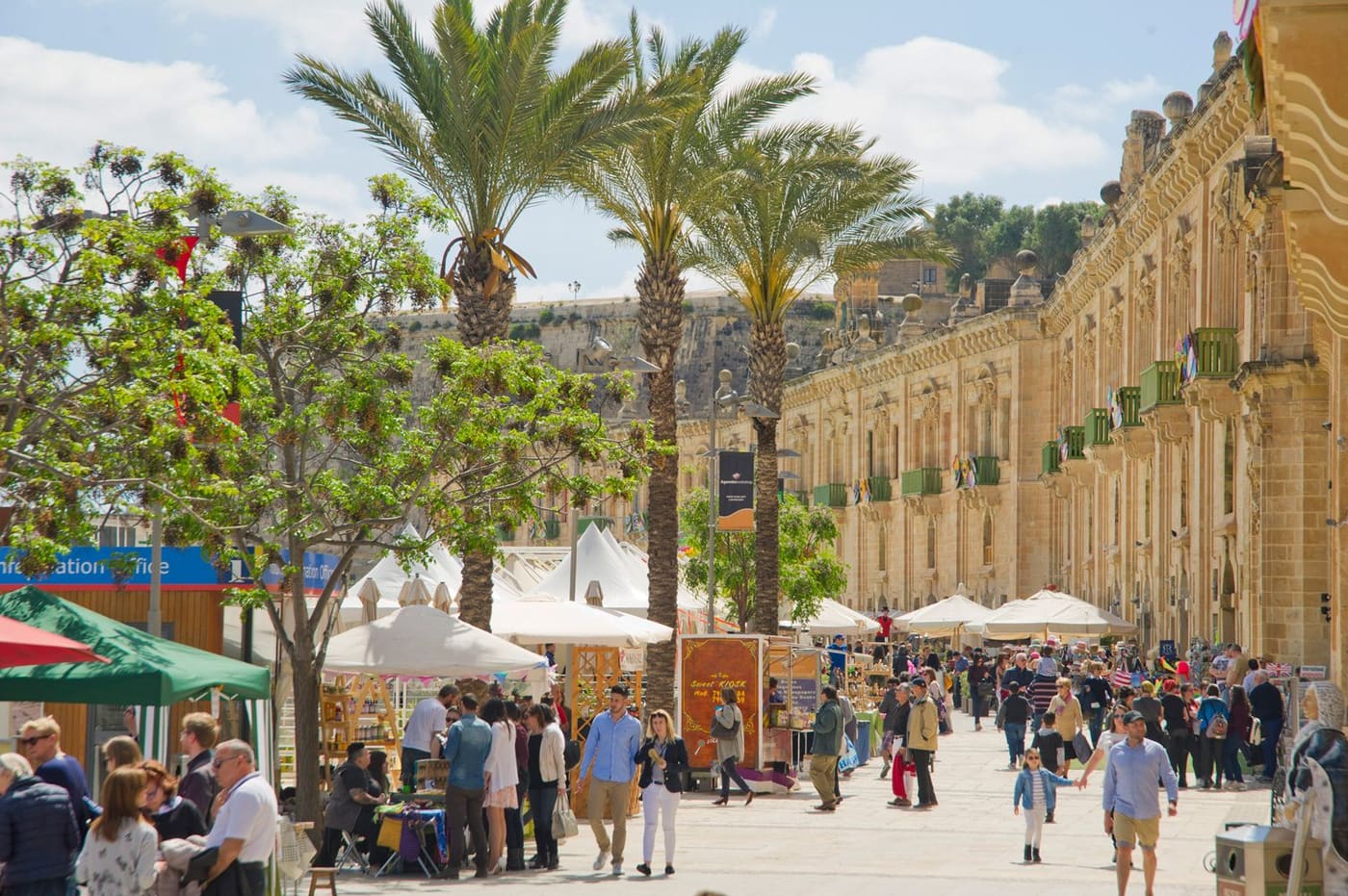
The old stores now house a lively mix of independent businesses. Along the 275 metre promenade you will find a choice of restaurants and bars, many with outdoor tables facing the water. If you are planning a meal, our page on restaurants and bars at the waterfront explains what to expect, from relaxed pasta and Asian dishes to cocktails at sunset.
Shopping is part of the appeal, and it leans towards things you may actually want to take home: Maltese ceramics, glass, leather, jewellery, hats and local gifts, as well as practical essentials for the day. Our guide to shopping at the waterfront covers the types of shop, and it is a handy stop for last-minute souvenirs before you head back to the ship or the airport.
Beyond eating and shopping, there is plenty to see. A small chapel dedicated to the Flight of the Holy Family to Egypt sits beside a sixteenth century vault, and the harbour views alone are worth the trip. A marina for small craft brings boats and a little glamour to the water. The attractions page pulls the sights together, so you can decide how long to give the place.

Events, venues and the cruise port next door
The waterfront runs a year-round programme of events. Recurring favourites include Fun by the Waterfront, a series of free activities for all ages, and a weekly Mass held every Saturday in the historic chapel. Seasonal programmes add to the mix, such as autumn family fun along the promenade, jazz evenings, Oktoberfest and Halloween activities. Exact dates change from year to year, so check the latest listing on our [events and venues page before you travel.
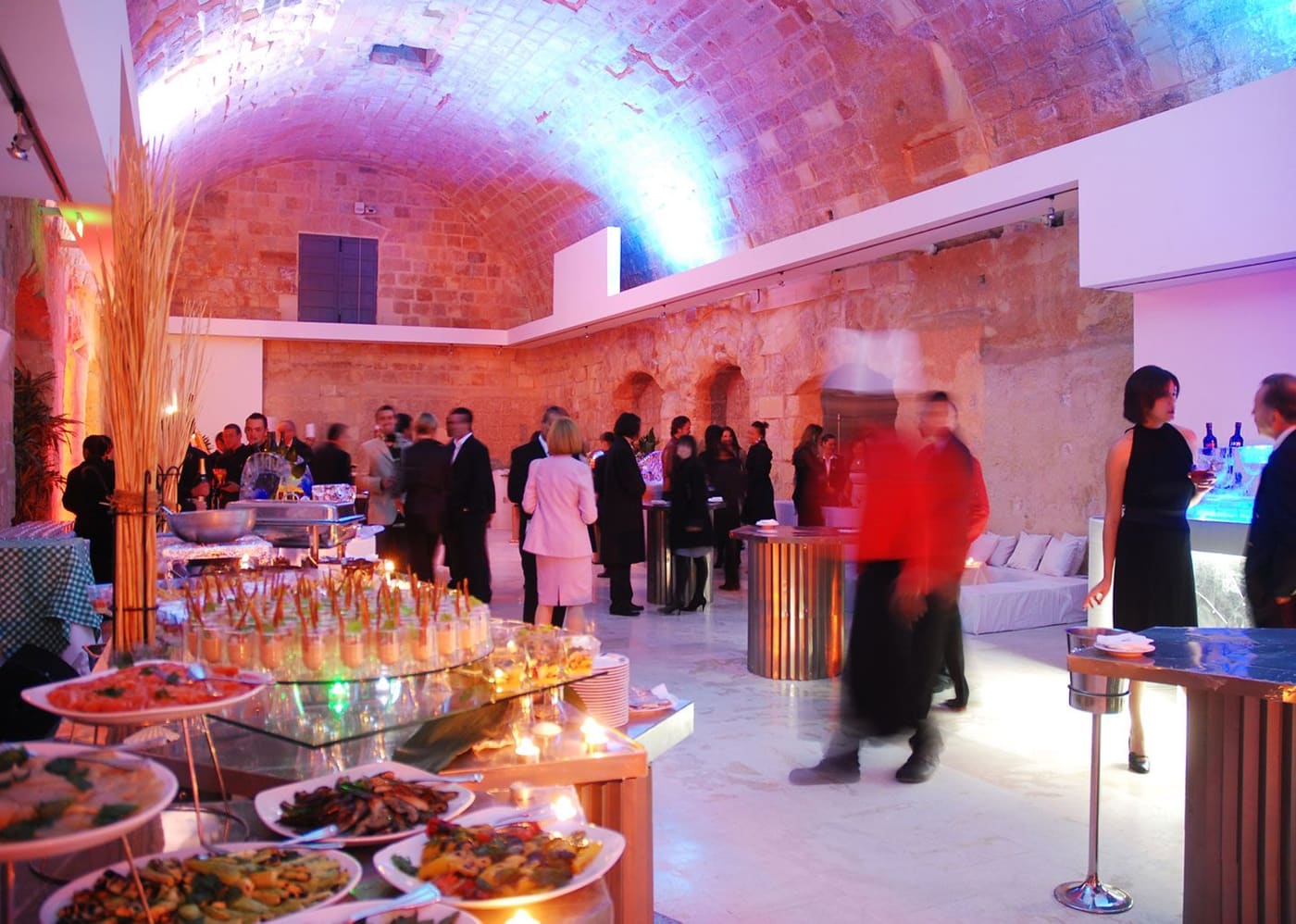
The same page describes the spaces behind the programme. The Sagrestia Vault and its chapel suit small, intimate gatherings. Magazino Hall, built in 1727 to store oil for street lamps and later part of the island's first power house, has an arched ceiling and glowing yellow limestone. The open air venue on the quay uses the Grand Harbour as its backdrop.
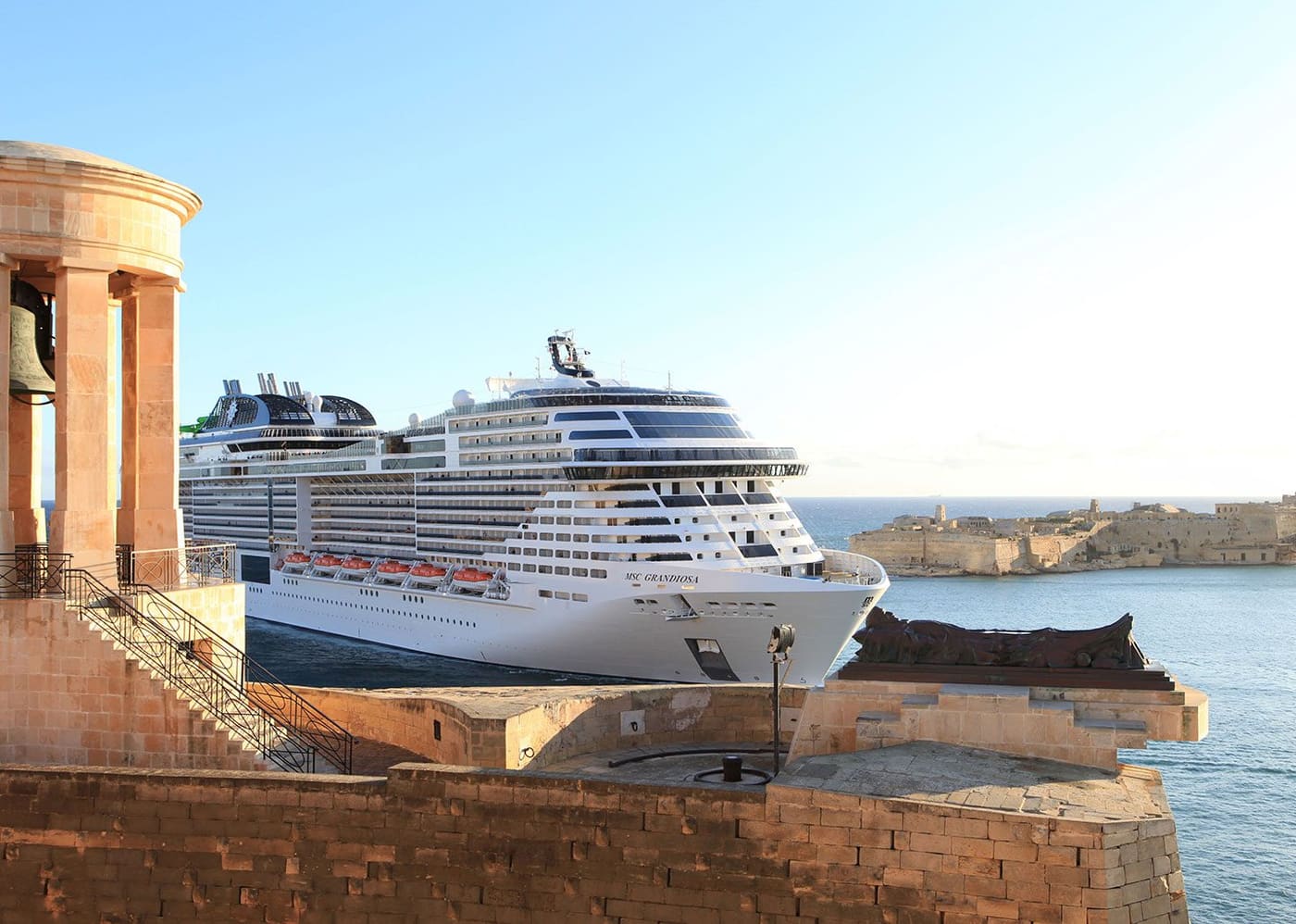
Right beside all this is the Valletta Cruise Port, a busy gateway that welcomes more than 900,000 cruise passengers a year. If you are arriving by ship, you can step off and be at the restaurants and shops within minutes. Our cruise port page covers the terminals and what to do on a port day, and it is worth reading with our wider guide to things to do in Malta.
Connecting with Valletta above
One of the best things about the waterfront is how neatly it connects to the capital. Valletta sits on its ridge high above, and the bastions that loom over the promenade are part of the city's defences. The well-known link is the Upper Barrakka lift, which carries you up from the quayside to the Upper Barrakka Gardens in moments, saving a steep climb on a hot day. From the gardens you can enjoy a famous panorama of the harbour and the Saluting Battery nearby.
From there, the rest of the city is on foot. The honey-coloured streets lead to St John's Co-Cathedral, grand palaces, cafes and shops. Our Valletta guide lays out the main sights. For full directions, parking and walking routes, see how to get to the waterfront.
Why a UK visitor or cruise passenger should go
There are several good reasons. The waterfront is compact, flat and easy, which suits families, older travellers and anyone short on time. It gives you a genuine slice of Maltese heritage without queues or a long journey, and the food and drink are a pleasant way to ease into the island's pace. Cruise passengers can slot it in before or after a longer excursion, and land-based holidaymakers can pair it with a day in the capital.
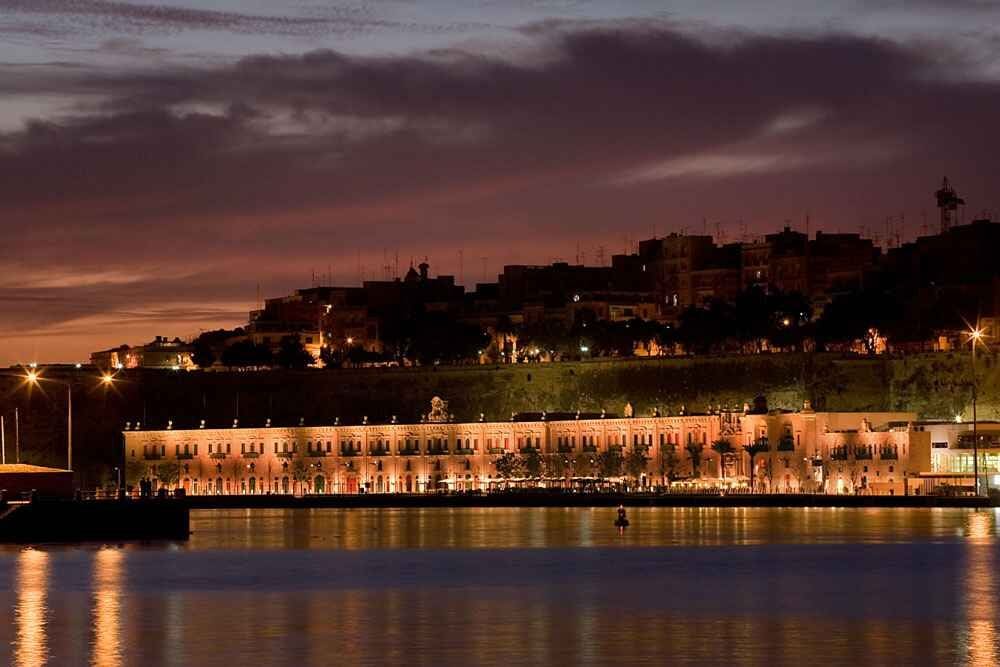
It also suits an evening out. When the lights come on and the stone is floodlit, the harbour looks magical, and the atmosphere is relaxed and unhurried. If you are still choosing where to base yourself, our guide to hotels in Valletta will help you decide how close to the harbour you want to be.
Practical tips for your visit
Wear comfortable shoes, as the quay is paved and uneven in places, and bring a hat and sun cream in summer, because shade is limited outside the covered areas. Opening times vary from one business to the next, so it is wise to check before you set your heart on a particular restaurant or shop. Parking is available on the quays and in dedicated car parks nearby, with free on-street parking in the surrounding streets.
Allow at least two to three hours for a relaxed visit including a meal, and longer if you plan to ride up to Valletta. For help planning the rest of your trip, our guide to Malta holidays is a good place to start.
Location
Questions about Valletta Waterfront
What is the Valletta Waterfront?
It is a row of restored eighteenth-century harbour warehouses in Floriana, below Valletta, now home to restaurants, shops, event venues and a promenade beside the Valletta Cruise Port.
Why is it called the Pinto Stores?
The nineteen warehouses were built in 1752 under Grand Master Emanuel Pinto da Fonseca, so they took his name. They were designed by Andrea Belli to support harbour trade and supplies.
Why are the doors so colourful?
Each unit has its own painted door, and together they give the waterfront its nickname as the historic destination with the coloured doors. They are a signature sight and very popular with photographers.
Is the waterfront in Valletta or Floriana?
It sits in Floriana, just outside the city walls, directly below the bastions of Valletta. The two are close together, and a lift and paths link the harbour level to the capital above.
How do I get from the waterfront up to Valletta?
The best known route is the Upper Barrakka lift, which takes you from the quayside up to the Upper Barrakka Gardens. You can also walk up, though the climb is steep.
Is it worth visiting if I am on a cruise?
Yes. The cruise port is right beside it, so you can be strolling the promenade, eating or shopping within minutes of stepping off the ship, which suits a short port call.
What events are held at the waterfront?
The programme includes free family activities, a weekly Saturday Mass in the chapel, jazz evenings and seasonal festivals. Dates change each year, so check the current events listing before you go.
How long should I spend there?
Allow two to three hours for a relaxed walk, a meal and some browsing. If you also want to ride up to Valletta and explore the city, plan on a half day or more.
Photos: Valletta Waterfront and Valletta Cruise Port.