Valletta Cruise Port and the Waterfront: A Guide for UK Cruise Passengers
Valletta Cruise Port sits in the Grand Harbour, and the Valletta Waterfront in Floriana is the first place you step onto when you leave your ship. This page explains the terminal, the guest services, how to read the ship schedule, and which trips and sights suit a day in port, so you can plan from the gangway to the city walls.
Written from Valletta Waterfront's own published information. Last checked .
Port services and trips from the cruise port
Magazino Hall Terminal
Main terminal; handles more than 1,000 guests per hour
The main cruise terminal, housed in a restored harbour building beside the berths.
Magazino Hall is where turnaround passengers check in and where many day visitors first step ashore. It has check-in counters, a waiting area and access for guests with different abilities, and its fibre link to the ship lets check-in happen on board and ashore together.
The terminal can process more than 1,000 guests an hour, so even a busy changeover day moves steadily.
Baggage Services
Listed guest service
Baggage handling for passengers joining or leaving a ship.
Dedicated baggage handling is part of the terminal offer, which matters most for passengers who start or end a cruise in Valletta. If you are a day visitor, travel light and leave anything bulky on the ship.
Cafes and Restaurants
Listed guest service
Places to eat and drink beside the port, from a quick coffee to a sit-down meal.
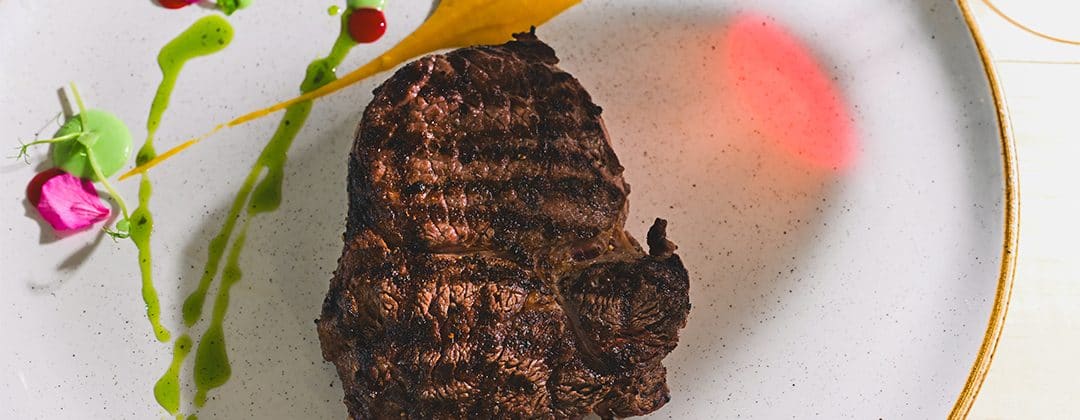
The waterfront has a good selection of places to eat and drink within a few steps of the quay. Those are covered in more detail on our restaurants page, so you can choose before you leave the ship.
Currency and Exchange
Listed guest service; Malta uses the euro
Money services for visitors arriving without euros.
Malta uses the euro. British visitors who have not bought euros in advance can use the currency and exchange service at the port, though many shops and cafes also accept cards. Carry a little cash for small purchases.
Parking
Listed guest service
Parking is available at the port for those who arrive by car.
Parking suits passengers who are driving to start a cruise or collecting visitors. Most day visitors on a ship will not need it, since the waterfront and the route into the city are both walkable.
Pharmacy
Listed guest service
A pharmacy for everyday health needs and sun care.
A pharmacy near the port is handy for sun cream, plasters, travel sickness tablets and other small essentials. If you take regular medication, pack it in your hand luggage and carry enough for the trip.
Shops
Listed guest service
Shopping beside the quay, from gifts to local crafts.
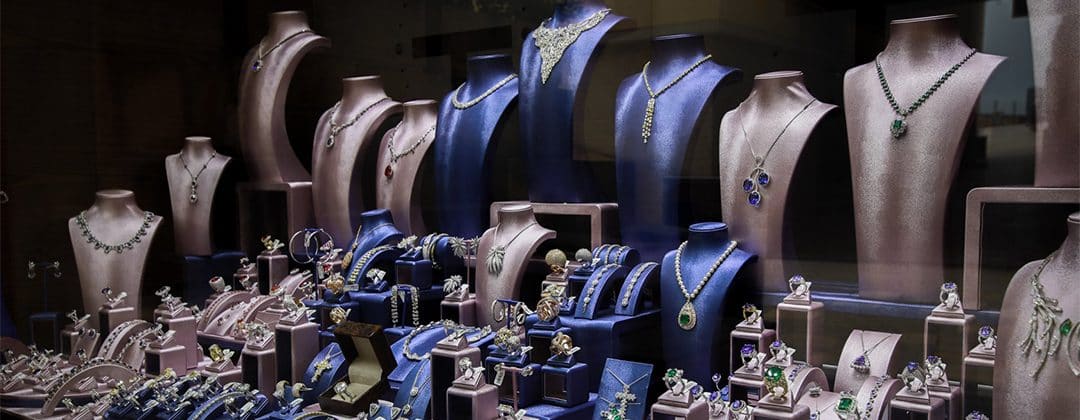
The port lists shops among its guest services, and the old vaults hold many of them. Local products worth looking for include mouth-blown glass, handmade ceramics and delicatessen items. Our shops page has more on what to expect.
Tax Refund
Listed guest service
Assistance with tax refunds on eligible purchases.
A tax refund service is listed for visitors. Rules depend on where you live and what you buy, so ask in the shop at the point of sale and check with the port team before you leave the area.
Tourist Information Office
Listed guest service
A staffed point for maps, directions and local advice.
The tourist information office is the best first stop if you want advice on routes, opening times or what is on that day. It is especially helpful for first-time visitors with only a few hours ashore.
AED Defibrillator
Listed guest service
An automated external defibrillator is available at the port for emergencies.
The port lists an AED among its guest services. Port staff are the first people to alert if someone is taken ill ashore.
Shuttle Service
Shuttle available; coach capacity 50+
A shuttle service links the port with other points on the island.
The port confirms that a shuttle service is available, with capacity for coaches of fifty or more passengers. Many excursions use it, but you can also walk into the city in about fifteen minutes.
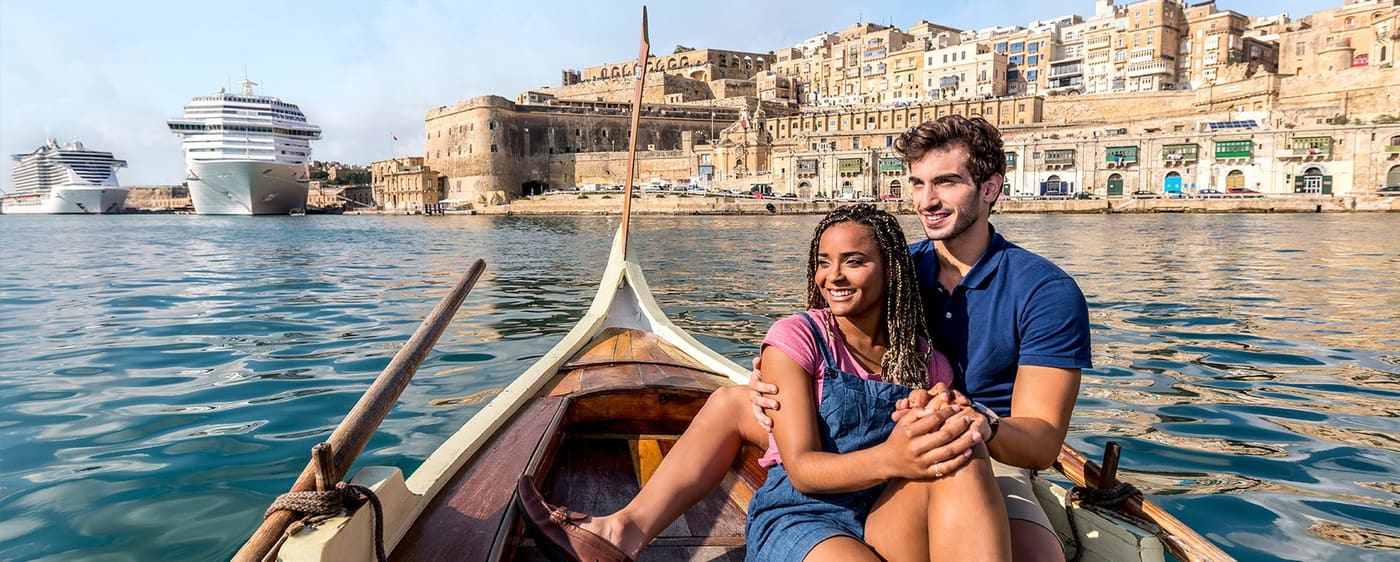
Ferry Services
Listed port service
Harbour ferries and sea services operating around the port.
Ferry services are part of the wider port offer. They connect points around the Grand Harbour, which can be a scenic alternative to walking or a taxi when you are heading to the other side of the water.
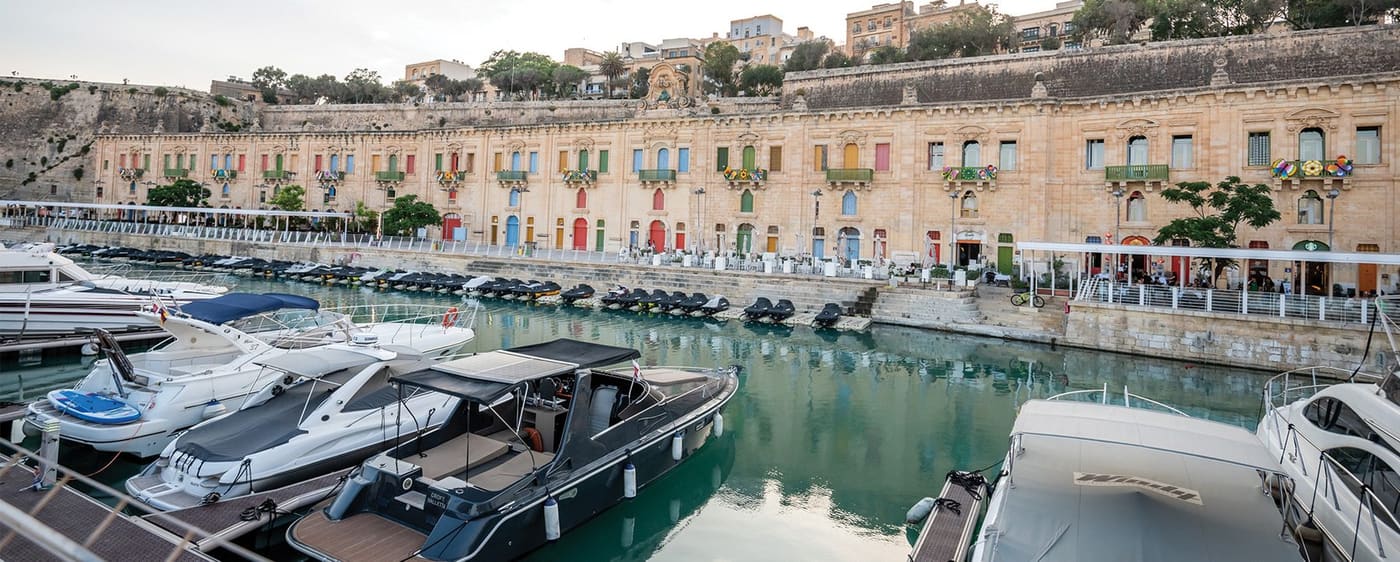
Yacht Services
Listed port service
Services for private yachts and visiting vessels.
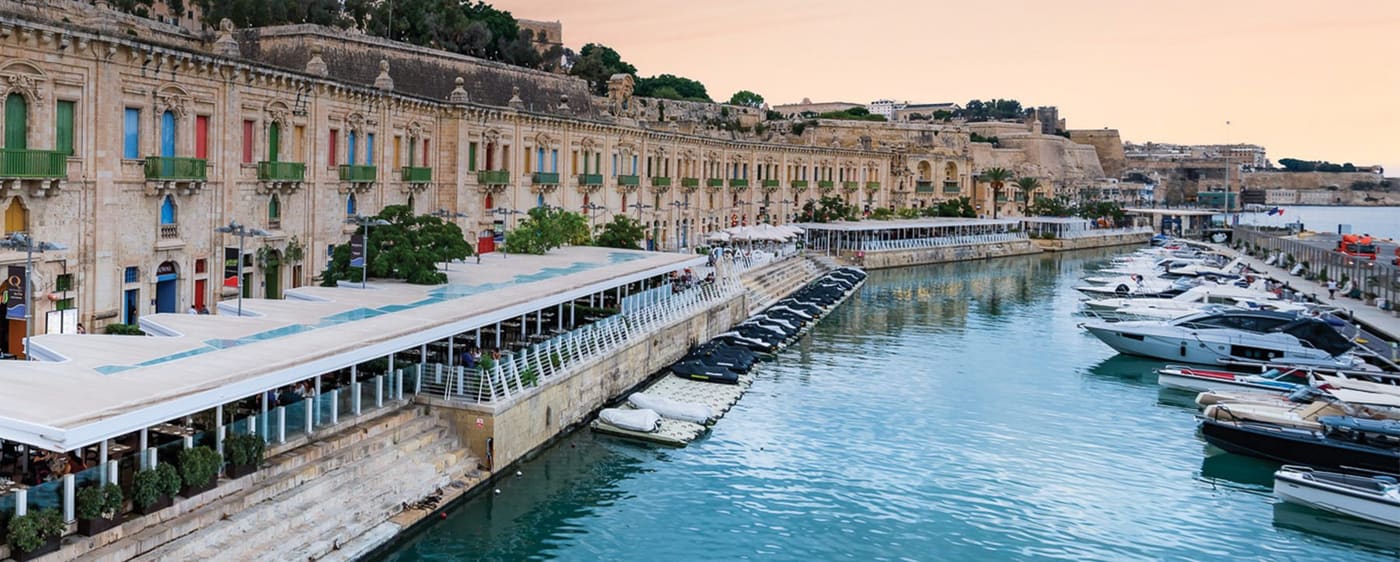
Yacht services sit alongside the cruise offer, and the nearby marina brings private boats to the waterfront. For cruise passengers it adds colour to the quay, with sleek boats moored just below the restaurants.
Valletta Cultural Route
2 to 3 hours
A short guided outing through the old city, with a mix of old and new.
This is one of the port's two short trips, and it runs for around two to three hours. It offers a taste of what Valletta has to give as a UNESCO World Heritage city, blending historic and modern sights.
It suits anyone who wants a structured visit without losing the whole day.
Valletta Scenic Route
2 to 3 hours
A guided route along the water and through the grid of streets, with photograph stops.
The scenic route looks beyond the history that Valletta is famous for, sampling views along the harbour and the straight streets of the capital. It lasts two to three hours and is designed with photograph opportunities in mind.
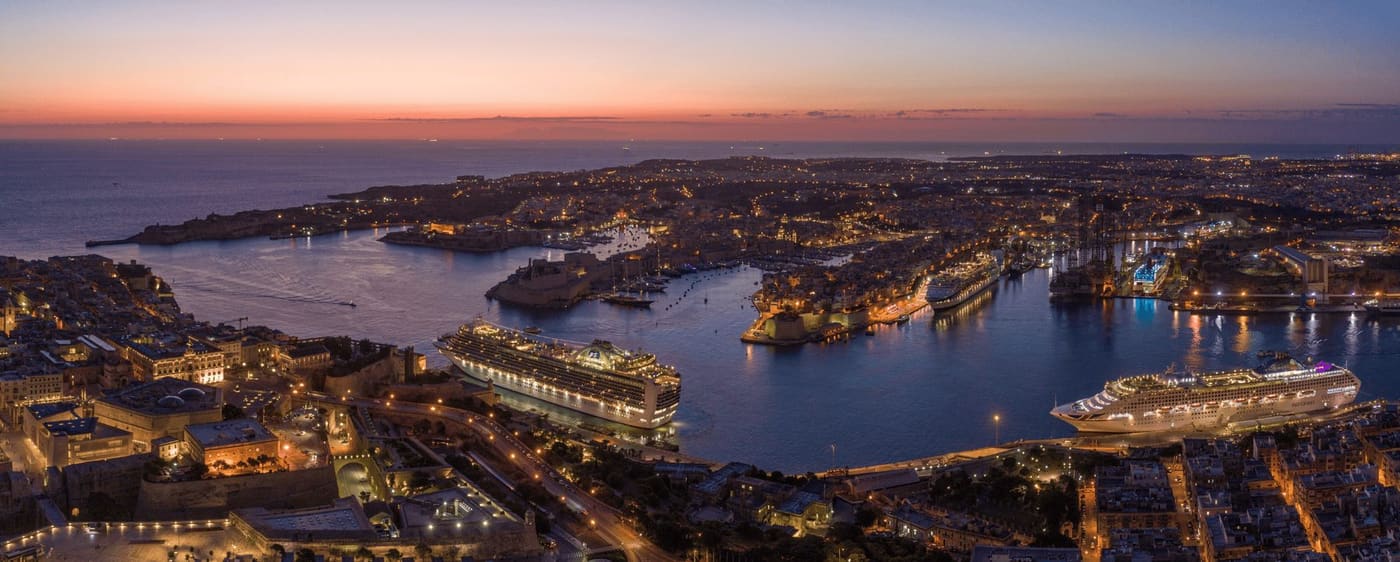
Valletta
About a fifteen-minute walk from the port
Malta's capital, named after the Grand Master who commissioned it after the Great Siege of 1565.
Valletta was built by the Order of St John after the Great Siege of 1565, and takes its name from Jean Parisot de La Valette. It is a short walk from the port, so it is the easiest sight of all. Our Valletta guide covers the main streets, squares and viewpoints in more depth.
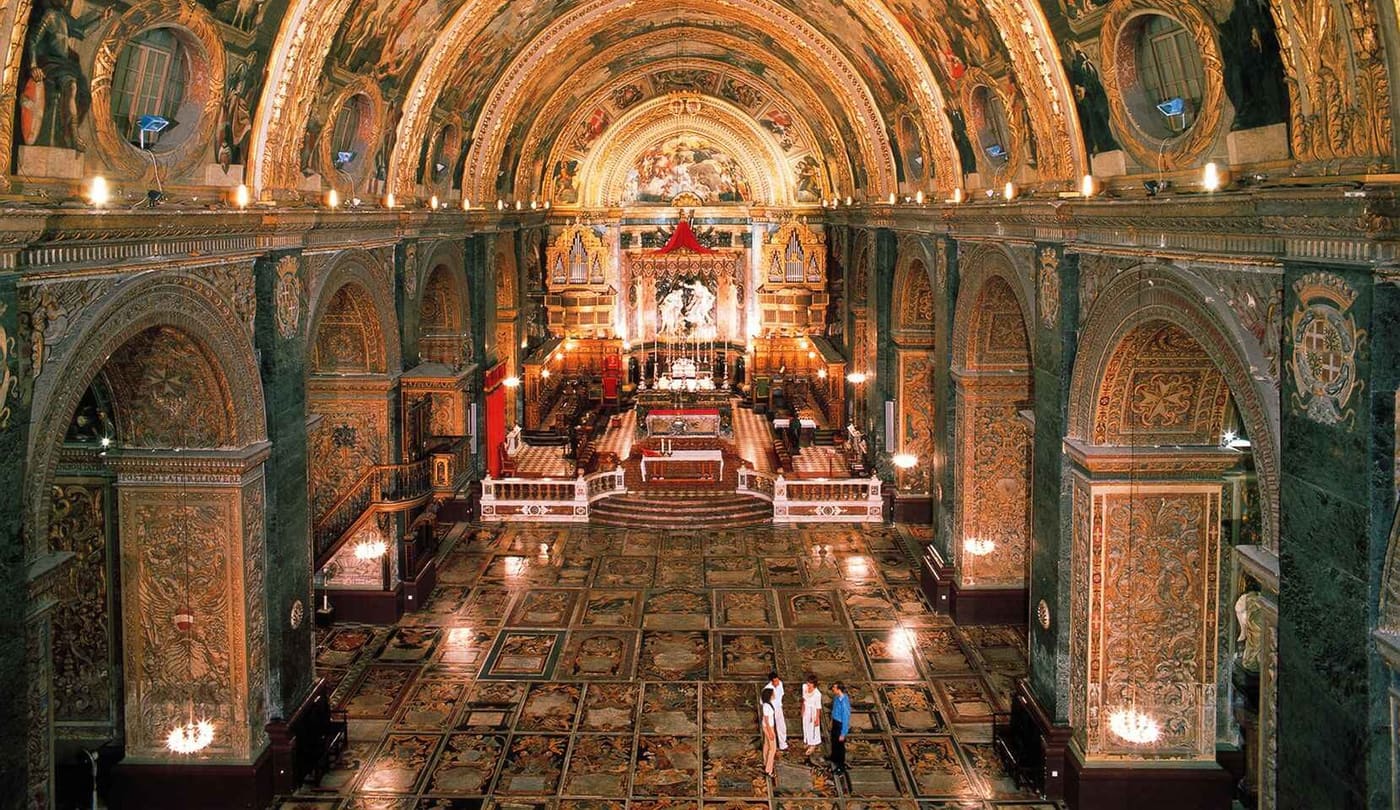
St John's Co-Cathedral
Valletta
A church whose interior is one of the finest examples of Baroque in Europe.
The interior is the draw here, rich with art and detail that appeal to anyone who enjoys history and fine architecture. It is in the heart of Valletta and easy to reach on foot from the ship.
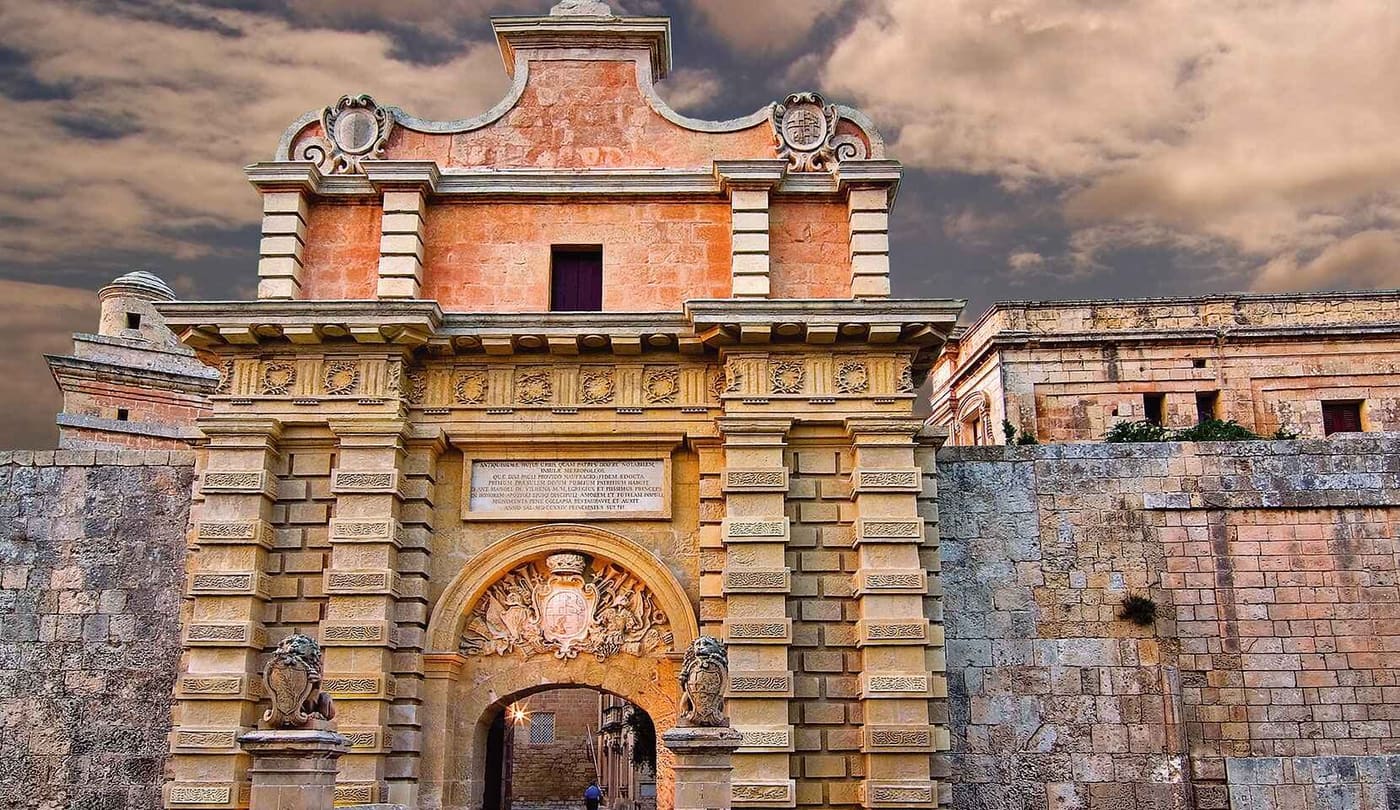
Mdina and Rabat
Former capital of Malta
Malta's former capital on a hilltop, with the town of Rabat beside it.
Much of Mdina has been left almost frozen in time, and its hilltop position gives wide views over the island. Rabat is next door and is also home to the Domus Romana. This is a half-day or longer excursion from the port, so check your return time carefully. Our Mdina guide has more to help you decide.
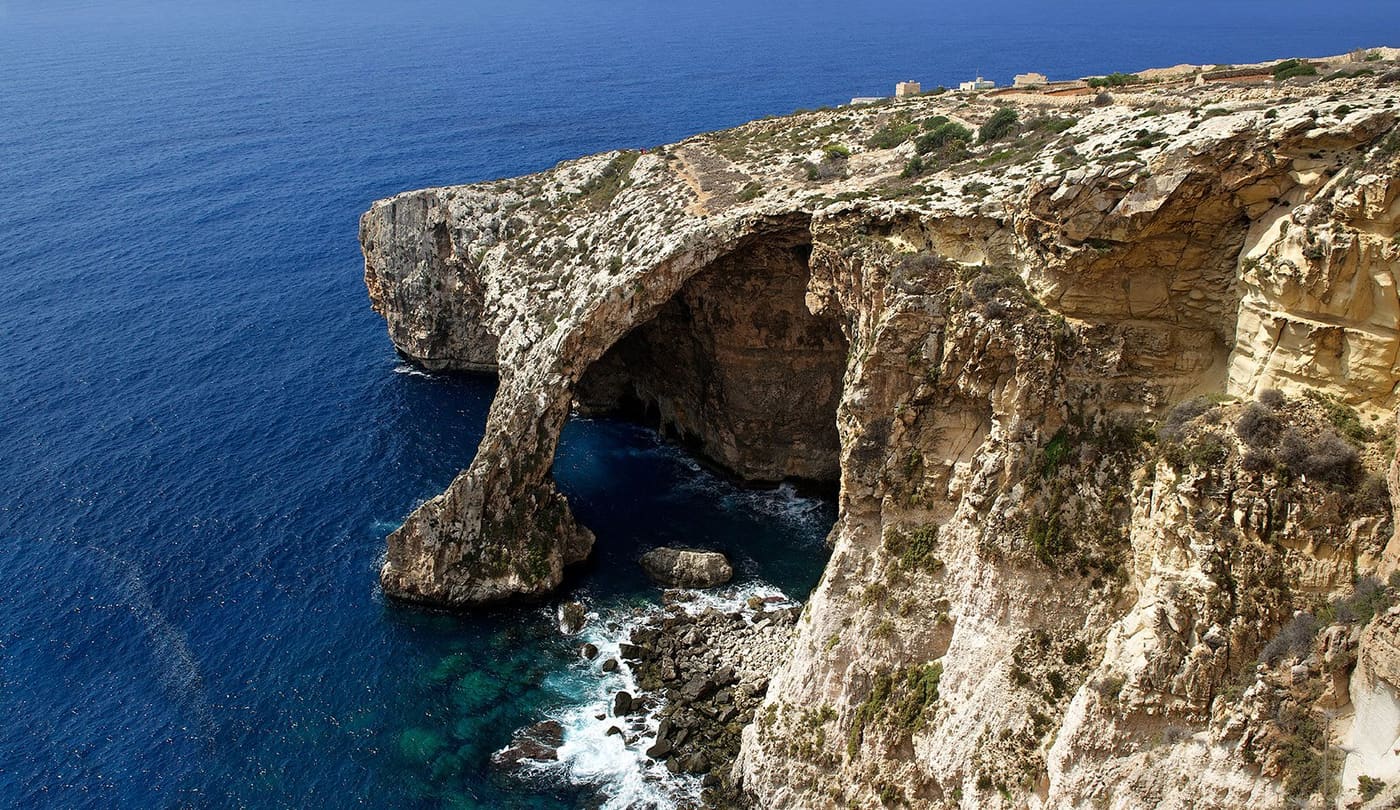
Wied iz-Zurrieq and the Blue Grotto
About 2 km west of Zurrieq
A tiny harbour in a narrow cliff inlet, the starting point for boat trips to the Blue Grotto.
Wied iz-Zurrieq lies about 2 km west of the village of Zurrieq and is guarded by a watchtower. It is a place for sea views and, in suitable conditions, a boat trip. The port's tip on the gregale wind is a reminder that sea conditions can alter excursions.
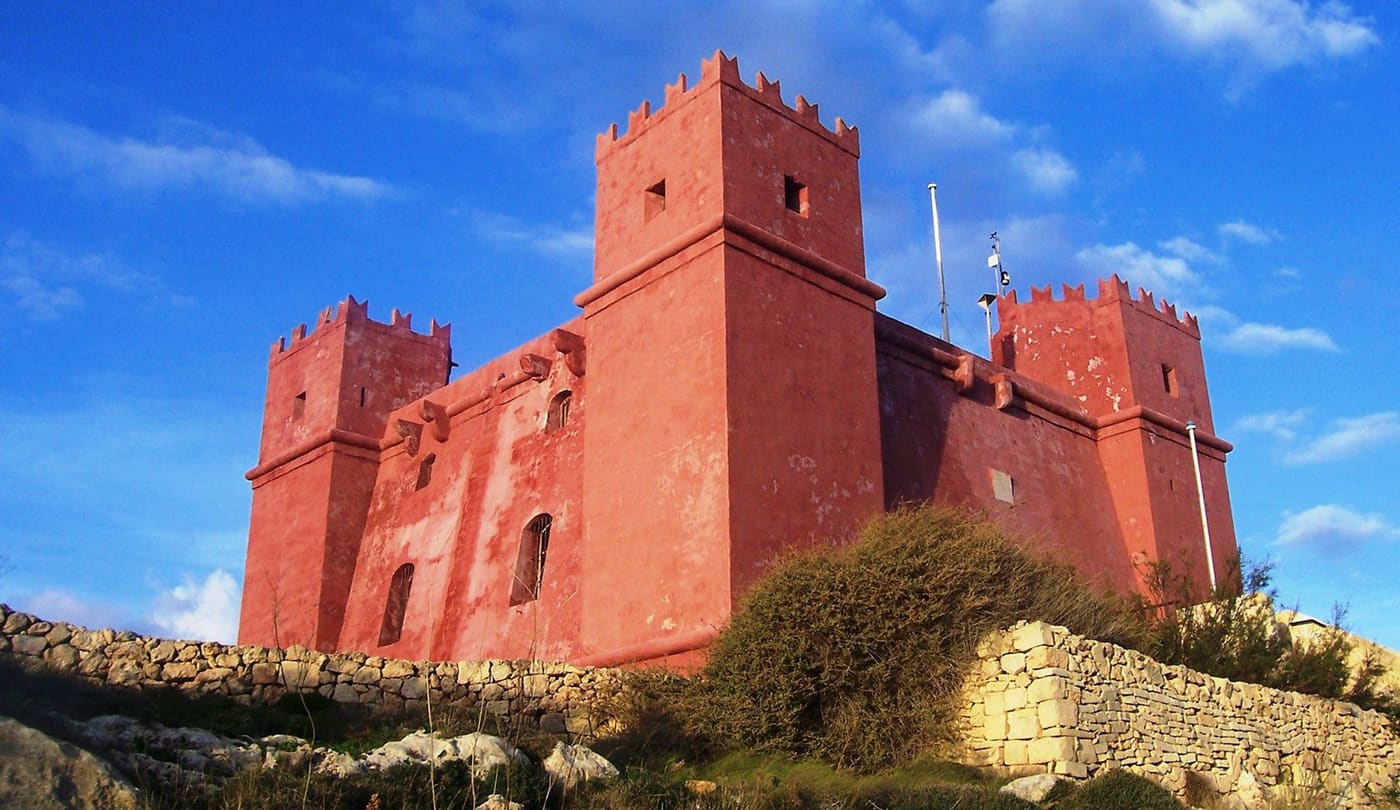
St Agatha's Tower (The Red Tower)
Built in 1647
A bold red fortress built by Grand Master Lascaris in 1647.
Known as the Red Tower for its restored colour, it was the island's furthest outpost from Valletta at the time, and acted as a signal post for talking to Gozo. It is a striking stop for photographs and for anyone interested in Malta's defensive history.
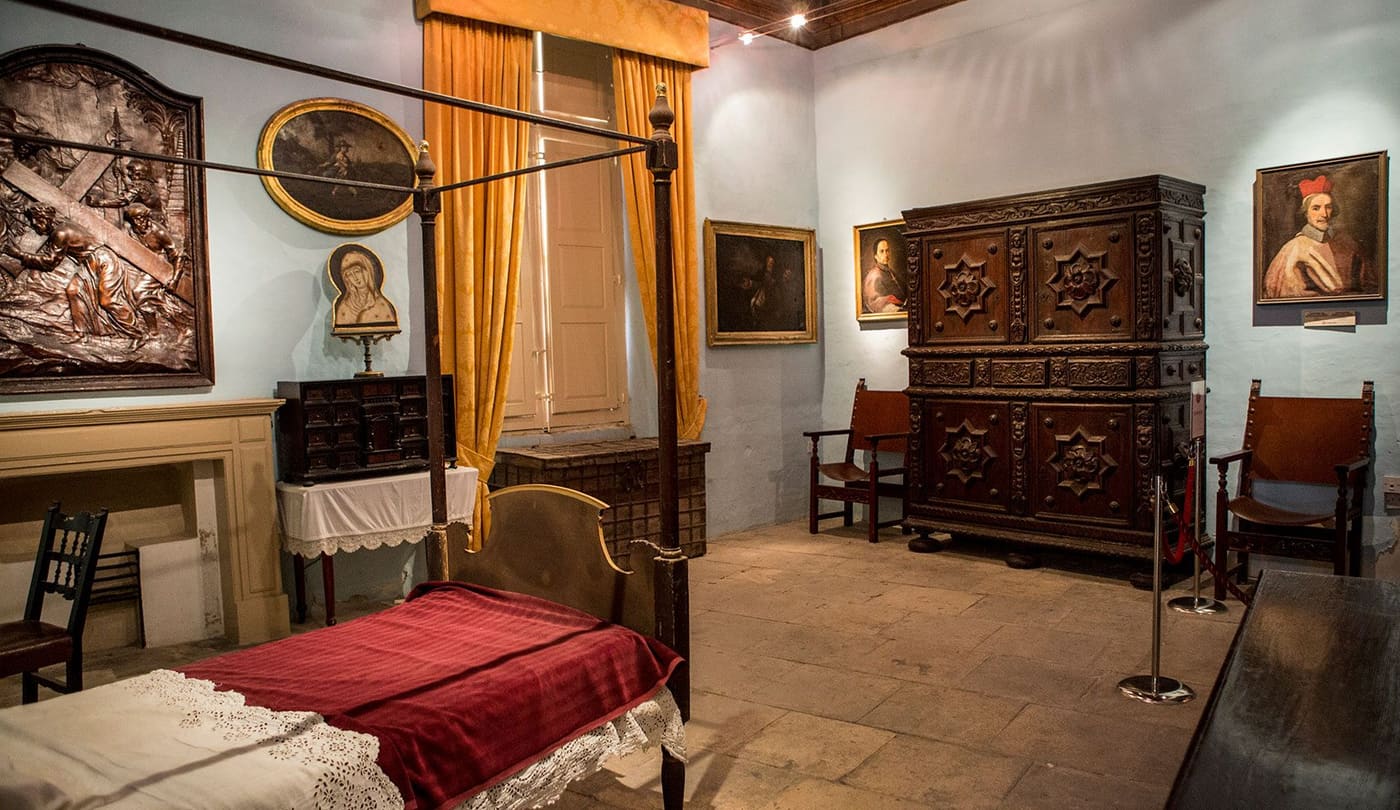
Inquisitor's Palace
Birgu; Inquisition seat 1574 to 1798
A palace in Birgu that was the seat of the Maltese Inquisition from 1574 to 1798.
Also called the Sacred Palace, this building in Birgu tells a very different story from the grand Baroque churches of the capital. Birgu is one of the Three Cities across the harbour, so it combines well with a wander through the old streets. Read our Three Cities guide for the neighbouring towns.
Arriving at Valletta Cruise Port
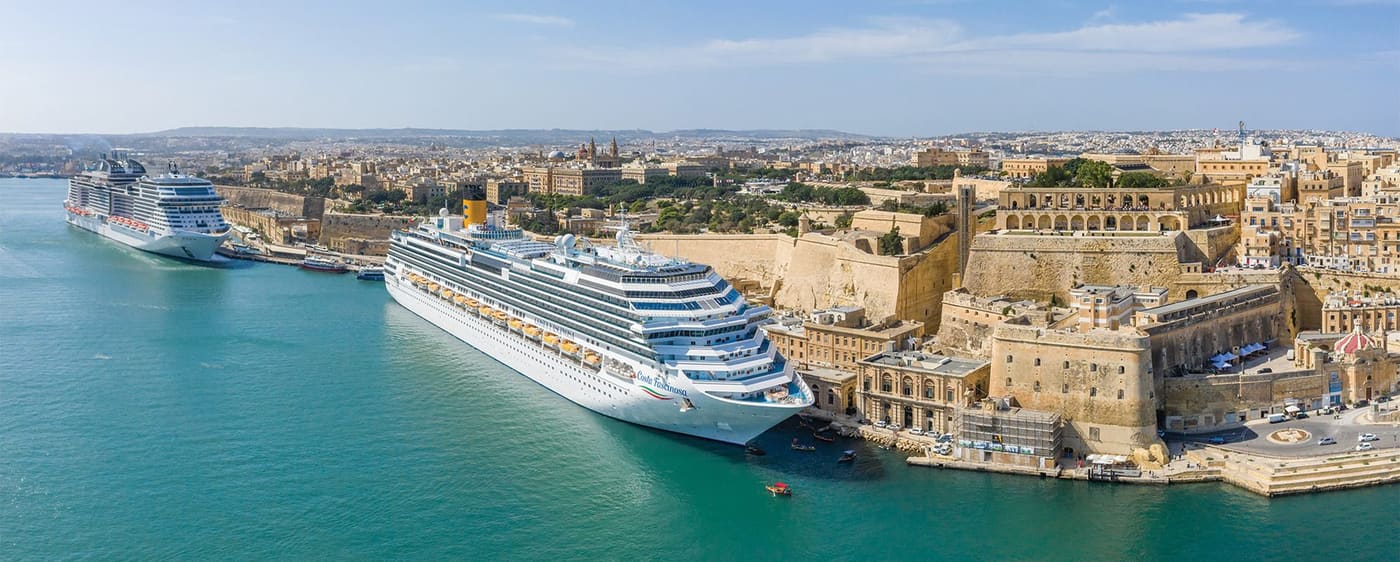
For most British passengers, the first sight of Malta is the Grand Harbour at breakfast time, with golden bastions rising above the water and the dome of the capital behind them. Valletta Cruise Port is built into that view. It has a natural deep-water harbour, so ships of every size can berth here all year round, from small luxury vessels to the biggest resort ships afloat. There is no need to use tenders, which means no waiting for a launch before you can get ashore.
The port works around the clock, every day of the year, including weekends and public holidays. That suits the way cruise itineraries behave in the Mediterranean, where a ship may come alongside before most shops have raised their shutters and sail again after dinner. In 2025 the port handled 385 ship calls and welcomed 962,966 passengers. Most of those, 772,664, were transit visitors on a day ashore, while 190,302 started or finished a cruise here. If you are on a standard British sailing from Southampton or a fly-cruise package, you are most likely one of the day visitors.
The setup is compact. There are seven berths, three terminals and plenty of tug support, and the harbour tide barely moves, so disembarking is rarely affected by water levels. Malta International Airport is about 6 km from the port, and the city centre is about 1.5 km away. If you are joining or leaving a ship here, the short transfer is one of the port's great strengths.
The Terminal at Magazino Hall
The main terminal occupies the historic Magazino Hall, an old harbour building that has been fully modernised inside. Expect proper check-in counters, a comfortable waiting area and step-free access for guests with different abilities. A fibre optic link runs from the hall to the ship, so registration and check-in can happen on board and in the terminal at the same time. The facilities can process more than 1,000 guests an hour, which keeps turnaround days moving smoothly even when a large ship is in.
Turnaround passengers will notice the difference most. The port is designed for embarkation and disembarkation, with spacious check-in areas, security screening, and dedicated baggage handling. Transit passengers, who are simply stepping off for the day, tend to pass through quickly and out onto the quayside.
Because the terminal is the start of the waterfront rather than separate from it, a short stroll takes you from the ship's gangway into the restored harbourside stores. If you would like to see what is there before you go, our overview of the Valletta Waterfront in Floriana explains the layout, the vaults and how the quay is arranged.
From the Ship to the Waterfront
The Valletta Waterfront is the row of nineteen restored 18th century warehouses and bastions that line the quay, built in the late Baroque period. They stand directly beside the berths, so you can walk off your ship and straight into a pedestrian promenade of pastel doors, arches and harbour views. There is no coach transfer and no queue for a shuttle bus before your day has even started.
This makes the waterfront the natural first stop and the natural last one. Many passengers use it as a base: a coffee before heading up to the city, a late lunch on the way back, or a final browse for gifts before the ship's departure time. Browse the restaurants and bars along the waterfront to decide where to eat, and the shops in the old vaults for local crafts and gifts.
The waterfront is also where seasonal events take place, such as free family activities along the promenade and evening music in one of the vaults. Check the events and venues page for what a typical year looks like. Valletta itself is a fifteen-minute walk from the port, and the getting there guide covers the routes up to the walls, with options if the climb does not appeal.
Understanding the Ship Schedule
The port publishes a cruise schedule that is easy to read once you know what the columns mean. Each row shows an arrival time and a departure time, the ship's name, the cruise line and a call type. You can narrow the list by date range or by cruise line, view the arrivals for today, look at the next five calls, or download the whole schedule as a PDF.
The call type tells you what sort of visit it is. A transit call means the ship is simply visiting for the day, and its passengers go ashore and return. A partial turnaround means some passengers leave or join while others continue. A full turnaround means the ship starts or ends a voyage here. For a day visitor, the practical point is the departure time, since that is when you must be back on board. Ships often arrive in the morning and depart in the late afternoon or evening, which gives a long day, but the exact hours vary by ship.
Remember that the schedule is a reference. The port notes that sailings can change because of weather or operational reasons, so treat times as a guide and follow your cruise line's own instructions for final all aboard times. If several large ships are alongside on the same day, expect the waterfront, the lifts and the main sights to be busier, and start your day a little earlier or later than the crowds.
Guest Services at the Port
The port lists a practical range of guest services, which means you can sort out most small problems without leaving the quayside. These include baggage services, cafes and restaurants, currency and exchange, parking, a pharmacy, shops, tax refund assistance, a tourist information office and a defibrillator for emergencies. Each is described in the cards below.
Alongside these sit the wider services of a working harbour: port services for ships, crew services, and the ferry and yacht services that use the surrounding harbour. They matter mostly to operators, but they explain why the harbour feels busy, with small boats moving between the larger ships at almost any hour.
Planning Your Port Day
Malta is small, which makes it a good place for a short port call. The official short trips give you two ready-made ideas, a cultural route and a scenic route through Valletta, each taking two to three hours. Longer excursions reach Mdina, the Blue Grotto and the Three Cities. Pick one major sight and leave time to enjoy the capital rather than trying to see everything.
If you are staying close to the ship, a gentle plan works well: walk up to the city, visit St John's Co-Cathedral, look out over the harbour from the Upper Barrakka Gardens, and return for lunch on the waterfront. If you have an organised excursion, give yourself a buffer before the ship's departure time, particularly for places farther from the port.
Special Tips from the Port
The port's local tips are well worth following. Pack the right plug adapter, since Malta uses the British three-pin plug, which is a welcome relief for UK visitors, though phone chargers and cameras can still run low on a long day. Wander the side streets beyond the main squares for a quieter and more authentic Valletta, and look for the best viewpoints for photographs of the skyline at any time of day.
In summer, beat the heat by drinking plenty of water and using the narrow shaded streets and arcades during the hours of strongest sun. Try the island's best-loved savoury street food, which comes filled with either peas or ricotta. Keep an ear out for the Noon Gun, a daily ceremonial salute that has echoed over the harbour for centuries and can make you jump if you are not expecting it. The Saluting Battery is where it happens.
If you plan to swim or take a boat trip, take simple precautions along the coast, and learn a little about the gregale, the Mediterranean wind that can affect boat excursions. If your visit lands on a local festa, expect colour, music, saints on parade and fireworks that you will feel as much as hear.
Location
Questions about Valletta Cruise Port and the Waterfront: A Guide for UK Cruise Passengers
What are the opening hours of Valletta Cruise Port?
The port operates around the clock, every day of the year, including weekends and public holidays. Your own ship will set the times when you can leave and must return, so follow your cruise line's all aboard instructions.
How far is Valletta from the cruise port?
Valletta city centre is about 1.5 km from the port, and the capital is a short walk of about fifteen minutes. A shuttle service is also available if you would prefer not to climb up to the old city.
Do ships use tenders at Valletta?
No. The harbour is a natural deep-water port with berths for ships of every size, and anchorage and tenders are not required. Passengers step off the ship directly onto the quay and the waterfront.
What currency do I need in Valletta?
Malta uses the euro. British passengers can change money at the port's currency and exchange service, and many shops, cafes and restaurants accept cards, but it is sensible to carry a little cash for small purchases.
How do I read the cruise schedule?
Each entry shows arrival and departure times, the ship, the cruise line and a call type of transit, partial turnaround or full turnaround. You can filter by date or cruise line. Times are for reference and may change because of weather or operations.
What is the difference between a transit and a turnaround call?
A transit call is a ship visiting for the day, with passengers going ashore and returning. A turnaround call means passengers join or leave the ship in Valletta, either some of them in a partial turnaround or all of them in a full turnaround.
What can I see on a short port day?
With two to three hours, the port's cultural or scenic routes through Valletta are ideal. With a little longer, visit St John's Co-Cathedral and the harbour viewpoints, or join an excursion to Mdina, the Blue Grotto, the Red Tower or the Inquisitor's Palace.
What services are available at the port?
Guest services include baggage handling, cafes and restaurants, currency and exchange, parking, a pharmacy, shops, tax refund help and a tourist information office. A defibrillator is available, and shuttle, ferry and yacht services also operate.
Photos: Valletta Waterfront and Valletta Cruise Port.