Malta Business Directory
International Schools in Malta
Browse 24 listed international schools in malta. Compare locations, then send an enquiry through VisitMalta.co.uk.
24 listed businesses
Businesses listed under International Schools in Malta
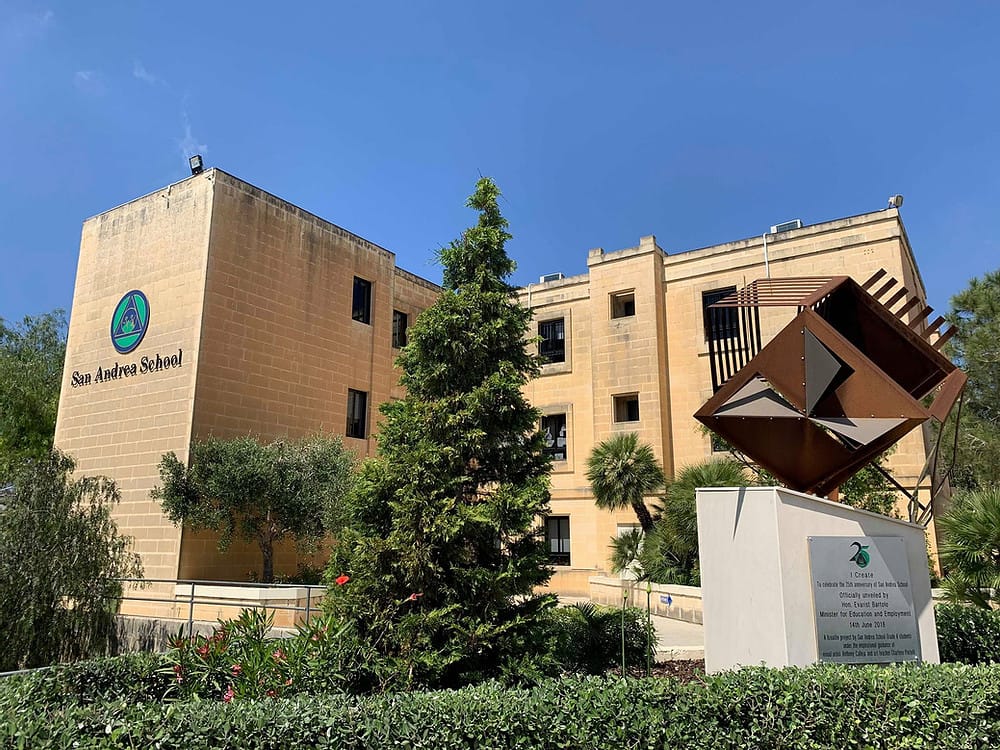
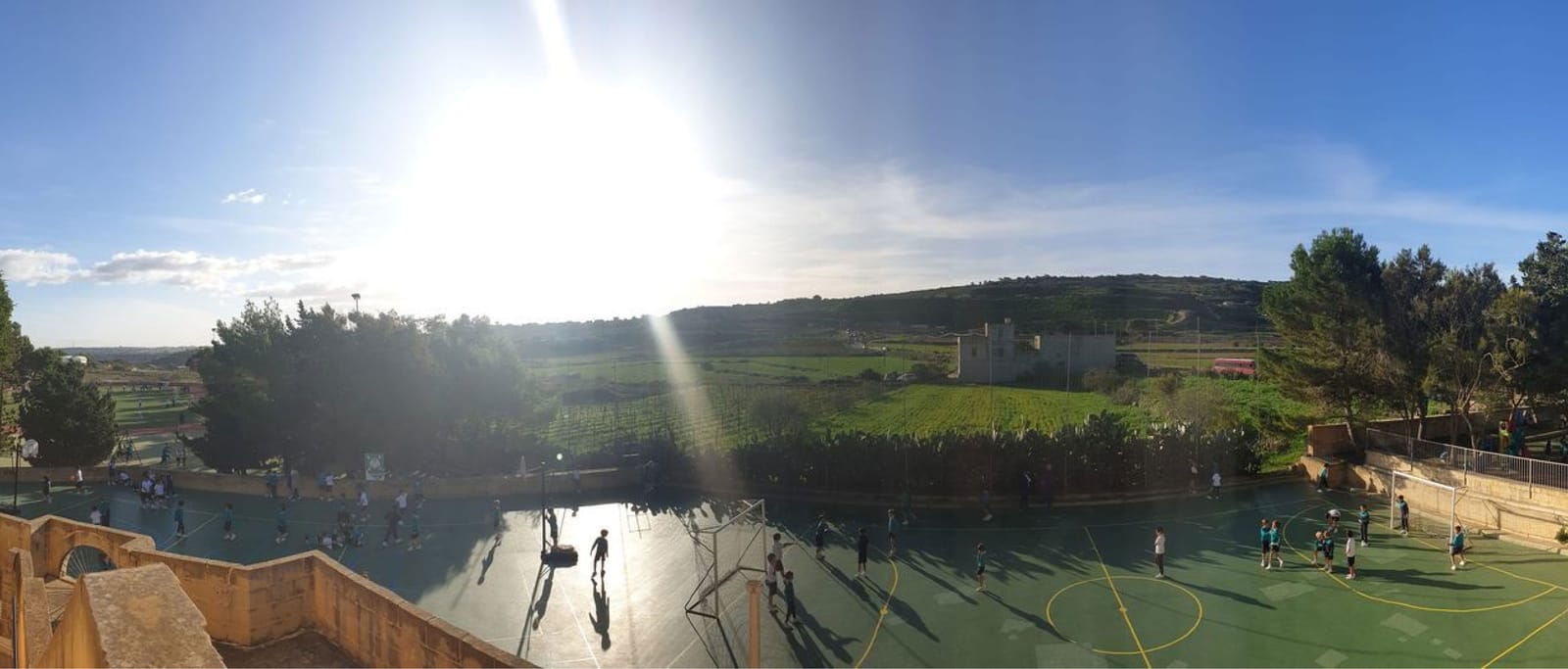
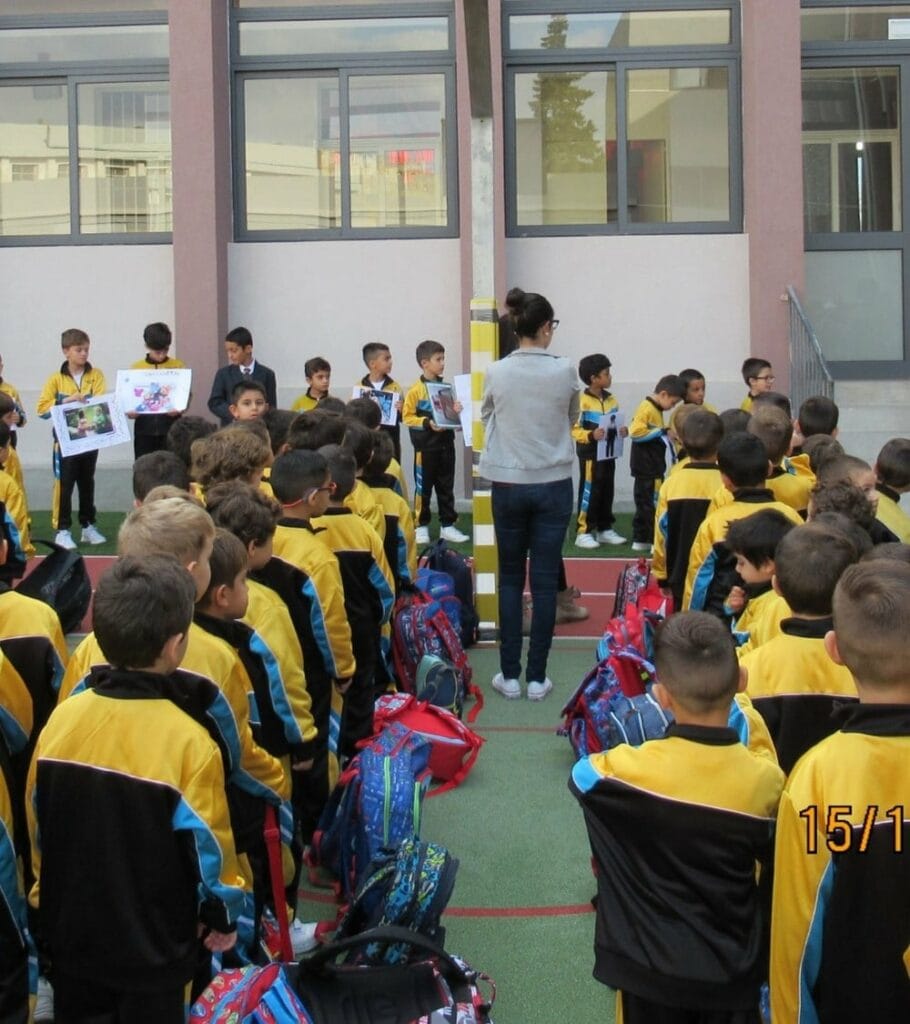
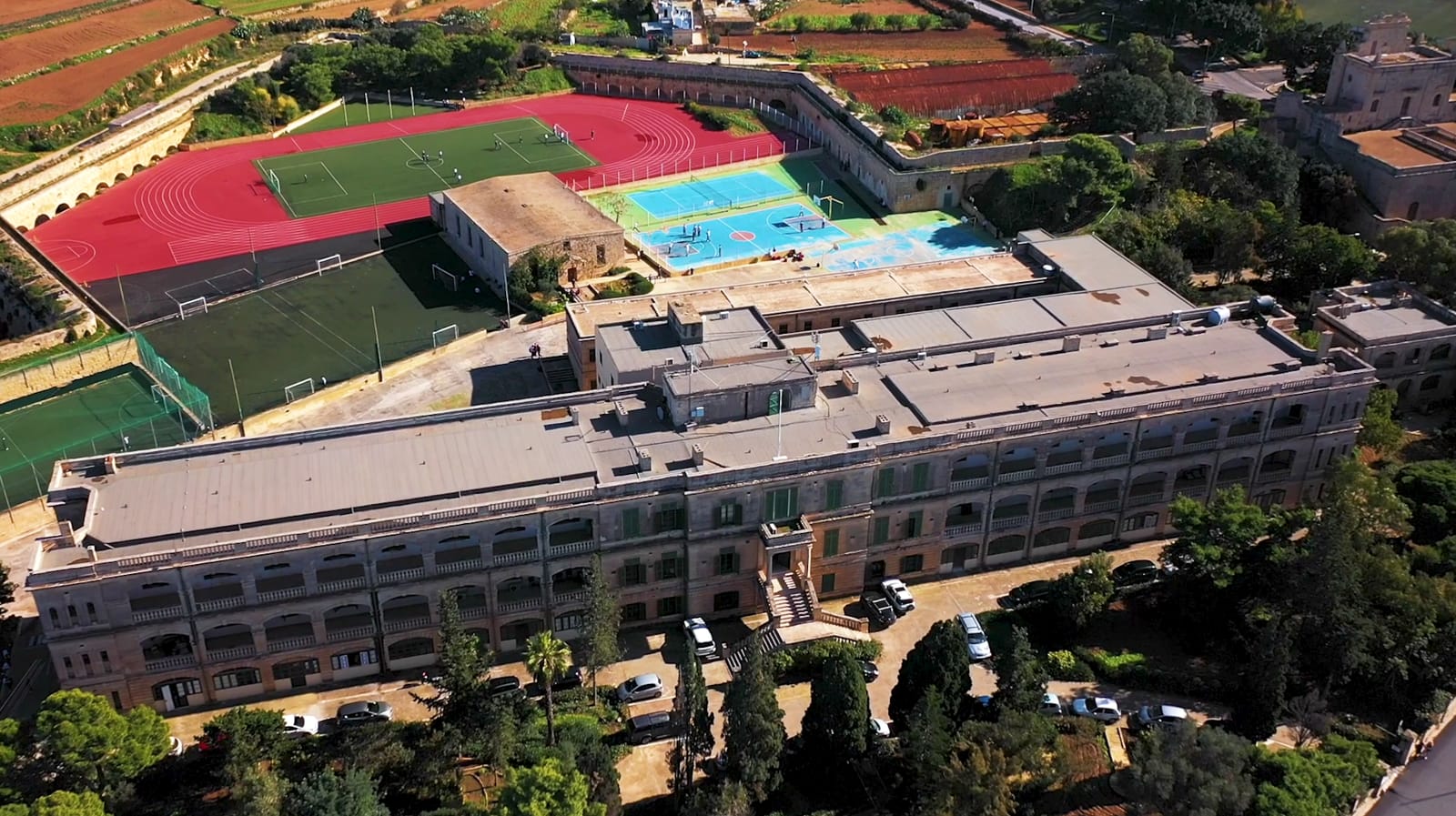
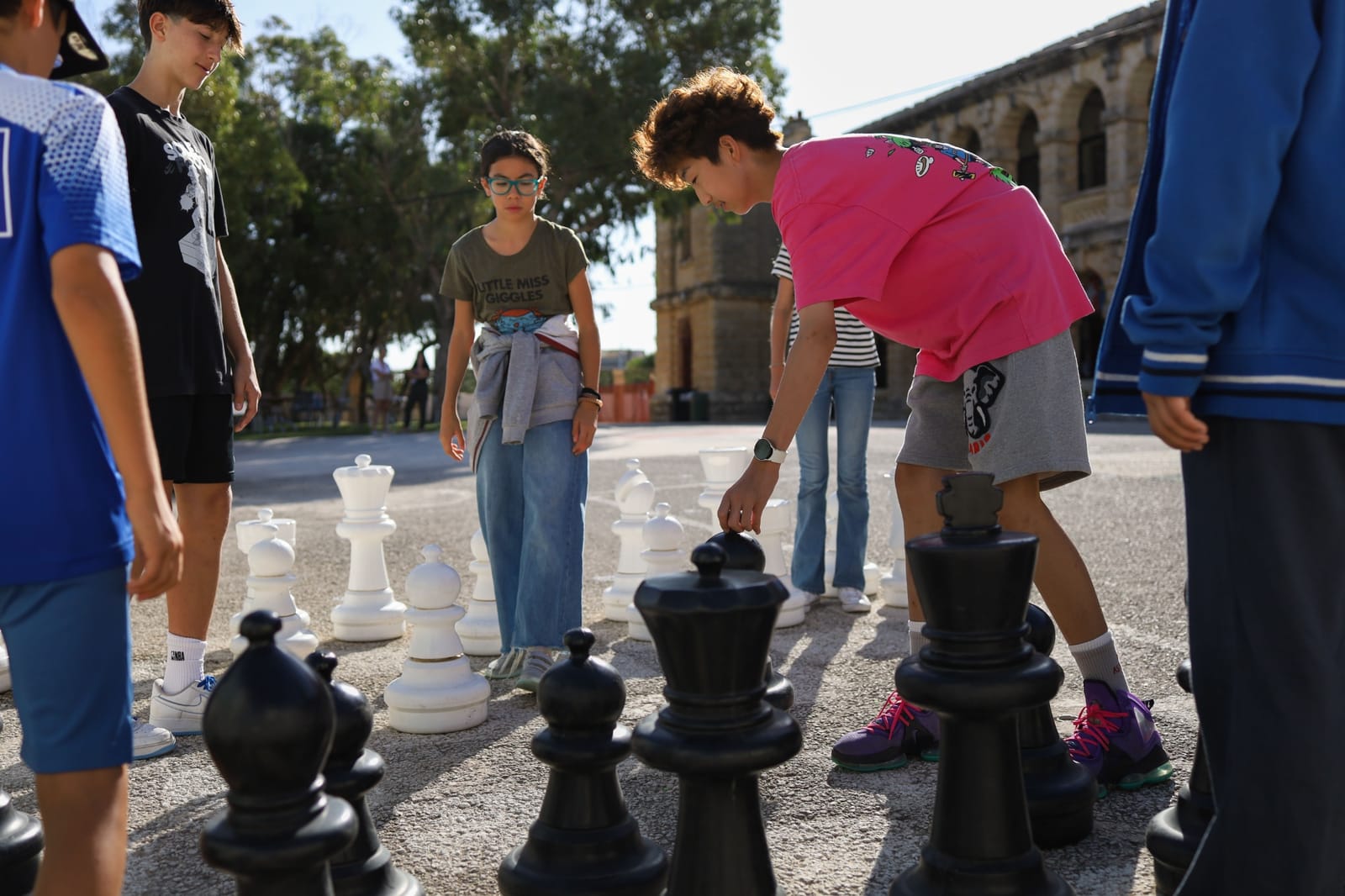
How schooling works in Malta for UK families
Education in Malta is compulsory from age 5 to 16, split into a primary cycle from 5 to 11 and a secondary cycle from 11 to 16. Schools fall into three sectors: state schools, Church schools (mostly Catholic) and independent schools. The Ministry for Education oversees the system, with the Directorate for Quality and Standards in Education responsible for regulation.
For families relocating from the UK, the independent sector is often the first place to look. Independent schools are set up by individuals or by non profit parents' foundations, and the private sector is generally English medium. Several schools offer internationally recognised curricula, and some follow programmes that will feel familiar to anyone used to British education. English and Maltese are both official languages, so English is widely spoken in and around school life.
What the international schools on this page offer
The schools listed here are spread across the main residential areas, including St Julian's, Sliema, Attard, Pietà, Gżira, Santa Venera, Naxxar, Msida, Birgu and St Paul's Bay. Between them they cover early years through to the end of secondary education, although no single school covers every age or curriculum, so it pays to shortlist by both location and qualification route.
Church schools receive state support and do not charge tuition, though they usually ask for donations and may have waiting lists. Independent schools charge fees, and the Maltese government grants tax rebates to parents whose children attend them. Our Malta education guide explains the wider system in more detail.
What to check before choosing a school
Start with the curriculum and exams. Ask which qualifications pupils sit at 16 and 18, whether these are recognised by UK universities, and how easily a child could move back into the UK system if your plans change. Ask how the school supports pupils joining mid year or from a different curriculum, and whether Maltese language lessons are compulsory or optional for international pupils.
Visit in person if you can. Look at class sizes, transport arrangements, uniform and lunch provision, and the after school and holiday clubs that working parents often rely on. Ask about fees in writing, including registration charges, deposits, buses and trips, and what is refundable if you leave early. Our Malta for families guide and cost of living guide help put school costs into the context of a household budget.
Practical points for relocating families
Malta's traffic can turn a short distance into a long school run, so many families choose a school first and then look for housing nearby. Popular schools can fill early, so contact admissions as soon as you know your moving date. Expect to provide passports, birth certificates, previous school reports and vaccination records, and possibly proof of residence once you have an address.
Children under five may be eligible for kindergarten, which in Malta starts from 2 years and 9 months and is free in state and Church settings. Our nurseries directory covers childcare for younger children, and the Malta relocation guide covers residence permits and the other steps of a move.
Contacting schools through this page
Use the listings above to compare locations, then contact each school's admissions team directly to ask about places, open days and assessment. Ask for the latest prospectus and fee schedule so you can compare like with like.
At what age is school compulsory in Malta?
From 5 to 16. Primary runs from 5 to 11 and secondary from 11 to 16.
Are lessons taught in English?
The private sector is generally English medium, and English is an official language of Malta. Ask each school about Maltese language requirements for international pupils.
Are international schools free?
No. Independent schools charge fees, although the government grants tax rebates to parents whose children attend them. Church schools do not charge tuition but often ask for donations.
Can my child follow a British style curriculum?
Some schools offer curricula and exams familiar to UK families. Ask each school exactly which qualifications it offers at 16 and 18.
When should we apply?
As early as possible, ideally as soon as you know your moving date, because popular schools can have waiting lists.
What documents will schools ask for?
Typically passports, birth certificates, previous school reports and vaccination records. Each school sets its own requirements, so check with admissions.
Sources
Eurydice: Malta education system overview, Malta Union of Teachers: Education system overview, Eurydice: Malta early childhood education. Information checked 27 October 2026.